
You’ll think you’re about to run through half the state — it’s only 49.5K, promise — and you’ll want to know exactly where to start, when to sign up, and where to plant your loudest cheer squad. I’ll walk you through the route turns, registration deadlines and fees, the best spectator spots that actually have bathrooms, and a few pacing tips so you don’t curse me at mile 18. Stick with me, and you’ll show up prepared, loud, and smug.
Race Weekend Overview
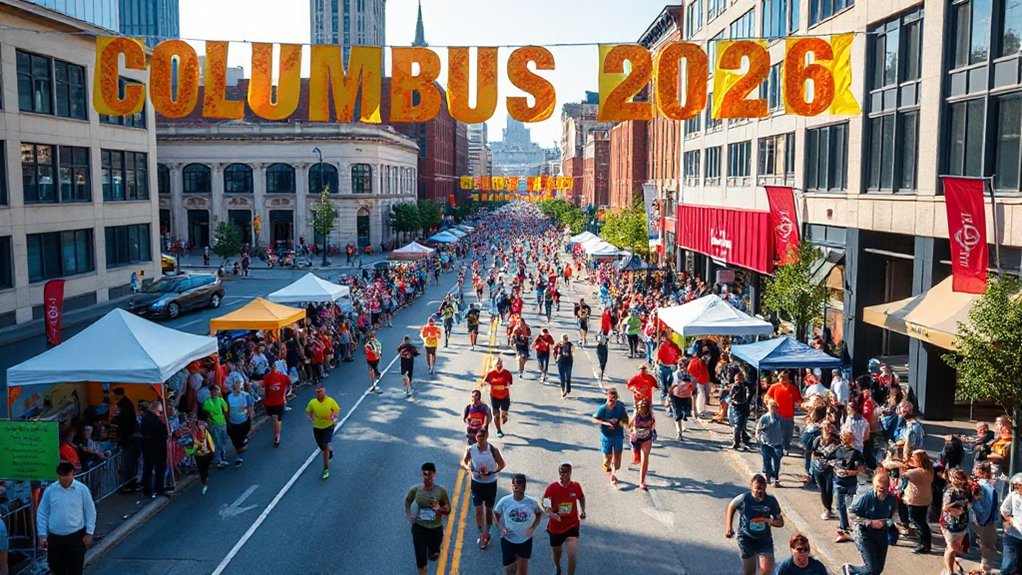
If you’ve been training for months, congratulations — and if you haven’t, congratulations too, because you’re about to experience one of the best race weekends there is.
You’ll feel the buzz, the smell of coffee, the bounce of sneakers on pavement, and that thrilling pre-race shiver. Expect a tight, friendly race day experience: early bib pickup, lively expo booths, bag checks, and last-minute questions shouted over music.
You’ll hear neighbors cheering, high school bands, and volunteers calling your name — true community involvement, not just PR. I’ll nudge you to hydrate, lace snug, and smile for that photographer who always finds your worst angle.
Race morning’s chaotic charm becomes your favorite story, told with pride and a sore, satisfied grin.
Course Map and Mile Splits
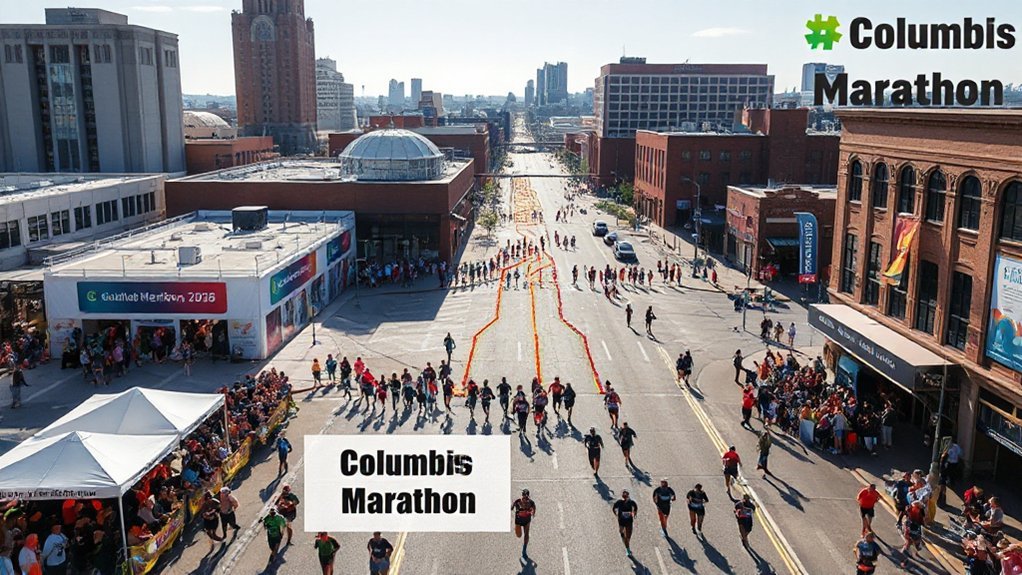
I’ll walk you through the course map so you know where you’ll be running, cheering, and pretending that last hill is flat.
You’ll get clear mile splits so you can pace smart—watch for the fast downhill around miles 7–9 and the steady climb through miles 18–20—plus a heads-up on the elevation and terrain, so your legs won’t surprise you.
Stick with me, bring good shoes and a mean playlist, and we’ll make a plan that actually fits your race-day senses and goals.
Overall Course Layout
Think of the course map like a long, friendly dare—49.5 kilometers of city, park, and high-fiving strangers, and I’m here to walk (or run) you through every turn.
You’ll trace riverfront paths, punch through historic neighborhoods, and crest gentle hills that make your legs protest like old theater curtains.
I point out course highlights so you know when to smile, when to dig, and when to accept a mysterious, possibly heroic aid station cookie.
I narrate runner experiences, the clang of bike bells, the scent of wet pavement, chorus of cheers, the sudden calm of tree-shaded stretches.
You’ll see the skyline sneak up, hear drums around a corner, and feel that tiny electric lift when the finish comes into view.
Key Mile Splits
Because splits are where the race gets personal, I break the course into miles you can actually feel — not abstract kilometers on a map, but the pinch in your calves at mile 6, the sudden breeze at mile 13, the drumline that jolts you at mile 20.
I’ll point out key mile strategies, call out where to tuck in, and where to let go a little. You get short fueling windows, visual cues, and turns that force rhythm changes.
My pacing guidelines tell you to hold back early, smooth the middle, then pick a comfortable tooth-and-nail at the end. Hear the crowd, notice your stride, sip when you mean it.
I’m honest, slightly bossy, and oddly cheering like your best race-day friend.
Elevation and Terrain
Three noticeable climbs sneak into the course, but none are mean enough to ruin your day — they just demand respect and a quick shift in your mental playlist.
I tell you where to brace, because those elevation changes show up like unexpected relatives — loud, unavoidable, but oddly motivating. You’ll feel pavement pitch underfoot, calves tighten, breath shorten, then ease.
- A hill that humbles you, then offers a sweet downhill grin.
- Quiet residential rollers, trees clapping, birds pretending to coach.
- A steady climb by the river, wind in your face, resolve in your legs.
- Final gentle rise before the finish, ego checked, pride boosted.
I point out terrain challenges, pace cues, and where to smile through the burn.
Registration, Fees and Qualification
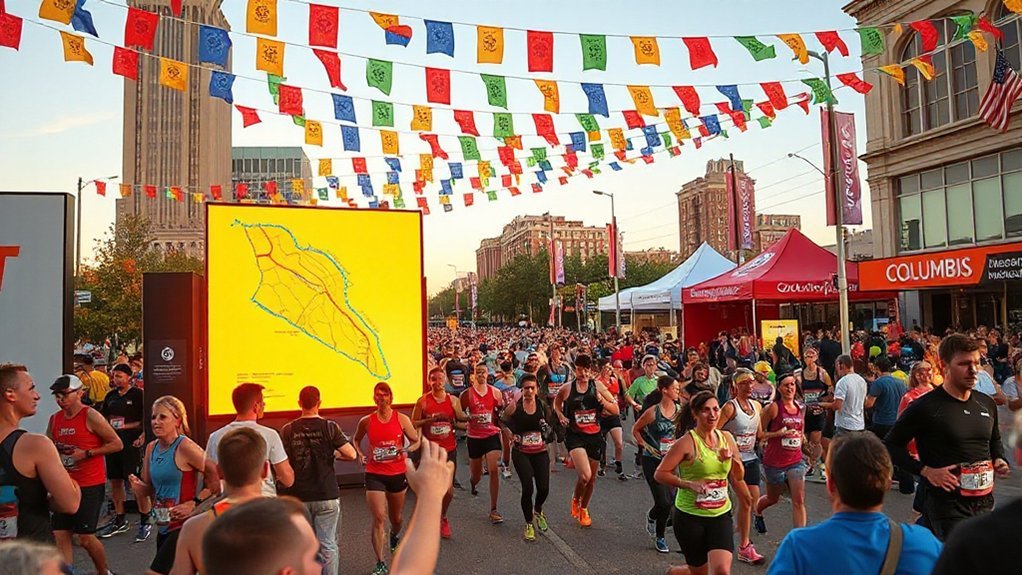
You’ll want to mark your calendar now, because registration windows and deadlines move fast and I’ll remind you when to jump in.
Expect clear entry fees, payment tiers, and the tiny print about refunds, plus the qualifying times or lottery rules that decide if you get a bib.
I’ll walk you through deadlines, costs, and qualification steps so you can plan, budget, and actually enjoy race day instead of sweating the fine print.
Registration Windows & Deadlines
When I signed up for my first marathon, I learned the hard way that registration windows are less like polite doors and more like revolving ones—so listen up and don’t dawdle.
You’ll want registration tips up front: set alerts, bookmark the official page, and treat deadline reminders like flight times — miss them and you’re stuck.
Early registration often saves money and stress, while waitlists move fast, so be ready to pounce.
Check open dates, cutoff times, and any corral or time qualifier deadlines. Keep your payment info handy, and don’t assume “later” will work.
- That jittery thrill when you hit submit, heart in your throat.
- The sinking dread if you miss the window.
- The relief of confirmation email ping.
- The smug glow of beating a deadline.
Entry Fees & Qualifying
Registration fees range from “yikes” to “worth it,” and you’ll want to know exactly where your money’s going before you click buy—so let’s unpack it.
I’ll walk you through the entry fee structure, step by step, like we’re scanning a menu at midnight. Early bird slots cost less, last-minute entries hit your wallet harder.
There’s a charity route, too, cheaper if you commit to fundraising, and VIP perks if you crave a plush race morning.
Qualifying times apply for elite or seeded starts, so check your race bib hopes against those numbers now, not later.
You’ll register online, upload proof if needed, and breathe a little when confirmation lands in your inbox — victory, tiny but sweet.
Training Tips and Pacing Strategies
If you’ve ever watched the race clock blink past mile 20 and felt your legs file a formal resignation, good — we’re already on the same page.
You’ll train smarter, not just harder; mix interval training with easy miles, and practice pacing strategies on routes that mimic Columbus hills. I’ll make you run strong, then laugh about it.
- You’ll know the thrill of a perfect split, that high-five with the pavement.
- You’ll taste salt and grit at mile 18, and still smile.
- You’ll hear your playlist kick in, and outrun doubt.
- You’ll cross the finish believing you earned every step, sweat, and curse.
Start long runs slow, add tempo days, rest hard, repeat, and trust the plan.
Aid Stations, Medical Support and Gear Drop
Because your legs will remember every aid station like an old friend (or a very loud, needy in-law), I’m going to walk you through where to grab water, fuel, and first aid so you can focus on running, not scavenging.
You’ll hit aid station locations about every 2 miles, orange cups and GUs waiting like tiny rescue islands. Toss a cup, sip, chew, keep moving.
Your gear drop is labeled, secure, and near the start/finish—pack a dry shirt, warm layers, and spare socks; you’ll thank me at mile 23 when your feet stage a rebellion.
The medical team readiness is visible: EMT tents, volunteers with radios, ice and blister kits. If you wobble, flag them, don’t be stoic. They want you across that line.
Best Spectator Points and Viewing Tips
Three prime spots will make you feel like the hometown hero everyone’s cheering for, even if you only brought cowbells and a questionable sense of rhythm.
You’ll pick corners where the course bends, where runners’ faces tell stories, and where bands crank the volume so you can’t miss a beat.
Use smart viewing strategies, scout ahead, and respect spectator etiquette: don’t block sidewalks, keep cheers loud but kind, and hand out high-fives, not unsolicited advice.
- Stand near mile markers for dramatic slow-motion high-fives, feel the thud of sneakers.
- Find a hilltop view, taste breathy effort, clap like you mean it.
- Pick a finish-line side street, smell victory and sweat.
- Station by a water stop, watch teamwork, offer a towel.
Travel, Parking and Race-Day Logistics
Once you’ve nailed where you want to cheer, let’s talk how you actually get there without melting into a puddle of nerves and coffee—I’ve learned the hard way that Columbus streets don’t politely rearrange themselves for marathon day.
I book travel accommodations early, pick a place near the course, and stash snacks — small victories. Check parking options before you leave; garages fill fast, avoid the “I thought I’d wing it” trap. Use race day transportation shuttles if you want zero fuss, they’re lifesavers, honest.
For spectator logistics, map meeting spots, charge phones, and bring layers; mornings get cold, afternoons get loud. I shout a quick “See you!” then vanish into the crowd, scanning for runners and caffeine like a pro.
Conclusion
You’ll cross the 49.5K finish line smelling city coffee and wet pavement, feeling oddly triumphant—because of course the one time you forgot headphones, the band at Mile 23 plays your song. I’ve walked those streets, cheered in the rain, and yes, tripped over a water bottle once—don’t ask. So plan your route, pack layers, grab a shuttle, and race smart. You’ll laugh, you’ll ache, and you’ll remember every step.