Blog

  • Columbus Sustainability Tour | Green Buildings & Parks
    Columbus Sustainability Tour | Green Buildings & Parks

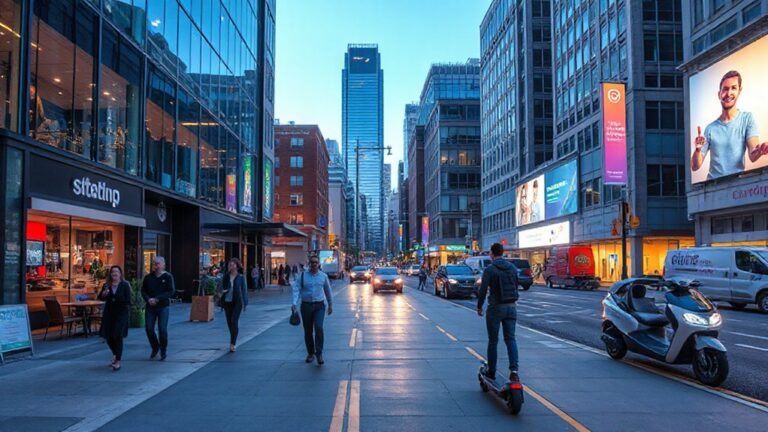
    Like a green thread sewing the city back together, I’ll walk you through Columbus’ smart mix of reclaimed brick, rain gardens, and rooftop lungs—so you can spot the clever bits that actually save energy and feel good to be near. You’ll hear the hiss of bioswales after a storm, taste coffee from a community garden stand, and shrug at my jokes while learning how old warehouses became net‑positive buildings—stick with me, because the best surprises are just around the next block.

    Why Columbus Is Becoming a Model for Sustainable Cities

    sustainable urban resilience strategies

    If you’re wondering why Columbus keeps popping up on “best of” lists, stick with me — I’ll walk you through the good parts.

    You’ll see bike lanes hum, rain gardens breathe, and skyline glass that actually cools the block. I point out pocket parks where kids splash, developers who listen, and city planners using urban resilience strategies to dodge storms and heat waves.

    You smell fresh-cut grass, hear tram brakes, taste coffee from a solar-roasted cart.

    I’ll admit I’m biased, but the city’s push for sustainable economic growth isn’t buzzword fluff — it’s jobs, retrofits, startups, and steady tax bases.

    Walk with me, poke a green roof, ask awkward questions, then grin when it all works.

    Historic Buildings Reimagined With Modern Efficiency

    historic buildings meet efficiency

    Though the brick still smells like history, you’ll notice it’s not the same old relic—I’ve seen old bank lobbies hum with whisper-quiet heat pumps, and you’ll feel the cool, steady breeze from triple-glazed windows where drafts used to sing;

    I walk into a century-old storefront, run my hand along the reclaimed oak counter, and marvel that beneath that varnish there’s new insulation, smart thermostats, and wiring that actually knows what to do.

    You watch crews practice adaptive reuse like artisans, carving modern life into old bones, and you clap when energy efficiency shows up as subtle comfort, not headache.

    I joke about being the building whisperer, but you can clearly hear history and progress talking—sometimes arguing, mostly flirting.

    You step in, stay awhile, and sigh.

    New Green Buildings Setting Energy and Health Standards

    energy efficient health focused buildings

    When a new building goes up now, you can practically feel it breathe differently—cleaner air, quieter systems, windows that don’t rattle when the wind gets nosy.

    You walk in and the first thing that hits you is steady temperature, not that weird office sauna. You notice filtered light, low-VOC finishes that don’t smell like a chemistry lab, and a hum of mechanicals doing their job without drama.

    These blocks are built for energy efficiency, smart controls shaving kilowatts, and insulation that actually keeps weather out.

    You get tangible health benefits—fewer headaches, better sleep, less allergy flare-ups.

    I’ll admit, I like buildings that behave. They save money, they feel nicer, and they make you want to stay awhile.

    Park Designs That Capture Stormwater and Improve Biodiversity

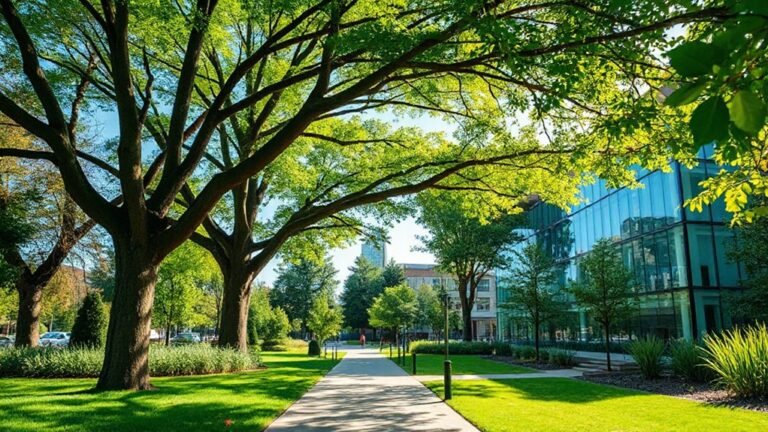
    You’re going to love how rain gardens and swales turn soggy spots into mini wetland theaters. They hum with frogs, drip with morning, and soak up runoff before it becomes a mess.

    Picture me pointing to a ribbon of native plant corridors, saying “follow this”—but seriously, these strips link habitats, feed pollinators, and smell like summer after a storm.

    It’s practical, it’s pretty, and yes, you’ll want to walk through one.

    Rain Gardens and Swales

    If we’re going to fix soggy sidewalks and boring green patches, let’s do it with style — and frogs.

    You’ll spot rain gardens and swales like miniature theaters for water, where runoff takes a bow, slows down, soaks in.

    Walk over permeable pavement nearby, hear the soft crunch, smell damp earth, notice urban forestry shading the scene, leaves tinkling.

    You plant layered soils, native shrubs, a few splashy perennials, then step back, sip coffee, watch pollinators audition.

    Swales sculpt channels that whisper instead of roar during storms. They trap grit, feed roots, create tiny wetlands that hum with life.

    I’ll admit, I’m a little proud — these features look tidy, work hard, and make parks feel alive.

    Native Plant Corridors

    Okay, so you liked the rain gardens — who wouldn’t — but let me show you something bolder: native plant corridors that stitch parks into living stormwater sponges.

    You’ll walk a path lined with tall grasses, sedges, and blazing asters, feel the damp earth underfoot, hear water sigh into roots.

    I point out how these strips act as ecological corridors, guiding pollinators and migrating critters, while slowing runoff.

    You’ll touch glossy leaves, smell damp loam, and laugh at my plant ID guesses.

    The biodiversity benefits are real: more birds, bees, and soil life, fewer floods.

    I’ll show the cross-section of soil, explain planting plugs, and send you off with a map and a wicked little seed packet.

    Community-Led Projects Transforming Neighborhood Spaces

    You’ll see neighbors elbow-deep in soil, swapping jokes while they pry up old turf and plant native perennials in volunteer-led park renovations.

    I’m telling you, the smell of fresh mulch and the clank of shovels make a better soundtrack than lawnmowers, especially when a resident-run community garden pops up with tomatoes, sunflowers, and a chalkboard calendar.

    Stick around, you’ll meet the folks who insisted on doing it themselves, trade a seedling, and leave feeling oddly proud and a little muddy.

    Volunteer-Led Park Renovations

    Grab a shovel and don’t worry about the dirt under your nails — that’s the good kind of proof. You’ll show up, meet neighbors, hand someone a rake, and suddenly you’re in a chorus of laughter and instruction.

    I’ll point out where a bench goes, you’ll choose paint, we’ll argue like amateur designers and agree on color three minutes later. This is community engagement in action, messy and immediate, not a meeting that could’ve been an email.

    You’ll learn basic park stewardship—pruning, mulching, securing play equipment—skills that stick like sap. You’ll smell fresh mulch, hear drill bits, taste celebratory pizza.

    The park becomes yours, not by ownership, but by elbow grease, stories, and the silly pride of a job well done.

    Resident-Run Community Gardens

    After we’ve shoveled, painted, and eaten suspiciously good volunteer pizza, the next neighborhood takeover happens in raised beds and tomato trellises—welcome to resident-run community gardens.

    You’ll bend over soil that smells like rain and coffee, plant basil next to stubborn mint, and hear neighbors trade seeds like contraband.

    I’ll point out the composting initiatives barrel, don’t touch that hot pile—well, until it cools.

    We talk schedules, water shifts, and who’s stealing the cucumbers, with laughter clipping the air.

    Urban agriculture here isn’t a trend, it’s your backyard turned classroom, market, and therapy bench.

    You’ll harvest, share, and learn to fix a leaky drip line, muddy hands proud, sweat salted with tomato juice.

    Come on, get your hands dirty.

    Public-Private Partnerships Driving Sustainable Development

    Because I’ve seen city hall and a startup pitchroom tug on the same blueprint, I can tell you public-private partnerships are where pragmatism meets ambition — sometimes awkwardly, often brilliantly.

    You walk a ribbon-cutting, smell fresh paint, hear a developer joke about permits, and you know change was negotiated, funded, and sold. These deals hinge on public engagement, clear goals, and collaborative funding that blends grants, loans, and sweat equity.

    You’ll see parks stitched to office lobbies, green roofs tucked above cafes, and volunteers planting under hard hats. Expect compromises, timelines that morph, and surprise wins.

    I’ll grin when the budget spreadsheet looks heroic, and you’ll laugh, because sustainable progress here smells like coffee, mulch, and municipal paperwork.

    Transportation and Mobility Improvements Around Green Sites

    When you walk up to a new pocket park and smell hot tar from a nearby bike lane, you know transportation didn’t just show up — it was invited.

    You’ll notice painted lanes, curb cuts, and benches that double as bike racks, and you’ll grin because the city planned for you, not cars.

    I point out bike sharing programs with a wink — grab a bright rental, pedal to the greens, leave it by the fountain.

    You hear tires, laughter, distant construction, a symphony of moving choices.

    Electric vehicle charging stations sit discreetly by the lot, humming low, ready for your road-trip detour.

    Walk, bike, charge, rest — that’s mobility done with taste, and yes, a little swagger.

    How Local Policies Support Sustainable Building Practices

    If city rules feel like paperwork, that’s because they’re — but they’re also the secret sauce that makes green buildings actually happen, and I’m here to show you how.

    You walk past a glassy retrofit, I point out how zoning regulations nudged that project toward mixed use, so people live next to shops, bikes clatter by, life smells like coffee.

    You’ll hear me name-check building codes that now demand better insulation, tighter windows, quieter boilers.

    I tease that sustainability incentives are the carrot, not the fairy godmother — rebates, tax breaks, faster permits — and they get developers to care.

    Energy efficiency becomes a visible virtue: LED glows, HVAC hums, thermostats obey.

    You nod, I grin, we both learn a city can legislate better living.

    Ways Residents Can Participate and Learn on the Tour

    Everyone can join in, no hard hats required — just bring curiosity and comfy shoes.

    You’ll wander sun-warm plazas, press your hand to cool brick, and hear a guide crack a joke about solar panels that sounds suspiciously like my attempts at small talk.

    Sign up for interactive workshops, roll up your sleeves, plant a seedling, measure shade with a laugh.

    Join guided discussions under trees, where someone sketches ideas on a napkin and you argue happily about bike lanes.

    You’ll touch reclaimed wood, sip iced tea, trade tips with neighbors, leave notes in a suggestion box.

    I promise you’ll learn more than a brochure offers, you’ll leave with a grin, sticky fingers, and plans you actually want to try.

    Practical Takeaways and Inspiration for Other Cities

    A few clear lessons leap off the Columbus tour, and you can borrow them tomorrow without a PhD in urban planning.

    I’ll keep it blunt: you don’t need fancy degrees, just curiosity, elbow grease, and a pocket notebook. You’ll taste rosemary from a rooftop garden, hear rain on recycled metal roofs, and see how sustainable architecture turns ordinary blocks into comfy, efficient places.

    1. Start small — retrofit a façade, add rain barrels, or plant a window herb box; immediate wins build momentum.
    2. Connect people — host pop-up markets, tours, and volunteer planting days to grow community and urban agriculture.
    3. Measure and share — track energy, compost yields, and stories; data plus local pride attracts funding and imitators.

    Conclusion

    You’ve seen Columbus’s green magic up close — old brick humming with new tech, rain gardens singing after a storm, neighbors high-fiving over a native-plant swap. I’ll admit, I felt like a Victorian explorer discovering solar panels, but you’ll leave knowing how to copy this. Walk the parks, poke the reclaimed beams, ask gardeners the secret soil recipe, then bring one idea home. Do one thing tomorrow, and watch your street breathe easier.

  • Columbus Innovation Tours | Tech & Startup District

    Columbus Innovation Tours | Tech & Startup District

    You’re walking down High Street, coffee steaming, headphones off because you’ll want to hear this — warehouses humming, whiteboards marked in neon, founders swapping lawyer jokes by the taco truck. I’ll point out the coworking nooks, the university labs where prototypes smell faintly of solder and optimism, and the meetup where someone’s pitching a moonshot with pizza grease on their sleeve. Stick around — I’ll show you where real momentum hides.

    The Rise of Columbus as a Tech Hub

    vibrant startup ecosystem thriving

    When I first wandered into Columbus, I thought “midwestern calm” — until a startup pinged my phone and a drone buzzed past a coffee shop window; suddenly the city felt like someone had flipped a neon sign that said, “We’re open for clever things.”

    You’ll notice it, too: rows of bike lanes humming with engineers late for stand-ups, renovated warehouses that smell faintly of roasted beans and solder, and campus-like research centers where ideas get prototyped before lunch.

    You’ll feel the tech ecosystem push and pull, the innovation culture that makes you grin. The startup landscape pulses with entrepreneurial spirit, digital transformation projects, funding opportunities, mentorship programs, networking events, creative collaboration, and deep community engagement.

    You’ll join in, reluctantly cool, and thrive.

    Neighborhoods Driving Startup Growth

    startup energy in neighborhoods

    Five neighborhoods, maybe more if you count the ones that change names every other Tuesday, quietly power Columbus’s startup engine.

    You stroll past murals, hear coffee grinders, and feel idea-fueled nervous energy. I point out spots where community engagement sparks late-night brainstorms, where you trade business cards and bad jokes, and where entrepreneurial mentorship happens over greasy burgers at 2 a.m.

    • Short walks to founders’ meetups, where someone always knows a mentor.
    • Pocket parks turned pop-up demo stages, bright lights, loud feedback.
    • Corner cafes with whiteboards, bad coffee, brilliant pivots.

    You’ll find grit, bright signs, and neighbors who’ll critique your pitch then cheer at your launch.

    Stick around, listen, and you’ll learn faster than you think.

    Coworking Spaces and Repurposed Warehouses

    gritty yet practical workspaces

    You’ll walk into a coworking loft and smell fresh coffee, hear keyboard clacks, and feel the buzz of flexible workstations that bend to your schedule.

    I’ll point out how old warehouses got a glow-up — exposed brick, sunlit skylights, and modular desks that turn freight rooms into brainstorming arenas.

    Trust me, you’ll want to pull up a chair, plug in, and see how adaptive conversions make startup life both gritty and gloriously practical.

    Flexible Work Environments

    If you’ve ever wandered into a sunlight-drenched loft and felt suddenly more productive than you did at your kitchen table, you’re not imagining it—I’ve been there too, coffee in hand, shoes under a communal table, grinning like a convert.

    You walk in, you breathe reclaimed wood and printer ink, and you know your day will bend differently. You’ll join quick standups, toggle remote collaboration tools, and carve hours around family, thanks to flexible schedules.

    I’ll nudge you: try the window seat, it’s a mood lifter. These spaces are social labs, not cubicle farms.

    • Hot desks for pop-up focus and quick meetings
    • Quiet pods for deep work and video calls
    • Community events that spark real connections

    Adaptive Warehouse Conversions

    When an old factory breathes again, it’s loud in the best way—high ceilings yawn, sunlight slants through dust motes, and you can almost hear the ghosts of conveyor belts cheering us on;

    I’ve wandered into converted warehouses that feel like secret clubs for people who love good lighting and bad puns. You step in, you breathe the concrete and coffee, you bump elbows with a coder and a ceramicist.

    These spaces champion adaptive reuse, they stitch new life into old bones, keep grit and character, save resources, and wink at waste.

    You’ll find flexible desks, nooks for calls, big communal tables, plants that actually thrive. It’s sustainable design with swagger, practical, cozy, and oddly inspiring — come see, you’ll stay.

    University Research Labs and Industry Partnerships

    Because Columbus’ university labs feel less like quiet halls and more like buzzing workshops, I love dragging you into them—the hum of freezers, the sharp tang of solder, the glow of monitor screens at 2 a.m.

    You’ll see grad students trade jokes, professors sketch crazy diagrams, and company reps shake hands without paperwork yet. Collaborative research isn’t just jargon here, it’s a late-night pact over pizza, and technology transfer means inventions actually escape notebooks and hit the street.

    • You’ll watch prototypes clank to life, smell coffee, cheer a tiny success.
    • You’ll sit in on pitchy meetings where industry folks ask blunt questions.
    • You’ll tour shared facilities, spot signage of startups born from lab benches.

    Come curious, leave wired.

    Venture Capital and Local Funding Ecosystem

    Step into the room where money meets madness, and you’ll see Columbus’s funding world in full color — bankers in hoodies, angels mid-gesture, VCs squinting at slide decks like they’re cryptic maps.

    You stroll past seed funding conversations, overhear angel investors swapping war stories, and feel the buzz of crowdfunding platforms pinging like slot machines.

    I point you toward venture networks and startup accelerators that grease the gears, where pitch competitions clang like bell tests, and funding strategies get sharp, sweaty, real.

    You learn investor relations, practice financial literacy, and nod when someone drops investment trends, because you want to speak their language.

    I joke, I guide, I prod—hands-on, honest—so you leave knowing who to call, and how to sell your spark.

    Talent Pipeline: Universities, Bootcamps, and Remote Workers

    You’re standing in a campus quad, I’m nursing bad coffee, and we’re watching students sprint between lab buildings and startup meetups—those university-industry pathways are the lifeblood of Columbus innovation.

    You’ll see bootcamp grads, headphones on, proving they can ship product fast, and you’ll hear recruiters say, “Send more,” because bootcamp-to-hire pipelines actually work.

    And don’t forget remote talent—hire someone in flip-flops across state lines, set up a clear onboarding ritual, and you’ll get fresh perspectives without the parking headache.

    University-Industry Pathways

    If we want a steady stream of sharp, job-ready talent, we can’t just hope they wander in — we build the pathways ourselves, brick by bootcamp and mortar by university partnership.

    You’ll feel the hum when curriculum alignment meets industry insights, when internship opportunities turn into hires, and when collaborative projects smell like coffee and late-night breakthroughs.

    You watch faculty engagement spark student entrepreneurship, and research commercialization slip from lab notebook to product demo.

    • Pair mentorship programs with innovation challenges to sharpen skill development.
    • Host industry panels that hand students real-world perspective, quick wins, and network maps.
    • Seed collaborative projects that place you in the room where ideas become startups, fast, messy, joyful.

    Bootcamp-To-Hire Pipelines

    When universities, bootcamps, and remote teams actually talk to one another, magic happens — and no, not the vague kind you see in brochures; the caffeinated, deadline-driven kind that smells like instant coffee and late-night Slack threads.

    I’ve watched you scout talent at demo days, haggle curriculum tweaks with instructors, and sneak into cohort wrap-ups like a proud, slightly awkward aunt. You’ll build bootcamp partnerships that shorten timelines, give candidates real projects, and reveal who can actually ship.

    I’ll push you to tighten hiring processes, standardize take-home tasks, and schedule fast, kind interviews that respect folks’ time.

    Picture busy rooms, code on whiteboards, and celebratory pizza after an offer — messy, human, and efficient, just how we like it.

    Remote Talent Integration

    Some people think remote hiring is just posting a job and waiting for the inbox to explode — wrong, and messy as a microwave ramen disaster.

    You need systems, scent of fresh coffee on video calls, and rituals that glue people together. I’ll walk you through real steps, no fluff, just grit and charm.

    • Build remote team building rituals: weekly standups, virtual coffee walks, and micro-celebrations that smell like victory.
    • Tap universities and bootcamps: host hack nights, skill demos, and paid internships that turn curiosity into code.
    • Optimize digital collaboration: shared whiteboards, async docs, clear feedback loops, and timezone-friendly sprints.

    You’ll recruit smarter, keep culture intact, and turn distance into an advantage, not an excuse.

    Success Stories: Homegrown Startups Scaling Up

    Because Columbus is quietly stubborn about doing things its own way, you’re about to meet founders who turned stubbornness into rocket fuel.

    I walk you through bright lofts and cluttered garages, smell of coffee and solder, and you see homegrown successes stacking startup milestones like trophies.

    You’ll hear a founder laugh, “We broke it twice, then sold it,” and you’ll feel the giddy thump of a first big contract.

    You touch prototype plastic, taste celebratory pizza, watch a pitch replay on a laptop, and sense the room shift when hire number ten joins.

    These stories aren’t glossy press releases, they’re messy wins, late-night code, and stubborn joy.

    You leave wanting to start something, or at least cheer loudly.

    City Support, Policy, and Infrastructure for Innovation

    If the city were a person, it’d be the friend who knows exactly where the best coffee is and also keeps a spare wrench in the glove box — pragmatic, a little stubborn, and annoyingly helpful.

    You stroll downtown, I point out city halls that push policy frameworks, you taste a roasted bean, I mention innovation incentives that nudge your prototype to market.

    You hear construction, feel new fiber hum beneath your feet; that’s infrastructure investment making things faster.

    We duck into a bright startup incubator, someone jokes, you meet mentors.

    Tech regulations get trimmed where they choke growth, and economic development offices high-five wins.

    It’s messy, human, effective — the city scaffolds your hustle, then watches you fly.

    • startup incubators
    • innovation incentives & policy frameworks
    • infrastructure investment, tech regulations, economic development

    How to Get Involved: Events, Meetups, and Resources

    While you’re sipping whatever’s keeping you awake, I’ll tell you where the action is — loud, low-lit meetups, sunlit demo days, and that one awkward networking picnic where everyone politely steals each other’s pens.

    I show up, you show up, we trade business cards like tiny flags. Check meetup calendars, community boards, and coworking spaces for weekly tech talks. You’ll hear live pitches, taste cold brew, and fumble small talk, it’s fine.

    Volunteer at demo days to meet founders up close, join Slack groups for real-time networking opportunities, RSVP to hackathons for hands-on skill growth.

    Want community involvement? Mentor, teach a workshop, or host a table. Get involved, bring snacks, ask awkward questions — people notice.

    Conclusion

    You’ve seen the warehouses buzzing, smelled fresh coffee in coworking nooks, heard lab printers whir—now step in. I’ll confess, I fell for Columbus hard; you might too. Walk a block, meet a founder, join a meetup, plant a seed. The city’s cheery grit flips failure into fuel, and funding’s closer than it seems. So go—network loud, build messy, laugh at setbacks—and watch this place turn your idea into motion.

  • R.L. Stine Columbus Tour | Goosebumps Author Hometown

    R.L. Stine Columbus Tour | Goosebumps Author Hometown

    You’ll stroll familiar Columbus blocks and suddenly notice little things—a crooked lamppost, the chalk-smudged stoop of a library, the creak in a playground swing—and think, yep, that’d make a great scare. I’ll point out the schools, bakeries, and arcades that fed Stine’s imagination, toss in a few local legends, and show you where to snap the best creepy-photo. Keep your shoes comfy; there’s more to see, and one stop gets weirder than the last.

    Early Life and Neighborhoods That Sparked a Love of Scares

    childhood fears ignite imagination

    When I walked the streets of Columbus as a kid, I didn’t think I was training to be the king of creepy— I just loved the rattle of leaves and the way porch lights made shadows bigger than they’d any right to be.

    You’ll picture us, sneakers squeaking on cracked sidewalks, daring each other toward neighborhood haunts, whispering like conspirators.

    I’d freeze at creaky fences, taste the cold on my lips, hear distant dog barks like drumbeats.

    Those childhood fears stuck around, they taught timing, suspense, how to use silence as a tool.

    You learn to watch windows, note the way wind moves curtains, imagine stories in ordinary corners.

    It’s where your imagination gets its first training wheels.

    Schools and Classrooms Where a Storyteller Was Born

    spooky ideas and discipline

    You’ll walk into the tiny elementary classroom where a kid named R.L. first whispered spooky ideas into a spiral notebook, smell of crayons and dust hitting you like a secret.

    I’ll point out the high school halls that fed his taste for dramatic twists, lockers clanging, late-night cafeteria confessions and a teacher who dared him to write darker.

    Then we’ll peek at the cramped college study nooks and coffee-stained desks where drafts turned into discipline, and you’ll see how those rooms shaped the storyteller he became.

    Elementary Classroom Roots

    The smell of chalk dust still sticks in my nose, and I can tell you exactly where R.L. sat, doodling monsters between math problems.

    You get pulled into tiny desks, into whispered tales traded at recess, into that seedbed of elementary storytelling where classroom creativity ruled.

    I remember the hum of fluorescent lights, the scratch of pencil on paper, the teacher’s soft nudge—”Tell me more.”

    You’d lean in, I would, we all would, swapping scary lines that made us laugh and squirm.

    I point out the crayon-strewn bulletin board, the corner where he staged plays, the coat hook used as a puppet stage.

    You can almost hear a future bestseller clearing his throat, practicing a gasp, then grinning, pleased with himself.

    High School Inspirations

    Somewhere between locker slams and lousy cafeteria pizza, R.L. traded crayons for a sharper kind of mischief, and I can still hear the echoing laughter down those linoleum halls.

    You walk past trophy cases, smell waxed floors and gum, and I point out the classroom where he hatched plots between algebra tests.

    High school friendships tightened like shoelaces, pulled him into prank clubs and late buses, and those faces became characters later on.

    You’d see him scribbling in margins, swapping scenes with friends during study hall, proud and nervous, a kid playing at doom on paper.

    That’s where his voice sharpened, where creative writing became a dare, loud and irresistible, begging to be published.

    College Writing Spaces

    If high school taught him how to laugh at fear, college taught him how to sketch it in ink and hand it to strangers with a straight face.

    You can almost see him bent over a battered desk in a cramped dorm, the lamp warm, coffee gone cold, notebook edges smeared with edits.

    I tell you, those creative writing seminars were tiny pressure cookers, where campus inspiration hit like a prank: sudden, loud, impossible to ignore.

    You hear classmates read, you flinch, you jot down a better punchline, you steal a mood.

    Walk the quad, smell wet leaves and old books, peek into classrooms with chalk ghosts on the board.

    He learned craft there, learned to make readers jump, then laugh.

    Local Bookstores and Libraries That Fostered Imagination

    imagination through local literature

    Because I spent more afternoons hiding behind mismatched paperbacks than doing anything remotely responsible, I still know which Columbus shelves smell like dust and possibility.

    You’ll find me nudging you toward cramped aisles where local authors signed spines with shaky pens, and libraries that echo with the thunk of returned books.

    You’ll hear librarians whisper plot spoilers like conspirators, see posters for literary events stapled to bulletin boards, feel paper edges nick your thumb, taste coffee from a stubborn corner café.

    I’ll joke that I learned to write by eavesdropping, while you duck under a low shelf and pull out a battered Goosebumps, laughing because fear should always come wrapped in nostalgia.

    We’ll leave with a stack and secret grins.

    Columbus Landmarks Seen Through a Goosebumps Lens

    When I look at Columbus through a Goosebumps lens, ordinary places seem to be holding their breath, waiting for a page to turn and something sticky to crawl out of a shadow.

    You stroll past historic facades and your imagination hikes its boots; brick walls whisper, fountains glint like polished teeth.

    You’ll point at clock towers and joke, “That’s where the creature waits,” and mean it, half-serious.

    Local parks, aged courthouses, and riverfront paths double as Goosebumps locations in your head, each one a source of spooky inspirations for scenes that tingle your scalp.

    I narrate aloud, you smirk, the city becomes stage and prop, familiar now haunted, inviting you to look closer, to expect a delightful chill.

    Quirky Eateries, Arcades, and Haunts That Inspired Scenes

    You’ll spot retro arcade gems with blinking lights and the sticky-sweet smell of soda that make you half expect a pixelated ghost to swipe your quarter.

    I’ll point out sinister diner spots too, booths soaked in neon and bad coffee where you’ll imagine a mystery unfolding between fries and milkshakes.

    Stick close, don’t gulp that soda too fast, and try not to laugh when I admit I once nearly screamed at a vending machine.

    Retro Arcade Gems

    Slip into the dim glow of neon and the sticky-sweet air of soda fountain nostalgia, and I’ll point out the places that fed R.L. You wander with me, quick-stepping through narrow aisles, the machines humming, tokens clinking in your palm.

    Retro arcade nostalgia hits hard here; CRT screens flicker, joystick dust grips your fingers, and you grin despite yourself. We play a haunted shooter, laugh at pixelated frights, then duck under string lights to a corner booth that smells like cinnamon and motor oil.

    I jab a button, lose spectacularly, and blame the cabinet—classic deflection, right? You take a sticky stool, sip a neon slush, the air tastes like yesterday’s summers.

    These arcades teach timing, fear, and how to love a good, cheesy scare.

    Sinister Diner Spots

    Why does a diner at midnight feel like it’s holding its breath? You slip inside, bell tinkling, neon buzzing, and I’ll bet you notice the vinyl booths first, cold under your hand.

    These creepy cafes hide smiles that twitch, servers who glide like they’ve rehearsed your favorite nightmare. You order coffee, it tastes of sugar and static, and you grin because that’s the point — deliciously off.

    Haunted diners here have winked at Stine’s plots for years, jukeboxes skipping like bad timing, pie cooling on a sill that shouldn’t exist.

    I say, lean in, listen: a laugh from the kitchen, a clatter of plates, a whisper of “You weren’t supposed to be here.” You stay. I don’t blame you.

    Walking Routes and Self-Guided Tour Map Suggestions

    Once we hit the pavement, I’ll guide you on routes that fit lazy afternoons and slightly-obsessed fans alike, because Columbus deserves a tour that’s equal parts cozy stroll and spooky scavenger hunt.

    You’ll want mapped loops: a short neighborhood jaunt with creaky porches and maple shade, a longer downtown ribbon that hits murals, bookstores, and Stine-adjacent corners.

    I sketch walking routes on a printable self guided tour map, with distances, snack stops, and a bench-count (very important).

    You’ll hear leaves, smell coffee, and step where he might’ve paused to tie a shoe — or plot a plot twist.

    Bring comfy shoes, a curious grin, and your phone for photos; I promise, you’ll leave with stories and slightly crooked selfie angles.

    Events, Museums, and Places to Celebrate Stine’s Legacy

    You’ve done the stroll, posed with the crooked porch, and munched your way through recommended snack stops — now let’s go where the story gets louder.

    I’ll point you to theaters hosting spooky readings, small museums that stash original drafts, and community centers where Stine fanclubs meet, waving bookmarks like tiny flags.

    You can handle guided panels, buy Goosebumps memorabilia in pop-up shops, and touch a typewritten page if they let you — careful, it might tickle.

    Sniff the old books, hear the creak of wooden chairs, laugh at a corny joke the moderator makes, then geek out with locals swapping favorite scares.

    I’ll steer you to calendars, ticket links, and the friendliest volunteers who know every creepy detail.

    Conclusion

    You’ll wander these streets like a kid with a flashlight, seeing ordinary signs turn sly—bench slats become clues, brick corners whisper plots. I’ll point out the spots that hooked Stine, you’ll squint, laugh, and take a photo that looks spooky on purpose. Bring comfy shoes, curiosity, and a taste for weirdly warm chills. By the last stop, Columbus will feel less like a map and more like a story waiting for your footnote.

  • Columbus Sports Tours | Hall of Fame & Stadiums

    Columbus Sports Tours | Hall of Fame & Stadiums

    Columbus unfolds like a playbook in your hands, every page a stadium, a legend, a grease-stained tailgate. You’ll walk turf that still hums, press your palm to glass cases holding helmets and history, and taste chili dogs that deserve applause; I’ll point out the shortcuts and the best photo angles, and you’ll get the inside stories locals bribe bartenders for. Stick around — I’ve saved the surprise about the Hall of Fame that’ll make you grin.

    History of Sports in Columbus

    columbus sports history journey

    Picture a dusty baseball glove and a freshly painted hockey stick leaning against a barstool — that’s Columbus to me, and I think you’ll like its story.

    You walk cobbled streets, hear cheers drifting from pub windows, smell hot pretzels and cut grass, and you’re pulled into a history where Columbus sports grew from pickup games to city lore.

    I point out murals, you squint, we trade a grin. Local legends get retold like campfire tales, coaches bark advice, kids mimic moves on cracked sidewalks.

    You touch a bronze plaque, feel weight. I’ll tease you about my terrible throw, then show you where rivalries sparked, where amateur dreams turned pro.

    It’s tactile, loud, honest — and it wants you in the stands.

    Pro Teams and Their Stadiums

    pro franchises vibrant atmosphere

    You can still smell the cut grass and hear the barroom chatter, but now we’re walking toward the arenas that make that noise official.

    You’ll see pro franchises up close, banners snapping in the breeze, and you’ll feel the stomp of thousands before the puck drops or the whistle blows.

    I point out stadium features as if I built them—no, I didn’t, but I can sell you on the best sightlines, the quirky seats, the concession legends.

    You’ll touch cold metal railings, taste fried dough, and laugh when I mock my own stadium navigation skills.

    We pause at plazas, trade quick facts, and I dare you not to gasp when the lights flip on.

    This is the city’s heartbeat, loud and proud.

    College Athletics and Campus Venues

    campus traditions and rivalries

    While the pro arenas roar, campus fields and gymnasiums hum with a different kind of electricity, and I love that quieter, clever pulse—walk with me under oak trees that smell like old bleachers and cut grass, and you’ll hear band horns warming up, the thump of a bouncing basketball, a coach’s clip-clack on the sidewalk.

    You’ll spot students in weathered jerseys, arguing scoreboard math like it’s philosophy. You’ll feel college rivalries, fierce but familiar, stitched into scarves and painted faces. Tailgates steam, bell towers toll, and campus traditions guide the choreography—chant, stomp, cheer.

    I lead you through narrow paths, past locker-room doors, into packed stands where history smells like hot pretzels, sweat, and pride, and yes, I cry at the end.

    Halls of Fame and Museums to Visit

    You’ll want to start with the Pro Football Hall, where you can hear helmets clack, read gritty game-day stories, and pretend you invented the Hail Mary.

    Then swing by the Baseball Heritage Center, smell the old leather mitts, trace names on plaques, and I’ll smugly remind you that nobody leaves without arguing over the greatest Ohio-born player.

    Trust me, you’ll leave with foam fingers, bragging rights, and a plan to come back.

    Pro Football Hall

    If you like the smell of fresh-cut grass and the low, metallic thud of a helmet meeting shoulder pad, then the Pro Football Hall will feel like a shrine built just for you—though I’ll admit I’m biased, I practically drool at old game film.

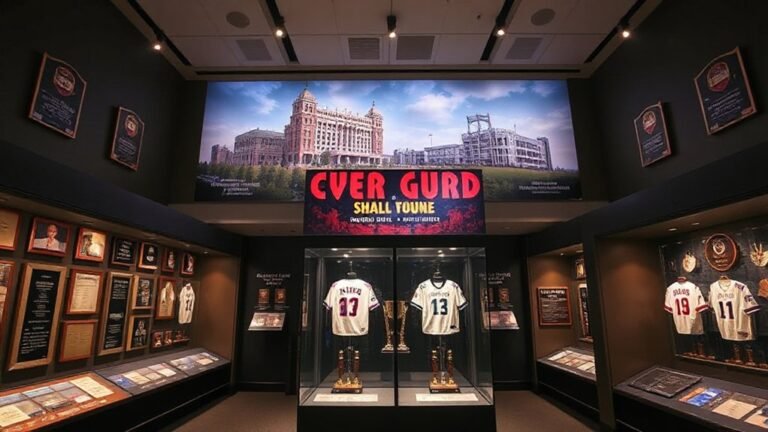
    You’ll walk through Pro Football history, run into Hall Legends and Iconic Players frozen in bronze, hear clips of Championship Moments echoing, and grin at interactive Fan Experiences that make you coach a two-minute drill; I mouthed the plays, embarrassed but thrilled.

    Exhibit lighting pops on Hall Artifacts, Legendary Coaches’ quotes stare you down, and Hall Inductions replay with goosebumps.

    Memorabilia Collections glitter—jerseys, cleats, playbooks—Historic Games live again.

    You’ll leave loud and happy.

    Baseball Heritage Center

    A handful of us think baseball is the original theater of summer, and the Baseball Heritage Center proves it—so come in smelling the lemony popcorn and fresh-cut leather, because I’m serious about the atmosphere.

    You wander exhibits where baseball legends loom in glass, their bats angled like retired sabers; I point out a rookie card, you gasp, then we both laugh at my obvious awe.

    Touch-screen timelines, fragrant leather mitt displays, and curated memorabilia collections make history tactile, and you can almost hear crowds swell.

    I’ll nudge you toward the interactive bullpen, where you throw a pitch and swear you’re Nolan, then admit you’re not.

    It’s cozy, smart, and unapologetically fun — don’t skip it.

    Iconic Games and Memorable Moments

    Lights flash, crowd roars, and I still get goosebumps thinking about that overtime goal at Nationwide — you’ll feel it too when we walk these spots.

    I point out seat stains, scrape marks, little chips in the railing, and you nod, remembering legendary rivalries and unforgettable plays.

    You lean in, I whisper scores, the air smells like popcorn and rain, and you laugh at my terrible puns.

    1. Where the buzzer beaters landed, feet skidding on confetti.
    2. That dugout bench where a player swore and then smiled.
    3. The corner of the pitch where an impossible save happened.
    4. The plaque marking a season nobody predicted.

    You touch the metal, grin, and time collapses.

    Behind-the-Scenes Tours and Access

    Because you’ve seen the seats, it’s time to see what’s under them — and yes, I’ll let you touch things you’re not supposed to.

    You duck through a low door, smell warm metal and fresh paint, and hear the distant echo of a crowd that isn’t there. I guide you past locker-room lockers, we linger where trophies glint, and you run fingers over a sideline chalk line—don’t worry, I’ve wiped it.

    These behind-the-scenes stops give exclusive access few get, insider experiences that flip the usual tour script. I point out hidden signage, crack a joke about my own clumsy mascot encounter, and hand you a program with a player’s scuffed cleat print.

    You leave grinning, a little smug, knowing secrets most fans don’t.

    Family-Friendly Activities and Kid-Focused Stops

    If you’ve got kids in tow, I’ll make sure they lead the charge—because honestly, their energy maps the whole tour. You’ll see smiles, sticky hands, and spontaneous races. I point out hands-on spots, you follow, we all win.

    1. Hit interactive exhibits at the Hall of Fame, where kids press buttons, try mini-announcer booths, and squeal at replays—pure family fun.
    2. Stop at sports themed parks, with turf to sprint on, scaled fields to practice, and shade for snack breaks.
    3. Join youth sports clinics, short drills, high-fives, coaches who actually cheer, and you pretending you still have hops.
    4. Photo ops, souvenir kiosks, and quiet corners for nap-time escapes—because parenting is tactical, and so is play.

    Food, Drink, and Tailgating Hotspots

    You’ll want to stake out the best tailgate spots early. I’ll admit I once showed up late and cooked brats on a parking block — rookie move.

    Walk with me through the neighborhoods where local eats and drinks hum like a well-tuned grill. You’ll smell smoked wings, pizza ovens, and cold drafts of craft lager before you see them.

    I’ll point out game-day lots with the best views, the hole-in-the-wall joints for postgame feasts, and the bar patios that feel like home.

    Best Tailgate Locations

    Where do the best tailgates hide in Columbus? I’ll tell you, I’ve chased tailgate traditions like a raccoon after fries, and you’ll want the spots I found. You smell charcoal, hear laughter, and taste bold food pairings that actually work.

    I point you to four can’t-miss zones:

    1. North Lot near the stadium — tight crowds, loud cheers, perfect grills.
    2. Riverfront park parking — breeze, skyline views, roomy setups.
    3. Eastside neighborhood blocks — porch music, neighborhood flair, cozy vibes.
    4. University plaza garages — students, creative setups, early energy.

    You’ll grab a cold drink, flip a burger, swap high-fives, and laugh at my burnt sausages. Trust me, bring good music and a better cooler.

    Local Eats & Drinks

    Alright, after the smoke and high-fives of the tailgate, my stomach drags me toward actual food — and Columbus doesn’t disappoint.

    You follow me down brick-lined streets, past neon, into spots where fries steam and burgers hiss, and you know the plan: hit local breweries first, sample a crisp pour, then chase it with game day cuisine that actually tastes like celebration.

    I point out a taco truck, you grin, we argue about mustard on a brat — friendly, loud, as you do.

    Bite into cheesy goodness, smell hop-grapefruit in the air, feel the buzz.

    You’ll find hole-in-the-wall gems, rooftop views, tailgate-friendly takeout.

    Trust me, bring napkins, an appetite, and comfy shoes.

    Transportation, Parking, and Accessibility Tips

    Maps, keys, and a little patience — that’s my recipe for getting around Columbus without turning a simple trip into an odyssey. I tell you what works: use public transport for downtown hops, call local taxis if you’re rusty on apps, and grab ride sharing when parking’s a nightmare.

    Watch event traffic; it’s loud and slow.

    1. Check parking options early — garages, lots, curb rules, and pricing.
    2. Ask about venue accessibility and accessibility features before you buy tickets.
    3. Use shuttle services for big events, they drop you near doors, no sweat.
    4. Pack patience, waterproof shoes, and a charged phone for maps and calls.

    I joke, I plan, you arrive—less stressed, more cheering.

    Planning Your Ultimate Columbus Sports Tour

    Curious how to squeeze every last cheer, bite, and brave parking gamble out of a Columbus sports weekend? I’ll walk you through it, step by step, like a friend who’s lost a mitten but found nachos.

    Start by picking events that match your energy—local sports nights for gritty vibes, big stadium games for fireworks—and stagger them so you don’t collapse between halves.

    Book tour guides early, they know secret entrances, best concessions, and the polite jaywalking routes.

    Pack comfortable shoes, a rain jacket, spare phone battery, and gum for that tense fourth quarter.

    Hit a pregame bar, taste the city, then stroll to the venue, soaking smells, chants, and hot pretzel steam.

    I promise, you’ll leave full of stories.

    Conclusion

    I’ll take you there, step by step, where stadium lights smell like hot pretzels and history hums under your feet. You’ll high-five strangers, gasp at a jersey in the Hall, and nibble smoky tailgate bliss between photo ops. I promise it’s easy to love Columbus this way—part classroom, part front-row thrill. Pack comfy shoes, an appetite, and a sense of wonder. Come on, let’s make some loud, sticky, unforgettable memories.

  • Columbus Music Tours | Jazz & Rock History Trail

    Columbus Music Tours | Jazz & Rock History Trail

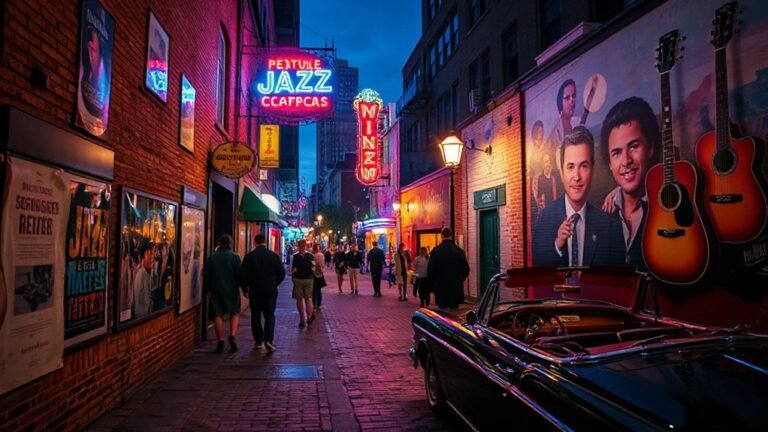
    Let’s just say Columbus isn’t exactly shy about its music—you’ll find it loud, proud, and a little crooked in the best way. I’ll walk you through smoky jazz rooms where vinyl whispers, neon‑fringed rock joints that still smell like cheap beer and electric strings, and quiet plaques that tell big stories; you’ll get directions, secret tips, and a few embarrassing local legends I can’t fully defend. Stick around—there’s a set list with your name on it.

    A Brief History of Columbus’ Music Scene

    columbus music scene evolution

    If you think Columbus was always a sleepy college town, think again — I’ll drag you through the noise. You’ll hear how Columbus influences seeped into jukeboxes and basements, raw and persistent, like coffee on a late-night gig.

    I’ll point out dim clubs, alleyway murals, and a bar where a trumpet once refused to quit. You’ll taste stale beer, feel a bassline vibrate your ribs, laugh at my clumsy dance moves, and nod when I say the city threw its weight behind music festivals that pulled strangers together.

    I’ll quote a cranky promoter, mimic a drummer’s grin, and steer you toward stories that show how this town keeps reinventing rhythm, stubborn and proud.

    Must-Visit Jazz Landmarks

    experience vibrant jazz culture

    Wondering where to start when Columbus whispers “jazz”? You walk into cavernous rooms, smell coffee and cymbal oil, and hear brass bloom.

    I’ll point you to spots that matter: a snug listening room where vinyl crackles, the riverside park hosting jazz festivals that make your feet tap involuntarily, and alley-side dives with sticky floors and big hearts.

    You’ll trade nods with locals, order a dark roast, lean in as a saxophone bends a note, and grin when the drummer winks—yes, you’ll feel included.

    Don’t skip the restored theaters that host late-night sets, or the legendary clubs with faded posters and stories in the rafters.

    Bring curiosity, bring cash, and follow the rhythm.

    Iconic Rock Venues and Their Stories

    rock venue memories linger

    How do you tell a city’s rock story without sounding like a tour guide who drank too much coffee?

    You walk the rooms, you touch the scuffed stage, you breathe the dust that remembers applause. I’ll point out the neon marquees, the peeling posters, the venue architecture that shapes the sound—vaulted ceilings, low wooden beams, tin tiles that rattle when the bass hits.

    You’ll hear about iconic performances that still hum in the rafters, I’ll mime a drum fill and you’ll laugh. We duck into back hallways, smell beer and sawdust, feel sticky floors under your shoes.

    I toss a witty aside, admit I once sobbed at a ballad here, then we move on, enthusiastic for the next doorway that promises a story.

    Notable Musicians and Local Legends

    You’re about to meet the hometown jazz innovators who made basements smell like sax and the rock scene pioneers who turned dive bars into battlefields of riffs.

    I’ll point out the spots where you can still hear those trumpet ghosts and where a guitar lick changed a neighborhood, and I’ll admit I cry a little when a familiar chord hits.

    Follow me, listen close, and I’ll tell you who to thank — and who to blame — for Columbus’s sound.

    Hometown Jazz Innovators

    Think of a smoky club at midnight—I’m talking low light, wooden bar, trumpet gleaming like a secret—and you’ll get why Columbus bred its own brand of jazz mischief.

    You meet players who teach you jazz improvisation techniques by ear, with patient smiles, nudges, tiny lessons between songs.

    I wander into basements where local jam sessions roar, and you learn names quick: a saxophonist who hums like syrup, a drummer who counts in whispers, a pianist who slaps a chord and makes everybody laugh.

    You listen, you copy, you fail, then you nail it, sweaty and grinning.

    I talk to elders, they roll their eyes, but they tip their hats.

    You feel history in the floorboards, rhythm in the breath, community in every call-and-response.

    Rock Scene Pioneers

    If you wander past industrial storefronts and a deli that still sells cassette tapes, you’ll find where Columbus rock got loud, messy, and proud.

    You’ll see posters tacked to brick, feel bass thump underfoot, and meet musicians who taught you how to shout with a grin.

    I point out a drummer who mixed punk with blues, a guitarist who pushed rock evolution by stealing riffs from soul, and a singer who joked through heartbreak.

    You’ll hear about garage nights, sweat, cheap beer, and a label that encouraged genre fusion, because rules bored them.

    I’ll nudge you toward venues where legends started small, tell a quick, embarrassing road-story, then hand you a flyer—go, get noisy.

    Self-Guided Route and Map Tips

    You’ll want a game plan before you wander, so I sketch routes that hit the loudest landmarks and the cozy backstreets where the real stories hide.

    Pull up a map on your phone, I’ll point out the best navigation apps and printable maps, and we’ll decide if you’re walking, biking, or cheating with a quick rideshare.

    Trust me, you’ll smell coffee, hear distant guitar chords, and still make it back before dinner—route basics and the right tools make it fun, not frantic.

    Route Planning Basics

    Because I want you to actually enjoy the walk, let’s make the map work for you instead of the other way around. You’ll pick a loop that fits your energy, tweak route customization options to add a coffee stop or skip a noisy street, and still hit the big markers.

    Walk it once in your head, then on the pavement — listen for distant sax, smell frying onions, watch sunlight slice brick. Timing considerations matter: plan sunlight, café hours, and when crowds thin, so your photos aren’t full of strangers.

    I’ll be blunt, you won’t see everything, and that’s fine. Pack water, charge your phone, wear comfy shoes. Adjust on the fly, laugh at my terrible jokes, and keep moving — the city rewards the curious.

    Map & Navigation Tools

    1 map app and a pair of sensible shoes will get you most of the way, but I’m here to make sure the map actually behaves. You’ll open navigation apps, pick a route, and wonder why your coffee spot wasn’t marked — been there.

    I’ll show quick fixes: download offline tiles, star key stops, and set walking versus driving modes so you don’t end up on a freeway ramp.

    Use interactive maps I build, they layer photos, audio clips, and short history notes; tap a pin, hear a trumpet, smell imaginary smoke from a club.

    Walk, pause, take a photo, ask me a question aloud — I’ll answer in your head with directions. Trust the map, but trust your feet more.

    Where to Eat, Drink, and Catch Live Shows

    Where should we start—at a smoky dive where the bass rattles your teeth, or a sunlit patio where the coffee smells like happiness? I say both.

    You’ll find live music in cramped bars and airy courtyards, where horns cut the air and guitars sweat. Eat early at a taqueria, grab late-night pizza, or pick a farm-to-table spot that knows your name; dining options are everywhere, and I’ll steer you right.

    Sip a cocktail that stings a little, taste a stout that hugs your tongue, then drift to the stage; it’s all within walking distance if you plan like me.

    I promise honest recs, quick detours, and the occasional bad joke—your soundtrack awaits, and dinner’s on you.

    Conclusion

    You’ll walk these streets like a vinyl record—warm, a little scratched, and full of grooves that tell stories. I once got lost chasing a neon sign and stumbled into a midnight jazz set, the saxophone smelling like rain on hot pavement; that’s Columbus. Follow the map, grab a coffee, duck into a doorway, and let the music surprise you. Trust me, you’ll leave humming, grinning, and already planning your next loop.

  • Columbus Black History Tours | African American Heritage

    Columbus Black History Tours | African American Heritage

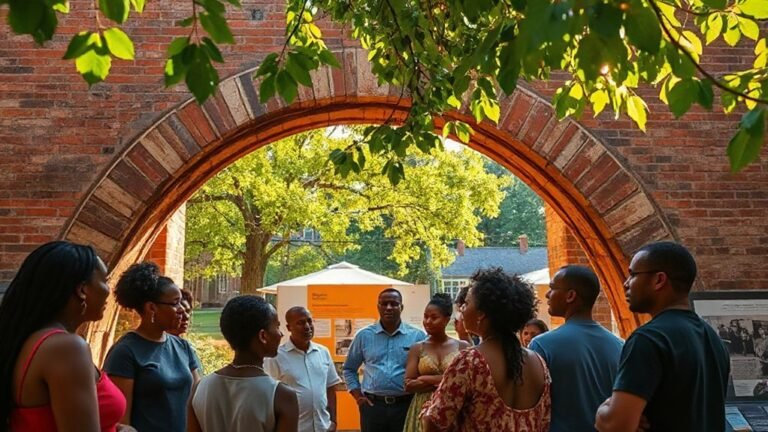
    You’ll stroll Bronzeville blocks where jazz still seems to breathe from stoops, taste church potluck smells that double as history lessons, and hear stories that make plaques feel alive — I’ll point out the buildings, you’ll ask the good questions, we’ll both win. I won’t sugarcoat the hard parts, I’ll celebrate the wins, and we’ll laugh at my terrible jokes while standing where local heroes once stood. Want to keep going?

    The Origins of Black Communities in Columbus

    layers of community resilience

    When you walk the streets of Columbus with me, you’ll notice layers—old bricks, newer glass, and the stories tucked between them—and those layers start with people who carved neighborhoods out of hope and hard work.

    You’ll smell frying oil at a corner diner, hear church choirs drifting down alleys, and learn how migration patterns redirected lives, from rural South to city blocks hungry for work.

    I point out row houses, then tell you about early settlements where families pooled resources, opened shops, ran barbershops, and fought for schools.

    You’ll laugh at my bad jokes, roll your eyes at my dramatics, but you’ll feel the grit under your shoes, see faded signs, and understand how community grew, stubborn and proud.

    Historic Neighborhoods and Their Stories

    bronzeville s vibrant cultural legacy

    You’ll wander Bronzeville’s streets with me, smell the bakery and hear jazz bleeding from a stoop, and we’ll talk about how that pulse shaped Columbus culture.

    Then we’ll step into Poindexter Village, poke at its layered history, and I’ll point out the playground where kids once plotted futures bigger than the rowhouses.

    Stick with me, you’ll laugh at my clumsy metaphors, learn names the guidebooks skim, and leave wanting to walk these blocks again.

    Bronzeville’s Cultural Legacy

    Because I grew up chasing sunbeams down 11th Avenue, I still hear the snap of jazz horn licks before I see the church steeples, and that sound tells me exactly where Bronzeville begins.

    You walk those sidewalks and feel Bronzeville Heritage under your soles, a rhythm stitched into brick and stoop chatter, and you can’t help but tap along.

    You smell fried pies, hear gospel call-and-response, catch poets trading lines on corners—Cultural Contributions humming like a neon sign.

    I point out murals, you squint, we grin; I brag about a sax player I knew, you roll your eyes, we laugh.

    Come summer, porch curtains flap, kids race, and history isn’t dusty, it’s knocking, insisting you join the dance.

    Poindexter Village History

    If you let me, I’ll walk you down the cracked sidewalk where Poindexter Village once stood, and I’ll point out the exact spot where kid-made chalk moons faded into gray brick.

    You’ll smell fresh-cut grass and frying onions from a nearby kitchen, hear a laugh that sounds like home, and I’ll tell you how Poindexter Village was Ohio’s first public housing for Black families, built to shelter dignity and hustle.

    You’ll touch a warped fence post, wonder at the stories nailed there, and I’ll confess I want to collect every one.

    Community Development changed this place, for better and worse, through plans, protests, and promises.

    You’ll leave wanting to keep listening, and to keep asking.

    Churches, Schools, and Institutions That Shaped a People

    community faith education resilience

    When I walk into an old Black church in Columbus, the air smells like hot coffee and lemon-scented polish, and I can almost hear hymns tucked between the rafters — which is good, because I hum terribly.

    You follow me down pews worn smooth, you feel the wooden groove, you hear a choir memory.

    These buildings show churches’ influence, they held weddings, wakes, bake sales, strategy meetings.

    Schools sit nearby, brick-faced, chalk dust still in the air, where teachers pushed books and dreams — educational advancements weren’t abstract, they were hands-on, stubborn, joyful.

    You meet librarians who whisper secrets, principals who crack jokes and expect more, pastors who read announcements like sermons.

    Institutions braided community, taught civics, offered shelter and Saturday soup.

    You leave fuller, annoyed at my humming, grateful anyway.

    Civil Rights Landmarks and Local Activism

    You’ll walk past sidewalks where chants once shook the air, feel the grit under your shoes, and hear echoes of crowd voices that changed laws.

    I’ll point out the cornerstones of protest and name the local leaders who risked everything, tossing in a witty aside when the history gets heavy.

    Stick with me, you’ll see plaques and meeting halls, meet the people on the ground through stories that hit like a hand on a church pew.

    Historic Protest Sites

    Though these streets look calm now, I’ll bet your palms go a little clammy the moment you see the chalked curbs and faded protest posters nailed to telephone poles; I felt that tug the first time I stood where crowds once roared.

    You walk these blocks, hear distant chants in your head, smell coffee from a corner diner, feel the asphalt’s heat under your shoes.

    I point out where signs rose, where songs swelled, where police lines met human chains. Those historic protests shaped sidewalks and stories, civil rights struggles carved them into memory.

    You’ll touch a worn brick, read a scrawled slogan, and imagine the roar. I joke, I get solemn, you listen — history hits close, honest, and pulsing.

    Community Activism Leaders

    Names stick to these buildings like chewing gum on shoe soles — stubborn, a little messy, impossible to ignore — and I want you to meet them.

    You’ll touch cool stone, hear a distant sermon echo, and feel the pulse of community leaders who stood here, cuffed sleeves, voice steady.

    I’ll point out plaques, you’ll squint, we’ll trade jokes to keep the mood light. They taught organizing basics, mapped activism strategies on napkins, held kitchen-table meetings that turned into marches.

    You’re walking where they strategized, where coffee steamed, fists rose, and newspapers trembled.

    I narrate, you listen, we imagine their shoes, their laughs, their tired smiles.

    It’s gritty, hopeful, and yes, surprisingly human.

    Prominent Black Leaders, Artists, and Entrepreneurs

    Think of this city as a stage—brick sidewalks, buzzing cafés, the river doing its slow clap—and I’m inviting you to meet the people who made Columbus sing.

    You’ll spot murals, hear brass in alleyways, taste recipes passed down like secrets. I point out prominent artists who painted truth on tired walls, sculptors who turned scrap into sermons, musicians who taught the streets to swing.

    Then I nudge you toward influential entrepreneurs, folks who opened corner shops, barber chairs, and futures—one stubborn dream at a time.

    You’ll overhear a barber’s hot scissor joke, feel ceramic dust on your fingers in a studio, see ledger books folded like love letters.

    I keep it short, honest, a little proud, and totally yours to explore.

    Sites of Cultural Preservation and Memory

    After you’ve met the artists and shopkeepers who keep Columbus humming, I’ll lead you to the places that hold their stories steady—museums, storefronts turned archives, backyard memorials with string lights and weathered photos.

    You’ll touch displays, read handwritten labels, smell old wood and lemon oil, hear recorded voices that make you stop. These cultural landmarks teach you where people lived, loved, fought, and laughed.

    I’ll point out small plaques, you’ll snap photos, we’ll nod at each other like co-conspirators. Memory preservation isn’t dusty reverence, it’s living practice, and you’ll see volunteers sorting boxes, kids tracing names, elders correcting dates with a grin.

    Expect honesty, texture, and a few delightful surprises—like a recipe card that tastes like home, even on your tongue.

    Walking and Bus Tours: What to Expect

    When I lead a walking or bus tour, you’ll quickly notice I like to keep things moving — literally and verbally — so come comfy, bring water, and don’t be surprised if I occasionally sprint to catch a segue.

    You’ll get clear tour logistics up front: meeting spot, duration, restroom breaks, and where the bus idles (yes, I check the AC).

    Expect sensory detail — brick dust underfoot, church bell echoes, the smell of frying chicken from a corner diner — tied to cultural insights that connect places to people.

    I’ll tell stories, point, pause for photos, and heckle myself when I fumble a date.

    You’ll laugh, learn, and leave with routes in your head and questions in your pocket.

    Supporting Preservation and Community Initiatives

    We’ve covered walking, bus idles, and my sprinting ego — now let’s turn that energy toward keeping these places standing.

    You’ll want to give time, money, and voice, because community engagement isn’t optional, it’s oxygen.

    I’ll show you quick, tangible ways to help, no guilt trips, just good action.

    You can hear the creak of old porches, smell fried chicken at a corner cookout, feel history under your shoes — that’s your cue.

    • Volunteer at site cleanups, bring gloves, bring snacks.
    • Donate to local trusts focused on historical preservation.
    • Attend city meetings, speak up for funding.
    • Support Black-owned businesses on tour routes.
    • Share stories online, tag archives, add photos.

    Do it proudly, do it often.

    Conclusion

    You’ll walk, you’ll listen, you’ll remember — I’ll point, I’ll joke, I’ll nudge you toward the next stop. You’ll smell church hymns and fried food, hear brass and footsteps, touch brick and plaque; I’ll tell bold names, quiet stories, messy truths. You’ll leave with new maps in your head and warm weight in your chest. Go home, tell someone, come back — we’ll be here, history live and stubborn as ever.

  • Columbus Ghost Tours | Haunted History Experiences

    Columbus Ghost Tours | Haunted History Experiences

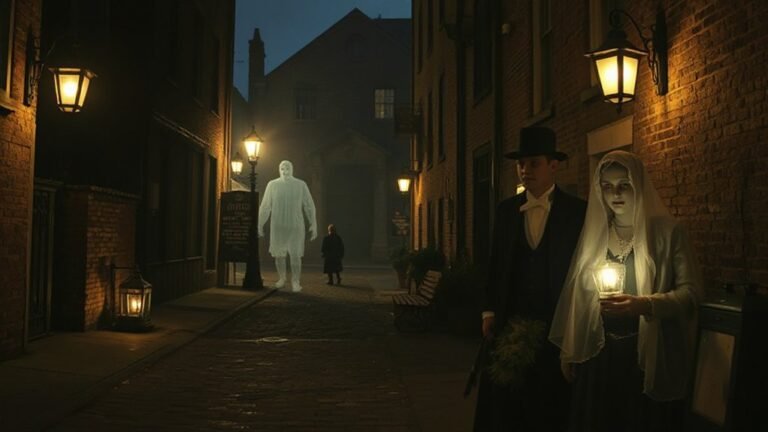
    You’ll walk the cobbles, you’ll hear the whispers, you’ll feel the chill — and I’ll be there to point out exactly which shadow isn’t just a streetlamp. You’ve probably passed German Village and shrugged, thinking old brick can’t surprise you; it can, especially when the guide tells you to listen, breathe, and imagine someone else’s footsteps behind you. Stick around, I’ll show you where history turns sharp and why some doors never stayed closed.

    Origins of Columbus’s Haunting Legends

    haunting folklore and secrets

    You’re standing on the brick sidewalk where High Street bends, the air smelling faintly of damp wood and fryer oil, and I’m about to tell you how Columbus got so good at keeping secrets.

    You lean in, I point to a lamppost scarred by time, and we trade a grin like conspirators. Early settlers brought stories, migrants added twists, and the city’s alleys swallowed details until myths felt like memories.

    That’s where haunting folklore grew, stitched from tavern whispers, factory shifts, and courthouse gossip. You’ll hear about ghostly encounters at odd hours, footsteps when no one’s there, a lullaby carrying down a stairwell.

    I shrug, say “probably the wind,” then watch you decide whether to believe me.

    Most Haunted Neighborhoods to Explore

    haunted stories in neighborhoods

    Three neighborhoods stand out if you want stories that chill and stick.

    You’ll wander Victorian streets in German Village, feet crunching on brick, air smelling like rain and old coal — I’ll nudge you toward narrow alleys where whispered tales cluster.

    Short North crackles with art and neon, but after midnight it offers haunted hotspots, a hum under the music, a shadow that won’t quit.

    In Victorian Franklinton you’ll hear trains, then silence, then a small, unmistakable knock at an empty door — eerie encounters that make you grin and groan at once.

    I guide you, I point, I admit I’m thrilled and a little scared, but you keep walking, because curiosity tastes better than fear.

    Ready?

    Notable Haunted Buildings and Landmarks

    haunted landmarks and experiences

    You’re about to stroll past the Ohio Statehouse, where people swear they’ve felt cold fingers and seen shadowy figures slip behind marble columns, and I’ll admit I get goosebumps just thinking about it.

    Then we’ll wander the Scioto Mile at night, hear the river whispering against the banks, and you’ll catch flashes of light that locals call specters — I’ll try not to be the one who squeals.

    Stick close, I won’t let you wander into a haunted courthouse or a creepy riverside bench alone, promise (mostly).

    Ohio Statehouse Apparitions

    If you stroll up the broad steps of the Ohio Statehouse at dusk, you’ll feel the stone cool under your palm and hear the city settle around that squat, dignified dome—then something odd might tug at the back of your neck.

    You’ve read Ohio Statehouse sightings, you’ve laughed at Historical ghost stories, but here it’s different, quieter, like a plot twist in a history book.

    I’ll point out the drafty hallways, the portraits that seem to track you, the cold spot by the Senate chamber, and you’ll jolt, promise you didn’t imagine it.

    I tease, you scoff, then we both jump when a distant footfall echoes.

    You’ll leave with goosebumps, a grin, and a story to tell.

    Scioto Mile Specters

    When evening pulls the river into shadow and the downtown lights start to glitter like a row of watchful eyes, I stroll the Scioto Mile and promise I’m not making this up.

    You’ll feel the air change, cool and a little salty from the river, and you might swear someone brushed past you on the riverwalk.

    I point out benches where joggers once froze mid-stride, lamp posts that blink oddly, and a bandstand that hums when no band plays.

    You’ll hear snippets of conversation, then nothing—classic ghostly encounters, right? I joke, you roll your eyes, then shiver.

    We stop at the arches, I shine my flashlight, you hold your breath.

    It’s spooky, it’s beautiful, and you’ll want to come back.

    Ghost Tour Routes and What to Expect

    You’ll pick from a few route options — historic downtown loops, riverfront walks, or darker alleyway treks — and I’ll tell you which ones give the best chills (and the best photo ops).

    Tours usually move at a steady, strolling pace, we stop for stories and to let your nerves settle, and you’ll hear creaks, footsteps, and my terrible ghost jokes.

    I’ll note safety tips and accessibility details up front, so you know if the route’s stroller-friendly, has stairs, or requires sturdy shoes.

    Route Options Overview

    Three solid route choices will get you through Columbus’s shadowy corners, and I’ll tell you which one fits your bravado and which will leave you clutching your coat.

    You’ll pick from route variations: brisk downtown jaunt, mellow historic stroll, or the “after-dark” alley crawl.

    I’ll point out tour highlights for each, the good and the creepy. The downtown route bangs with city lights, car horns, stale pretzels, quick shocks.

    The historic stroll lets you smell brick and hear soft footfalls, I narrate ghost tales and you lean in.

    The alley crawl smells of rain, secrets, and iron; I joke, you jump.

    You’ll know pace, props, and what to bring, so you won’t be surprised.

    Typical Tour Pacing

    Okay, so you’ve picked a route and I’m about to tell you how the night will actually feel.

    You’ll get a quick meet-and-greet, a briefing on tour duration, then we’ll step off—slow enough to catch details, brisk enough to stay spooky.

    Expect a mix of walking and standing, pausing at doorways, alleys, lantern-lit corners, I’ll point out creaky windows, you’ll hear distant traffic, maybe a footstep that isn’t yours.

    My pacing expectations are straightforward: we’ll linger where the story’s good, move on when it isn’t, and build suspense like a drumroll.

    Bring comfy shoes, an open mind, a jacket for cool nights—don’t worry, I’ll crack jokes to cut the tension, then drop the chill right back in.

    Safety and Accessibility

    While I like to flirt with the eerie, I take safety seriously—so we’ll keep ghosts on the menu and hazards off it.

    I’ll lead, you’ll follow, we’ll stick to well-lit sidewalks, paved paths, and city blocks that tolerate accents from rattling chains. Expect clear briefings before we move, a headcount, and reminders to watch steps — tour group safety isn’t a slogan, it’s a routine.

    If you need a slower pace, ramps, or quieter routes, tell me up front; we’ll arrange accessibility options and pick the smoothest way through cobblestone flirtations.

    Bring comfy shoes, a charged phone, and a coat that snaps tight. I joke to ease tension, but I’m strict about looking out for you.

    Stories Behind Columbus’s Most Famous Apparitions

    Ghosts are basically the city’s stubborn memories, and I’m here to drag a few out into the light—no gloves, just curiosity and coffee.

    I walk you down brick alleys, you shiver, I point at a lamplight, we both hear a sigh. Tales of haunted encounters kick off with a bartender who swears his jukebox plays for nobody; spectral sightings follow at an old theater where shoes tap on empty boards.

    • You listen to whispers behind the museum’s pillars, smell old perfume, feel the cold.
    • You watch a pale figure vanish behind a stained-glass window, your camera blinks dead.
    • You hear a child giggle in an abandoned nursery, then silence.
    • You stand, laugh nervously, and want more.

    How Guides Research and Verify Haunting Claims

    You’ve heard the tap on empty floorboards and smelled the perfume behind the museum pillars, so now let me show you how I actually check if those stories hold water — or ectoplasm.

    I comb archives, compare police reports, interview descendants, and run a little ghost hunting with cameras and EMF meters, because I like proof and gadgets.

    I cross-check folklore research notes, local newspapers, and old maps, then I stand in the room, breathe the dust, and listen.

    If locals contradict a tale, I chase their version. If timelines don’t match, I flag it.

    I tell you what feels true, what’s embellished, and what’s pure storytelling, with a shrug, a grin, and solid sources to back it up.

    Tips for First-Time Ghost Tour Participants

    Ever wondered what it’s like to stand under a streetlamp as a guide lowers their voice and the cobblestones seem to remember footsteps? You’ll feel the air tighten, your breath fog a little, and your phone vibrate in your pocket like it’s nervous, too.

    I tell you this so you’ll know how to show up: curious, respectful, and ready to laugh when the guide cracks a joke to cut the tension.

    • Bring comfy shoes, a charged phone, and a flashlight for safe ghost hunting moments.
    • Wear layers, you’ll get chilly standing still, and you won’t look foolish.
    • Follow paranormal etiquette, don’t touch props or wander off, really.
    • Ask questions, but let the storyteller finish, they’ve got timing.

    Special Events: Paranormal Nights and Themed Walks

    If you liked the slow-burn shivers from a regular walk, get ready for the amplified version—Paranormal Nights crank up the atmosphere, and themed walks give the stories a costume change.

    You’ll feel the night press close, see breath fog lantern light, hear a guide whisper, “This one’s different.” I lead you through tight alleys, pause at doorways, set up basic paranormal investigations with handheld meters, let you ask questions, and yes, you can touch the cold brick.

    Themed storytelling nights drape eras over facts—Victorian sorrow, Roaring-decade mischief—so you can picture silk gloves and dirty jazz.

    You’ll laugh, jump, maybe roll your eyes, but leave buzzing, already planning your next eerie RSVP.

    Responsible Storytelling and Respecting Historic Sites

    When I tell a ghost story, I also tell you where to stand. I guide you close enough to feel the cool brick, far enough to respect a fragile window, and I call out facts, not fables. You’ll hear creaks, smell damp earth, see lamplight catch on old paint.

    I insist on ethical storytelling, so names aren’t cheap props, and I teach care for historical preservation, so you don’t touch what time has earned.

    • Keep voices low, cameras off, and curiosity loud.
    • Follow rope lines, don’t climb railings, and ask before touching displays.
    • Listen when I give context, I’ll add color, not invention.
    • Ask questions after the tour, not during solemn moments.

    You’ll leave wiser, lighter, and a better guest.

    Conclusion

    You’ll love this—no, really. I know you’re thinking, “Ghost tours are cheesy,” but walk with me down those brick lanes, feel the chill near the Ohio Statehouse, hear a distant whisper by the Scioto, and you’ll change your tune. You’ll laugh, jump, learn, and maybe shiver; that’s the point. Trust the guides, respect the places, bring a jacket, and leave with a story you’ll tell louder than you expected.

  • Columbus Street Art Tours | Murals & Public Art

    Columbus Street Art Tours | Murals & Public Art

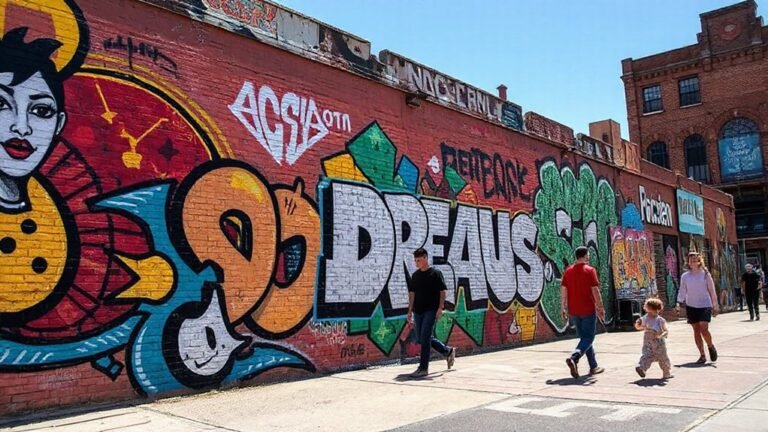
    You’re walking down a sun-warmed alley, paint fumes sweet and metallic, and I’m nudging you toward a brick wall that looks like it swallowed a rainbow—don’t worry, it’s supposed to be loud. You’ll meet artists who talk shop and tell jokes, hear the neighborhood gossip between spray cans, and snap a photo that actually feels like you. Stick around—there’s a mural with a secret story I haven’t told you yet.

    Discovering Columbus’s Mural Neighborhoods

    vibrant mural neighborhood culture

    When you turn the corner from a quiet side street into one of Columbus’s mural neighborhoods, you’ll feel it before you see it — color hits you like a cold splash of paint, loud and impossible to ignore.

    You step closer, nose catching the smell of fresh paint and frying food, and you grin because the walls talk.

    I point out patterns that trace mural history, little motifs that nod to past movements, and you notice how the blocks hum with neighborhood culture, proud and loud.

    We duck into alleys, scan rooftops, trade jokes about my terrible sense of direction, and you snap photos.

    This place teaches you to read streets like a book, vibrant chapters on brick.

    Meet the Artists and Their Stories

    meet the mural artists

    Because the murals don’t just appear, they arrive with people — and I want you to meet them.

    You’ll hear me introduce artists in quick, honest bits: who they are, what smells like paint on their breath, and why they work at dawn.

    I’ll pull you into artist interviews, ask the blunt questions, and let awkward laughs warm the answers.

    Expect mural inspirations revealed in scraps of sketchbook, street noise, and old family stories.

    I narrate scenes—hands mixing color, boots on ladders, a neighbor offering coffee—then hand the mic to creators.

    You’ll get their triumphs, their mistakes, the place each piece came from.

    It’s personal, funny, a little messy, and utterly human.

    Guided Walking and Biking Tour Options

    artistic city exploration options

    You’ve met the painters, heard their laughs and seen paint under their nails, so now let’s get you out on the street with them—on foot or two wheels.

    You’ll choose guided walking routes that let you smell fresh paint, hear an artist’s joke, and get closer than a selfie stick ever could.

    Prefer speed? Rent a bike and glide between murals, save time, feel wind in your face, and use eco friendly transportation that makes the city grin.

    If you’re indie, pick self guided tours with map apps, cheeky audio, and detours only you’ll brag about.

    I’ll point out alley waypieces, you’ll ask awkward questions, we’ll laugh, learn, and leave with paint specks on our shoes — proof we showed up.

    Photo Hotspots and Instagram-Worthy Murals

    Where do you point your phone first — the mural that looks like it’s mid-conversation, or the alley that glows like someone spilled a neon sundae? You’ll duck, angle, squint, and strike a pose.

    I’ll call out angles, you’ll chase light. These photo opportunities aren’t random; they’re chosen for mural aesthetics, color pops, and background stories you can almost hear. Use morning side-light for texture, dusk for saturated tones, and a low lens to make that painted figure loom heroically.

    I’ll suggest playful props, quick backdrops, and the one corner where reflections double the scene. Expect candid prompts, absurd poses, and the occasional imperfect shot that somehow becomes your favorite.

    Snap fast, laugh loud, and keep scrolling — there’s more around the next block.

    Community Projects and How to Get Involved

    If you wander into a community mural day, you’ll see paint-streaked hands, folding chairs, and a pretty steady soundtrack of laughter and terrible radio hits — and I want you in that mess.

    You show up, I hand you a brush, we swap stories, and suddenly you’re part of community involvement that actually changes a block.

    Sign up for local initiatives through neighborhood groups, art councils, or simple Facebook pages. Wear clothes you won’t mind ruining, bring water, and ask questions — everyone loves a curious helper.

    You’ll mix color, learn techniques, and hear the backstory from artists who keep it real.

    It’s hands-on, messy, addictive, and yes, you’ll leave smelling like paint and smiling.

    Conclusion

    You’ll love this, trust me. Over 200 murals color Columbus, so you’ll never run out of photo ops or storylines. Walk, bike, chat with artists, feel paint dust on your fingers, hear a brush squeak—you’re part of it. Join a guided route or roam solo, stumble into a community paint day, snap a killer shot, laugh at your own pose. I’ll meet you under the biggest wall; bring sneakers and curiosity.

  • Columbus Architecture Tours | Historic Buildings Guide

    Columbus Architecture Tours | Historic Buildings Guide

    You’ll walk past hulking brick mills and ornately carved Victorians, feel the roughness of stone and the cool shadow of recessed porches, and I’ll point out the sly details most tourists miss—like a ghost sign tucked behind ivy or a rooftop gargoyle making a face at you. You’ll hear traffic fade, laugh at my terrible architect jokes, and suddenly know why this city matters; stick around, I’ll show you the secret alley that changes everything.

    Why Columbus’s Architecture Matters

    cultural significance through architecture

    Think of Columbus’s skyline like a playlist that keeps surprising you — one moment it’s classical, the next it’s experimental, and you’re tapping your foot.

    You walk close, you smell coffee and wet stone, you trace cornices with your eyes, and you get why this city matters.

    I’ll say it plainly: its cultural significance isn’t abstract, it’s lived — in murals, in churches, in repurposed factories that hum with new purpose.

    You notice architectural diversity in the mix, from sleek glass to brick that remembers steam engines.

    You’ll laugh at my bad puns, I’ll point out a hidden frieze, we’ll pause under a porch and imagine the builders’ hands.

    You leave smarter, a little louder, and oddly proud.

    Must-See 19th-Century Landmarks

    victorian elegance and history

    While you wander these streets, you’ll feel the 19th century reach out like a gloved hand — cool brick under your palm, the faint smell of coal and lamp oil lingering in alleys that are now coffee shops.

    You’ll find Victorian elegance in grand row houses, their trim like jewelry, and I’ll point out cornices that wink from above. Touch ironwork, hear gravel crunch, imagine horse hooves.

    Then there’s the industrial backbone, massive mills and train depots, where Industrial heritage still hums in exposed beams and soot-dark windows.

    You’ll snap photos, I’ll narrate gossip about builders who drank too much coffee and too little sleep.

    Stop at a restored factory turned market, buy pie, breathe dust and history together — you’ll leave richer, and slightly cinnamon-scented.

    Modern and Contemporary Highlights

    urban architectural transformation journey

    If you follow me past the brick and soot, you’ll hit a skyline that’ll make you grin — glass and steel catching sunlight like someone’s polished sunglasses.

    You’ll see cantilevered galleries, a civic center that breathes, and a library that smells faintly of coffee and new paper.

    I point out façades that wink with solar fins, explain how sustainable design isn’t boring code speak but clever shading and rain capture, and joke that I’d steal a rooftop garden if I could.

    You’ll hear traffic soften against reflective glass, feel cool air from an engineered plaza, notice murals nudging life back into shells—small wins of urban revitalization.

    I narrate, you nod, we both pretend we planned it all.

    Neighborhood Walks and Route Suggestions

    You’ll want a few short, printable loop routes in your pocket, maps you can unfold and tap with a fingertip when the rain starts and you’re pretending not to check your phone.

    I’ll point out transit-accessible walks that start at bus stops and rail stations, so you can hop on or off when your feet scream “espresso now.”

    Pick a time-based itinerary—twilight for neon, midmorning for quiet details—and I’ll help you stitch them into one sweet, walkable afternoon.

    Short, Printable Loop Routes

    When I map a short loop through a Columbus neighborhood, I think like a pedestrian and a friend who’s slightly impatient for the good stuff; we’ll cover interesting houses, a quirky storefront, maybe a mural that smells faintly of spray paint and popcorn, and be back in time for coffee.

    You’ll get neat loop routes that start and end near a landmark, so you won’t retrace steps, and printable maps you can tuck in your pocket or slap on a fridge.

    I point out doorways with character, call out a hidden courtyard, and warn you about one aggressively friendly squirrel.

    Walk, look up, linger at a stoop. You’ll leave with photos, a grin, and a plan for the next bite-sized stroll.

    Transit-Accessible Walks

    Because I want you to get the best of Columbus without needing a car, I plan walks that start where the bus or rail drops you off and end where you can grab a quick ride home—no long backtracks, no heroic last-mile improvisations.

    You’ll feel the bricks hum underfoot, hear the trolley’s bell, smell coffee from a corner café, and know exactly where to hop back on. I map routes around transit hubs, noting public transportation options and nearby accessibility features so you can move with confidence.

    1. Choose a line-stop pair within a 5–10 minute walk.
    2. Pick flat, well-lit blocks with curb cuts.
    3. Route past a restroom or café.
    4. End at a shelter or ride-share zone.

    Follow, stroll, enjoy.

    Time-Based Itineraries

    If you like plans that feel like a friendly dare, I’ve sketched timed neighborhood walks that squeeze the best of a district into the hour you actually have—think quick sips of history, architecture close-ups you can almost touch, and a coffee stop that’ll save your sanity at minute forty-five.

    You’ll follow bite-sized routes that honor time management, so you won’t wander aimlessly, or miss the best cornices. I’ll tell you when to linger, when to photograph, when to duck into a courtyard for shade.

    My itinerary planning flips indecision into a tiny adventure, with clear turns, block counts, and a few charming detours. Bring comfy shoes, a camera, and a tolerant sense of wonder — I promise, we’ll beat the clock with style.

    Hidden Gems and Lesser-Known Structures

    Slip down a side street with me and you’ll find Columbus isn’t just a skyline of familiar faces, it’s a treasure chest of whisper-quiet wonders most people walk right past.

    I pull you toward alleyways, tug you under ornate cornices, and point out hidden treasures that stitch the city’s architectural history into small, stubborn moments.

    You’ll touch cool stone, hear a distant train, smell coffee from a tucked café, and grin when a carved gargoyle looks annoyed at us.

    1. A tiny chapel with stained glass you can almost whisper into.
    2. A cast-iron storefront hiding a Victorian apartment.
    3. A backyard mural tucked behind a rowhouse.
    4. A restored carriage house with secret windows.

    You’ll feel like a detective, honestly.

    Architectural Styles and Key Features to Look For

    When I point up at a cornice or nudge you toward a doorway, don’t roll your eyes—there’s a story carved into that stone, and I’ll make you hear it.

    You’ll spot Victorian influences in gingerbread trim, bay windows that beg for gossip, and brickwork that smells faintly of coal and soot on hot days.

    Then, catch the pivot: Modernist elements cut in clean, honest lines, glass that reflects traffic and sky, and metal that feels cool when you touch it.

    I’ll ask you to cup your hands, trace a molding, listen to the echo under an arcade.

    You’ll learn to read cornices, lintels, and proportions, and I’ll crack a joke when you misidentify a column—because you’ll remember it better.

    Photography Tips for Capturing Building Details

    You’ll want to watch how light and shadow scrape across cornices and stone, because that contrast is what makes a façade sing, literally like a spotlight on a stage.

    I always bring a detail-focused lens, get close to the carvings, then step back and let the shadows tell me where the story lives.

    Trust me, you’ll catch textures the casual glance misses, and hey — your camera will thank you.

    Light and Shadow

    Light plays tricks on buildings, and I’ve learned to fight fair—mostly by paying attention. You’ll see how light effects and shadow play can sculpt cornices, reveal carved faces, or hide a whole balcony like a shy cousin.

    Walk the block, breathe cold air, angle your body, and watch how contrasts sing.

    1. Shoot at golden hour, move slowly.
    2. Use backlight for rim detail, expose for highlights.
    3. Embrace deep shadows, let them anchor composition.
    4. Change vantage, capture overlapping planes.

    I jab at a shutter, grin when a shadow becomes a pattern, complain when glare ruins a shot, then try again.

    You’ll learn to read buildings like people, patient, curious, and slightly nosy.

    Detail-Focused Lenses

    Although I’ll brag that any lens can flirt with a cornice, you’ll want a detail-focused glass to really make those carved faces sing; I mean, you wouldn’t bring a fishing rod to a knife fight.

    I tell you this while squinting at a gargoyle, and you laugh, because I look ridiculous with my teleconverter on.

    Choose macro or short-telephoto, prime lenses win for sharpness, but don’t ignore a 24–70 for versatility.

    Walk close, feel the stone, adjust depth of field, let textures leap.

    Use a tripod for stitching, wind permitting, and bracket exposures for tricky shadows.

    Take detailed observations, annotate shots on your phone, and test lens choices before the light goes.

    You’ll thank me later.

    Practical Visitor Information and Accessibility Tips

    Want the short version first, then the nitty-gritty? I’ve got you. You’ll find clear accessibility features and basic visitor amenities at most stops, but bring comfy shoes, a water bottle, and patience for narrow doorways. I’ll flag surprises as we go.

    1. Buy tickets online, arrive early, skip lines.
    2. Ask about ramps, elevators, and sensory supports.
    3. Use guided tours for tight staircases and stories.
    4. Pack snacks, meds, and a portable charger.

    I’ll walk you through curb cuts, echoing halls, and awkward staircases, point out benches and quiet rooms, and tell you when to sit and savor light on brass.

    You’ll feel safe, informed, and a little smug about planning ahead—like a travel pro, almost.

    Conclusion

    You’ll leave Columbus feeling like you’ve hugged a skyline—warm bricks, cool glass, paint-splattered alleys humming under your shoes. I promise, you’ll spot a cornice that winks, a mural that smells like summer, a factory that refuses to be boring. Walk smarter, look closer, ask questions loudly enough for the pigeons to judge you. Keep a camera ready, a comfy pair of shoes, and a stubborn curiosity; the city will repay you with stories, squeaky steps, and secret smiles.

  • Columbus History Tours | Civil War to Modern Era

    Columbus History Tours | Civil War to Modern Era

    You’ll walk where soldiers marched, touch plaques warmed by sun, and hear hospital ghosts whispered into brick; I’ll point out the bullet-scarred gate and crack a joke to keep things human. You’ll taste sweet bakery steam in immigrant neighborhoods, feel factory grit underfoot, and watch a park reclaim a battlefield—then I’ll slide in a story that twists what you thought you knew, and leave you asking which side the city really chose.

    Civil War Battlefields and Military Hospitals in Columbus

    whispers of battlefield memories

    When you walk these fields, you’ll hear the hush before history speaks—leaves whisper, gravel crunches underfoot, and somewhere a crow tattles like an old gossip; I promise, it’s louder than the textbooks made it.

    You’ll trace earthworks where commanders sketched blunt, desperate military strategies, squinting at ridges that turned tides. I guide you past crumbling markers, point to a bend in the road, and joke about my terrible map-reading—don’t laugh, I once led a tour into someone’s backyard.

    You’ll smell wet iron and cut grass, hear distant traffic like a nervous drum. We step into former hospitals, cool rooms smelling faintly of vinegar, where battlefield medicine was brutal and inventive.

    You stand, quiet, counting breaths, feeling the past press close.

    Divided Loyalties: Homefront Politics and Everyday Life

    everyday life during war

    We step off the sodden ridge and I toss my hat onto the porch rail like a bad actor changing scenes, because war wasn’t only cannon smoke and stretcher-bearers; it lived in kitchens, parlor rooms, and at grocers’ counters too.

    You lean in as I point to a cracked teacup, a ledger, a notice nailed to a fence, and you feel the hum of divided opinions, families split at dinner, neighbors whispering on stoops.

    You smell soap, woodsmoke, boiled cabbage, hear a baby wail and boots on a boardwalk.

    Daily struggles show in ration cards, in furtive letters, in women bargaining for bandages and bread.

    I joke, you wince, history touches you here, close and unglamorous, oddly intimate.

    Reconstruction and the Struggle for Civil Rights

    reconstruction activism rights struggle

    Although the guns fell silent, the work of remaking a country buzzed like a stubborn hive, and I’m here to pry open one of its combs so you can see the messy sweetness inside.

    You walk cobbled streets with me, dust in your teeth, as I point out the scars: freedpeople’s schools, contested ballots, and courthouse doors that swung both ways.

    Reconstruction policies tried to stitch rights into law, sometimes bold, often flimsy. You witness local meetings, hear heated talk over coffee, feel the sting when promises fray.

    Then Civil rights activism rises, raw and patient, neighbors teaching children to read, filing suits, marching with homemade signs.

    I admit I cheer loudest for the brave, while reminding you progress wasn’t inevitable, just hard-won.

    Industrial Growth: Railroads, Factories, and Labor Movements

    You’ll hear the click-clack of rails and smell hot iron as Columbus’s railroads rewired commerce, pulling goods and people into a faster, louder world.

    I’ll point out the station platforms where deals were struck and factory chimneys that painted the skyline, and we’ll not pretend the progress didn’t come with grit—strikes, picket lines, and the rise of unions that fought for fair days and steady pay.

    Stick with me, I’ll show you the scars and the victories, and you can judge how much of the city’s hum came at someone’s expense.

    Railroads Transforming Commerce

    Once the first iron rails sliced through Ohio dirt, I felt Columbus start to breathe differently—louder, faster, full of steam and possibility. You watch trains arrive, coal smoke tasting like progress, and you grin because the city’s heartbeat just got a metronome.

    With railroad expansion, factories no longer hid; they marched to the tracks, belching productivity. You see goods stacked, crates labeled for distant markets, wagons swapped for railcars, and your shopkeeper neighbor finds customers beyond the county line.

    Commerce transformation wasn’t abstract, it was audible: whistles, clanking, deals shouted across platforms. I poke fun at my own nostalgia, but you’d be wrong to dismiss the change. The rails rewired how people traded, moved, and imagined Columbus’s future, plain and simple.

    Labor Strikes and Unions

    The rails brought noise and profit, sure, but they also brought crowded yards, long shifts, and bosses who figured steam trumped sympathy. You’d smell coal and hot metal, hear whistles cut dusk, and you’d learn fast that grit only got you so far.

    I watch you as you join a meeting in a cramped hall, flyers trembling in your hand, while someone jokes, “We ain’t here for tea.”

    That’s labor organizing—neighbors trading stories, planning, holding firm. When wages stall, you chant, you rally, you walk out; those strike actions echo down Main Street, boots and banners and nervous bankers.

    You taste fear and coffee, feel hands squeeze yours. It’s messy, brave, effective, and it reshaped the city’s rules.

    Immigration Waves and Neighborhoods of Change

    You’ll smell fresh bread and hear different tongues as we walk streets shaped by early European settlers, and I’ll point out brick rowhouses where craftsmen once sang over their anvils.

    You’ll notice the rhythm changed when African American migrants arrived, bringing church choirs, jazz spilling from porches, and new businesses pushing hope into tired storefronts.

    You’ll see, too, the bright signs and salsa music of postwar Latino arrivals, and I’ll admit I get a little proud pointing out how neighborhoods keep remaking themselves, stubborn and beautiful.

    Early European Settlers

    If you wander past the brick row houses and hear a prayer in Polish, a German hymn, or the clack of Italian boots, don’t be surprised—those sounds built neighborhoods.

    You’ll smell baking bread, coal smoke, and sweat from factories, and you’ll see hands that learned trades back home, adapting to settler experiences and frontier challenges.

    I point out narrow stoops where families told stories, bakeries that doubled as bulletin boards, and churches that taught language and survival.

    You’ll meet a tailor who jokes in three tongues, a grocer who remembers a boat ride, and kids racing tricycles down alleys patched with hope.

    Listen close, you’ll hear grief and grit, laughter, and the stubborn music of making a new life.

    African American Migrations

    When I walk these streets I listen for a different drumbeat—one that arrived in waves, not all at once, and left fingerprints on porches, storefronts, and Sunday pews.

    You follow me, and we trace footsteps of the Great Migration, hearts tight with hope, trunks tied to roof racks, voices humming work songs. The Southern Exodus steered families northward, into mills, rail yards, and crowded rooming houses that smelled of coal and fried chicken.

    Urban Settlement reshaped blocks, jazz leaking from basements, barbershops swapping news like currency. You touch a stoop, you hear gospel and laughter braided with protest.

    Cultural Heritage lives in murals, recipes, and church bells. I point, you listen, we both learn—no lectures, just the city speaking, candid and alive.

    Postwar Latino Arrivals

    Because the city kept changing, you start to notice it in small ways: a salsa beat from an open window, a bodega stacking plantains beside the chips, kids trading Spanglish like it’s a new baseball rule.

    I point out how Postwar Latino Arrivals reshaped blocks, storefronts blooming with color, empanadas steaming in winter air. You smell cilantro, hear accordion riffs, see murals honoring Latino Heritage, bold and unapologetic.

    Families arrive, set down roots, open shops, teach kids two languages and the art of loud laughter. Their Community Contributions show in festivals, labor, new churches, and politics.

    I joke I came for the food, stayed for the stories. You walk, you listen, you leave knowing Columbus changed for the better.

    Urban Renewal: Architecture, Parks, and Public Works

    Though you might think “urban renewal” sounds like a suit-and-tie slog through planning documents, I promise it’s actually a theatrical mash-up of bold buildings, unexpected green pockets, and public works that hum like a city orchestra, sometimes off-key.

    You walk with me past glassy condos that wink at old brick warehouses, and you see how urban aesthetics stitch old and new together, sometimes clumsily, sometimes brilliantly.

    You touch a bench warmed by sun, hear water from a fountain, smell fresh-cut grass in a mini-park carved from a parking lot.

    You watch crews repave, installers raise a bridge, and painters refresh murals (not the cultural stuff, I promise).

    These public spaces change how you move, rest, and claim the city as yours.

    Cultural Renaissance: Music, Arts, and Community Institutions

    A few blocks can feel like a whole new world here, and I want you to notice it with me — the way a trumpet thread nudges past a busker’s drumbeat, the smell of coffee seeping out of an arts co-op, the echo of footsteps in a renovated theater that used to host factories.

    I point out murals, you lean in, we trade a grin. You’ll find community festivals that pack streets with color, food and chatter, and artistic collaborations that surprise you around alley corners.

    Come, try these stops:

    • Tap a gallery door, listen to a poet read, buy a tiny print.
    • Sit at a pop-up stage, clap loud, shout for an encore.
    • Join a workshop, make a mess, leave with a story.

    Social Movements: Labor, Suffrage, and Civil Rights Activism

    When you walk these streets with me, you’ll hear history pushing back—boots tapping factory floors, picket signs rattling like small thunder, the steady hum of a sewing machine turned into a heartbeat.

    You smell coal dust, coffee, damp banners, and you think, “Someone fought for this.”

    I point out shorthand on brick walls where union meetings whispered plans.

    I nudge you toward a courthouse where suffrage movements chalked slogans on icy mornings, voices rising, laughter and outrage braided together.

    We stop at a stoop where civil rights organizers passed leaflets under porch lights, palms numb, courage warm.

    You listen, I translate clipped dates into people—teachers, janitors, housewives—who pressed for dignity.

    You leave more curious, slightly braver, and oddly proud.

    Modern Columbus: Preservation, Memory, and Living History

    You can still hear those picket cries in the creak of preserved porches and the hush of museum halls, and I like to point that out with a grin, because memory isn’t locked in glass—it’s tiled sidewalks and repainted storefronts, it’s people who refuse to let old fights go quiet.

    You walk with me, we trace graffiti, brass plaques, kitchen table stories. We talk historic preservation, we tease out community memory. You touch wood banisters, inhale museum polish, hear a docent say, “She stood here.” You feel time as texture.

    My jokes land, sometimes flat — forgive me, I’m dramatic. Here’s what draws you in:

    • Neighborhood tours that smell like coffee and old books.
    • Hands-on workshops, where you patch a fence, swap tales.
    • Living history days, with food that tastes like memory.

    Conclusion

    You’ll walk from cannon smoke to coffee steam, tracing bloody earth to shiny storefronts, and I’ll point out the cracks and the paint. You’ll hear hospital groans and children laughing on the same street. We’ll smell coal, then fresh bakery bread. You’ll touch a rusted rail and a smooth bronze plaque. I’ll joke to keep things light, then hush for moments that demand it — you’ll leave knowing Columbus by its scars and its songs.