Blog

  • Kelton House Museum Tour Columbus | Underground Railroad
    Kelton House Museum Tour Columbus | Underground Railroad

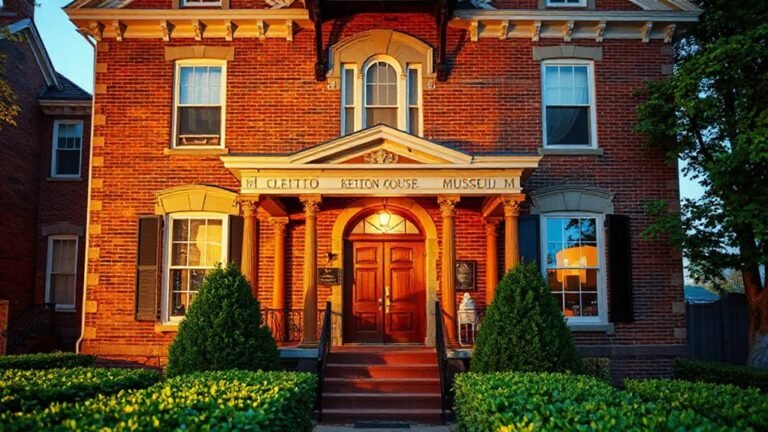
    Did you know fewer than 1 in 10 visitors to Columbus seek out Underground Railroad sites? Come with me — you’ll step into a Victorian house that smells faintly of cedar and old paper, hear a guide whisper about hidden closets, and see a faded cloak that once meant escape. I’ll point out the Keltons’ abolitionist letters, the clever architecture for concealment, and why this quiet house still hums with courage — and then you’ll want to go inside.

    History of the Kelton Family and Their Abolitionist Roots

    kelton family s abolitionist legacy

    When I first stepped into the Kelton parlors, I could practically taste the lemon polish and hear the soft scrape of a chaise where someone had once leaned and whispered plans; the house still holds their boldness.

    You’ll feel it too, a chill that’s almost polite, like the room remembers courage. I point out portraits, you lean closer, we trade a grin; the Kelton legacy isn’t dusty, it’s busy. They wrote checks, sheltered strangers, argued at dinner — loud and certain.

    Their abolitionist activism pulsed through letters, footfalls on back stairs, whispered codes over tea. Sometimes I joke I’m just the tour guide; truth is, I’m the narrator for decisions you’d nod at in the dark.

    You listen, you imagine, you remember.

    Architectural Highlights and Period Rooms

    victorian architectural charm preserved

    Light and shadow play like old friends across the Kelton woodwork, and I’ll bet you’re already scanning for the carved cornices and brass doorknobs that give this place its mood.

    You step inside, I point out the soaring stair, you run a finger along the banister, it’s smooth from a century of hands.

    Victorian architecture shows off here — patterned wallpapers, stained glass, turned balusters, a parlor that still smells faintly of lemon oil and old books.

    Period rooms are staged with real objects, they creak, they settle, they talk without chatter.

    You lean in, I whisper a cheeky aside, we trade a grin.

    Historical preservation made this possible, and you leave richer, quietly smitten.

    The House’s Role in the Underground Railroad Network

    underground railroad safe house

    Because I like to imagine history as a kind of backstage pass, I’ll say it straight: the Kelton House wasn’t just pretty wallpaper and polished banisters — it was a waypoint, a hush-hush stop on the Underground Railroad.

    You’ll feel the hush in the hall, hear the floorboards whisper. I point out door frames, not to be dramatic, but because small clues matter: loose bricks, narrow closets, the kinds of corners that shout “stay low.”

    People used a network of safe houses, and this place fit that map. You picture fugitives slipping in, holding breath, tasting candle smoke and dust.

    I’ll show you where friends met, routes threaded through town, and how ordinary rooms became lifelines. It’s quiet, urgent, human, and impossible to forget.

    Artifacts, Documents, and Interpretive Exhibits

    You just heard about hidden doors and hushed footsteps, and now I want to show you the stuff that proves those stories actually happened — the objects and papers that smell faintly of age and stubborn truth.

    You’ll lean in, I’ll point, we’ll both whisper like we’re not bothering the past. Trunks with worn leather, aprons threaded with soot, letters stained by tears and river crossings.

    I explain artifact preservation, how gloves and quiet hands keep history breathing, how a single signature can flip a life story.

    Exhibits use interpretive storytelling, voice and light guiding your gaze, making choices feel human. Touch nothing, ask everything, soak up texture, scent, and the small miracles tucked into drawers.

    Planning Your Visit: Tours, Events, and Accessibility

    Ready to plan a visit that actually fits your life? I’ll walk you through tour availability, booking tips, and visitor accessibility so you don’t show up like a confused extra.

    Check the schedule online, call ahead for special programs, and expect friendly staff who’ll laugh at your questions.

    • Morning light through stained glass, wood floors creaking under polite footsteps.
    • A guide whispering stories of secret rooms, the air smelling faintly of old paper and lemon polish.
    • A ramp and folded chairs ready, staff offering clear directions and patient smiles.

    I keep it practical, honest, and a bit cheeky. You’ll leave knowing where to park, when to arrive, and how to request accommodations.

    Conclusion

    You’ll leave the Kelton House feeling the creak of its floors under your shoes, smelling waxed wood and old paper, and carrying a small, fierce pride. I’ll bet you’ll pause at the cellar steps, hand on the cool banister, thinking about secret rooms and bolder people. Take that image home. Tell a friend. Support the stories that still need telling. Walk out lighter, but never, ever indifferent.

  • Otherworld Columbus Tour | Immersive Art Experience

    Otherworld Columbus Tour | Immersive Art Experience

    You’ll step into Otherworld Columbus and feel your phone battery drain — not literally, just your usual filter, your small-talk armor, gone; neon washes over you, the floor hums under your shoes, and you’ll find yourself whispering to a mirror like it’s a secret accomplice. I’ll guide you through the Neon Forest, the Mirror Maze, and the tactile walls that beg to be pushed, point out the best photo angles, and tell you when to grab snacks nearby — but first, let me show you the trick that makes the whole place click.

    What to Expect Inside Otherworld Columbus

    immersive sensory chaotic fun

    If you like your thrills loud and your weirdness curated, you’re going to get along with Otherworld Columbus just fine — I promise I’ve walked through it so you don’t have to learn the hard way.

    You step in, lights snap, bass hums, and you grin like a kid who stole the funhouse map. Expect immersive experiences that shove you into color, sound, and scent — yes, sometimes odd smells, but in a good way.

    Art installations pop up like mischievous friends, hands-on, weirdly tender, begging you to touch, pose, and laugh. I nudged a glowing mushroom, squealed, and kept walking, narrating out loud like a fool.

    It’s sensory, silly, and sharp — exactly the kind of chaos you’ll want more of.

    Best Times to Visit and Ticket Tips

    best visiting times tips

    When should you go? Aim for weekday evenings, or early afternoons on slow Saturdays — those are the best visiting times, trust me. You’ll dodge crowds, hear whispers of soundscapes, feel light wash over your skin without someone’s elbow in your ribs.

    I like arriving thirty minutes early, coffee in hand, watching the lobby glow. Buy timed-entry tickets online, don’t gamble at the door. Seasonality matters too: school breaks pack the place, mid-fall is mellow.

    Look for ticket discounts for students, seniors, and off-peak slots; sign up for the mailing list, it’s worth the promo emails. Bring comfy shoes, leave the big bag at home, and savor the slow walk between rooms — you’ll thank me later.

    Must-See Installations and Highlights

    sensory immersive art experience

    You’re about to hit three can’t-miss rooms that’ll bop your senses awake: the Neon Forest Walkthrough shimmers with buzzing color and warm, sticky light that makes you grin like a kid.

    The Mirror Maze Chamber tricks your eyes and ego with endless reflections, and the Interactive Soundscape Room asks you to press, stomp, and whisper to change the whole vibe.

    I’ll point out where to linger, where to snap the best shot, and where to back off before you embarrass yourself.

    Trust me, you’ll leave humming, glowing, and telling everyone you “almost” conquered the maze.

    Neon Forest Walkthrough

    One walk, two worlds—welcome to the Neon Forest, where I’ll shepherd you through glowing trees, pulsing mushrooms, and enough color to make your camera jealous.

    You step in, I point, we both gasp—neon colors wrap the canopy, you can almost taste electric citrus in the air.

    Walk slowly, touch the bark, it hums back, a friendly jolt. Follow the path, bounce past bioluminescent ferns, duck under a vine that twinks like a tiny disco.

    I’ll crack a joke, you’ll laugh, we’ll take a selfie before the light shifts. This immersive experience feeds sight and sound, teases your sense of balance, and leaves you grinning.

    Leave the map behind, trust me, and get delightfully lost.

    Mirror Maze Chamber

    Because mirrors don’t just reflect here, they lie with style — and I’ll be the one calling bluff.

    You step in, heart quick, lights slicing the air, and I narrate like a rogue tour guide, teasing your sense of up and down.

    Mirror reflections multiply you into a small army; some faces grin back, others pretend they never met you.

    You reach out, fingers brushing cold glass, and the maze answers with optical illusions that tilt floors and stall footsteps.

    Don’t worry, I’ll admit I got lost too, loudly, embarrassingly, then laughed my way through.

    Follow my voice, duck through a silver doorway, pause where a corridor fractures into a glittering infinity, and savor the delicious confusion.

    Interactive Soundscape Room

    We leave the glittering lie of the mirror chamber and step into a room that listens back, where sound hangs in the air like mist and I grin because this one talks to you.

    You tiptoe in, fingers twitching, and the floor answers with a low hum that feels like a secret. Sensors catch your breath, your footsteps, your laugh, then twist them into echoes that surprise you—often kindly, sometimes rude.

    This interactive soundscape asks you to play, to poke at noises until they bloom. You press a panel, a chorus blooms; you whisper, a distant bell replies.

    It’s an immersive experience that makes you part musician, part mischief-maker. I nudge you, we trade sounds, we both crack up.

    Getting There and Parking Options

    If you’re rolling into Columbus for Otherworld, plan like you mean it — traffic’s real, and so is my tendency to underestimate parking time.

    You’ll want to check public transport first; the bus and light rail drop you a short, breeze-cooled walk from the venue, ideal if you hate circling blocks like a raccoon.

    Driving? Aim for official lots, grab a timed ticket, and set a reminder so your car doesn’t become an accidental art piece.

    Nearby accommodations often bundle parking info, and many let you stash bags before check-in, lifesaver move.

    I’ll say it plainly: arrive early, stretch your legs, smell the city—map apps help, patience helps more, and coffee is mandatory.

    Accessibility and Family-Friendly Features

    I’ll walk you through the highlights so you can plan like a pro, starting with clearly marked wheelchair-accessible routes that keep ramps gentle and sightlines open.

    We’ve got sensory-friendly sessions, too — quieter lights, softer sound, and chill zones where you can catch your breath without the guilt.

    Bring the whole crew, because family ticket options make it easy and affordable, and yes, I’ll stop pretending I don’t judge your snack choices.

    Wheelchair Accessible Routes

    Anyone rolling through Columbus on wheels deserves routes that feel intentional, not like an obstacle course designed by a sleep-deprived raccoon.

    I walk you through paths with smooth curb cuts, tactile paving under your tires, and clear sightlines so you’ll know when to glide or pause. Look for wheelchair ramps at every entrance, and accessible restrooms near major installations; I check them, I test the doors, I curse softly when a sensor’s flaky.

    You’ll hear my laugh, feel the rumble of textured mats, taste the street food breeze between exhibits.

    1. You’ll feel welcomed, not shuffled.
    2. You’ll move with dignity, not detours.
    3. You’ll leave smiling, plans already forming.

    Sensory-Friendly Sessions

    Because crowded, loud spaces can turn wonder into overwhelm, I shepherd sensory-friendly sessions that actually make your day — not just tone it down.

    You’ll step into calmer light, lower soundscapes, and predictable changes, so your brain can enjoy the textures, not grit its teeth. I point out soft seating, dimmable stations, and tactile elements you can touch, because hands-on beats guesswork.

    Staff wear clear badges, they’ll give quiet cues, and we’ll pause between installations, so you can breathe, compare notes, or sip water without feeling rushed.

    These sensory experiences honor different needs, they respect your pace, and they keep surprises gentle. I fail sometimes, I’ll admit it, but I’m always listening, tweaking, and aiming for truly inclusive environments.

    Family Ticket Options

    If you’re rolling in with kids, grandparents, or that one cousin who insists on wearing a cape, our family ticket options keep things easy and low-drama — I handle the math, you handle the snacks.

    I set up family discounts and group packages so you don’t stress, you laugh. You’ll get clear arrival times, stroller-friendly routes, quiet corners, and hands-on stations that glow under soft lights; kids squeal, adults relax, someone inevitably smells popcorn.

    1. Save with family discounts, keep everyone smiling.
    2. Book group packages, get a private intro and priority seating.
    3. Bring snacks, take photos, make a short ceremony of it.

    I speak plainly, I’ve tested the routes, you’re covered.

    Photography, Food, and Nearby Attractions

    While you’re snapping photos and sniffing out the best bite, I’ll tell you what makes Otherworld click for both camera and stomach: it’s bold, a little weird, and begging to be tasted.

    I’ll share photography tips—use a wide lens for rooms, low angles for sculptures, and chase colored light; steady your phone against a railing, don’t be shy with long exposures.

    For food recommendations, wander the local carts, grab spicy noodles, then indulge in a nearby bakery’s cream-filled pastry; trust me, you’ll need the sugar boost.

    After you eat, stroll to the riverfront, peek into indie shops, and say hi to a mural. You’ll leave full, inspired, and slightly glittery.

    Conclusion

    You’ll think you’re just popping in for a quick selfie, and suddenly you’re elbow-deep in neon, sound, and glitter that won’t stop humming in your head. I promise you’ll wobble through the Mirror Maze, laugh at your own reflection, then buy fries because the lights made you hungry. It’s playful, weird, and unexpectedly tender. So go, get lost on purpose, and come out with a story you won’t fully believe.

  • Scioto Audubon Metro Park Tour | Outdoor Adventures

    Scioto Audubon Metro Park Tour | Outdoor Adventures

    You’ll love this place—wide river, sharp limestone cliffs, and a skyline of city and trees that somehow feels like wilderness and playground at once; I’ll show you where to park, which trail smells best after rain, how to skirt the busy spots for a quiet heron view, and where you can hop in a kayak without looking like a rookie, but there’s one trail I won’t tell you about yet—so keep going.

    Getting There and Parking Tips

    scenic route parking regulations

    If you’re driving, aim for the short, scenic route off I‑71 and don’t be surprised when the city noise drops away and you smell river water and cut grass—pure instant calm.

    You’ll pull into the lot, hunt a space, and sigh when you read the parking regulations sign—pay kiosks, time limits, and permit spots. Don’t panic, you’ll figure it out fast.

    If you prefer public transportation, hop a bus or the nearby transit line, then walk in with the skyline behind you.

    I’ll warn you: weekends fill up, so arrive early, scout the side streets, or be ready to park a bit farther and enjoy an extra stroll.

    Bring change, patience, and a smile.

    Best Times to Visit and Seasonal Highlights

    seasonal birdwatching trail tips

    You’ll want to time your visit for spring and fall, when migration turns the marshes into a birding Broadway and you can spot warblers, herons, and falcons without needing binoculars that cost your rent money.

    I promise the trails behave differently by season — crunchy mud in March, pollen-dusted paths in May, icy sparkle on winter mornings — so pack boots, sunscreen, or crampons depending on what you’re chasing.

    Stick with me and I’ll point out the peak birdwatching months and which routes are best when the ground’s soggy or snug under snow.

    Peak Birdwatching Months

    While spring still smells like wet earth and anxious wings, I’ll tell you why Scioto Audubon lights up for birders: migration turns the park into a feathery highway, and you don’t want to miss it.

    You’ll want April and May for peak migratory species, binoculars ready, practicing quick birdwatching techniques as warblers flit like confetti.

    Come September and October, you’ll catch southbound raptors riding thermals, leaves crackling underfoot, coffee steaming in your hands.

    Winter has its charms — hardy ducks and a quiet, frost-bitten dignity — but it’s quieter.

    Summer mornings reward you with resident songbirds, cicadas, and humid air that smells like cut grass.

    Time your visit around dawn, move slowly, breathe, and enjoy the show.

    You’ll thank me later.

    Seasonal Trail Conditions

    Because the trails change mood like playlists, I always check the season before I lace up — and you should too.

    You’ll find spring muddy and loud with frogs, but packed with wildflowers, so wear boots, bring a camera, and expect occasional detours for trail maintenance.

    Summer dries the paths, heats the river air, and rewards early mornings; sunscreen and water matter, trust me.

    Fall paints every bend, leaves crunch underfoot, and the light is Instagram-ready — aim for golden hour.

    Winter rigs you with crampons, muffles sound, and gifts crisp air; plan for shorter hikes.

    Seasonal variations affect footing, crowds, and wildlife, so pick your season, pack smart, and enjoy the park without surprises.

    Top Trails and Walking Routes

    riverfront raptor wetland adventure

    You’ll start on the Riverfront Loop Trail, where the breeze smells like wet stone and the river keeps a steady, friendly murmur beside you.

    Swing up Raptor Ridge Path next, and you’ll feel the air thin, see kestrels like tiny punctuation marks, and want to brag about the view (I’ll pretend I already knew this).

    Finish on the Wetland Boardwalk Route, where frogs hold noisy meetings under your feet and you’ll slow down, squint, and actually notice the tiny things.

    Riverfront Loop Trail

    Three quick steps and you’re on the Riverfront Loop: lace up, step out, and let the river do the rest.

    You’ll hear water, bird calls, and your own sneakers. I point out riverfront wildlife—ducks, herons, the odd raccoon stealing snacks—while you soak in scenic views, skyline glinting on the water. You’re moving, breathing, noticing.

    1. Follow the paved path, it hugs the bank, gentle grades, easy pace.
    2. Pause at benches, watch kayaks skim by, feel the breeze.
    3. Snap photos, but look up first, the reflections change every minute.
    4. Bring a snack, share crumbs with squirrels, laugh when they get bold.

    Raptor Ridge Path

    Leave the river behind for a bit and follow me up the bluff; I promise the view’s worth the mild calf burn. You’ll crunch gravel, smell dry grass, feel wind push your hair, and spot hawks circling above like they own the skyline.

    I’ll point out simple raptor identification techniques—wing shape, flight rhythm, that silhouette against sun—so you don’t squint and guess. Watch spacing and calls, notice raptor behavior patterns: hunting stoops, thermal riding, sudden perches.

    I jab a finger at a distant kestrel, make a bad joke, you laugh, we both look smarter. Benches let you rest, binoculars make you official, and the bluff rewards patience with a swoop of wild life and skyline glory.

    Wetland Boardwalk Route

    Boardwalks are my favorite kind of trail—flat, honest, and full of small surprises—so let’s wander the wetland loop together.

    You’ll step onto warm wood, hear frogs chatter like tiny talk-show hosts, and smell loamy water, reeds, and sun. Keep your pace easy, eyes scanning the wetlands; these wetland ecosystems teem with life, and you don’t want to miss a thing.

    1. Pause at the board edge, lean on the rail, and name three birds you see.
    2. Watch dragonflies flash, like impatient neon, then point them out to a friend.
    3. Note mud patterns, tiny footprints that tell a secret story.
    4. Stay quiet, breathe slow, and count species — wildlife diversity is the reward.

    Kayaking and River Access Points

    You’re gonna love the water here — I mean, who doesn’t like slipping into a kayak and pretending they’re an explorer for an hour?

    You’ll find kayak rentals at the park’s launch, so don’t worry if you didn’t bring your own—rent, sign a waiver, paddle off. The river’s gentle current feels cool on your arms, sun sparkles on ripples, and birds call like they’re cheering you on.

    I’ll point out easy put-ins and a few quiet coves for snacks, and I’ll nag about river safety—life jackets on, watch the current, scout obstacles.

    You’ll glide past limestone banks, hear paddles slap, and laugh when you tip a little, because hey, it happens to me too.

    Rock Climbing and Bouldering Areas

    If you like heights and the tiny thrill of questioning your life choices, you’ll love the climbing spots here — I did my first wobble on a boulder and lived to tell the tale.

    You’ll touch sun-warmed rock, chalk your hands, and grin when you top out, because the routes tease and reward. I point out spots for beginners and steeper lines for pros, I share quick tips on climbing techniques, and I warn you about slick holds after rain.

    Expect friendly strangers, clipped gear, and the smell of pine.

    1. Short, slabby boulders for balance practice and easy wins.
    2. Overhangs that test core, power, and nerve.
    3. Top-rope anchors for learning safe footwork.
    4. Traverse lines, perfect for bouldering challenges.

    Birdwatching Hotspots and Wildlife Viewing

    When I tiptoe down to the river’s edge, binoculars bouncing against my chest, I swear the world feels like it’s on listen mode — and you can hear the clicks and whistles if you know where to stand.

    You’ll want to hug the shoreline, whisper, and watch the herons line up like awkward models.

    Try simple birdwatching techniques: sit still, scan in strips, and learn a few calls — they’ll find you if you don’t scare them off.

    Bring a small tripod for steady wildlife photography, because blurry kingfishers are tragic.

    At the marsh overlook, you’ll spot warblers, osprey, even otters slipping through reeds.

    I jab my finger at a distant flash, laugh, and remind you to breathe; patience pays, and so does a good lens.

    Family-Friendly Activities and Play Spaces

    Three easy ways to win the kids’ attention: points of curiosity, pockets of shade, and a promise of snacks — trust me, I’ve tested this strategy on my nephew.

    You’ll find playful spaces where you can ditch screen guilt, laugh at mud-splattered shoes, and teach little explorers to be curious.

    Pack a simple nature scavenger list, hand over a magnifying glass, and watch them bend close to leaves, ants, and river rocks.

    Bring frisbees, balls, or classic outdoor games to burn energy, then collapse on a bench while they run circles.

    1. Trail-edge play zones for safe, imaginative running.
    2. Interactive educational displays that invite touching.
    3. Open lawns for ball tosses and relay races.
    4. Shaded nooks for quiet reading, craft time, or snack breaks.

    Picnic Spots and Scenic Overlooks

    You’ll spot riverside picnic tables where you can plop down, hear water slap the bank, and pretend you packed a gourmet lunch when it’s really last-night’s pizza.

    Walk a few steps and the cliffside scenic overlook stops you cold — wind in your hair, a city-and-river postcard spread below, and me muttering that I should’ve brought a better camera.

    If you’d rather flop on the meadow blanket areas, there’s soft grass, bees doing their important work, and plenty of room to stretch out and blame me for the picnic crumbs.

    Riverside Picnic Tables

    I always scout for the best bench, and the riverside picnic tables at Scioto Audubon are my unofficial throne room. You’ll grab picnic essentials, drop a blanket, and claim a spot with immediate riverside relaxation. The river tucks you in with a cool breeze, gull calls, and boat wakes that applaud your sandwiches.

    1. Unpack: cooler, napkins, sunscreen — yes, sunscreen.
    2. Settle: bench faces water, shade shifts, you sigh.
    3. Snack: crisp apple, warm coffee, crumbs for the ducks (mild guilt, mostly joy).
    4. Pack out: leave no trace, pat yourself on the back.

    You’ll chat, read, or nap. I’ll watch the light change, give you the nod, then wander off smiling.

    Cliffside Scenic Overlook

    After you’ve luxuriated by the water and fed the ducks their questionable snacks, follow the path uphill and keep your eyes open — the cliffside overlook won’t sneak up on you, but your breath might.

    You step onto a rocky ledge, wind tapping your jacket, river glinting below like a misplaced mirror. I point out the bench, you sit, we trade goofy grins while the city hums far away.

    This spot begs for cliffside photography, so frame the sweep, catch the gull mid-flap, pretend you knew what you were doing.

    Stay for a scenic sunset, watch colors bruise then bloom, feel cooling air and the small, proud ache in your legs.

    We leave lighter, photo evidence in hand, memories nailed down.

    Meadow Blanket Areas

    Think of the meadow as your unofficial living room—wide, sun-dappled, and slightly messy in the best way. You spread picnic blankets, flop down, and someone immediately becomes the blanket dictator.

    I point out birds, you squint; meadow wildlife comically insists on joining, bees inspecting crumbs like tiny sommeliers. You feel grass against your skin, wind nudging your hair, the river murmuring nearby.

    We trade snacks, bad jokes, and silence that actually feels good.

    1. Pack sturdy picnic blankets, plates that don’t fly away, and a trash bag.
    2. Choose a slight rise for a better view, fewer ankle-tickling stems.
    3. Watch for rabbits and dragonflies, they’re the real VIPs.
    4. Leave no trace, leave the meadow better than you found it.

    Guided Programs, Events, and Volunteer Opportunities

    Three great ways to get to know Scioto Audubon are guided walks, lively events, and volunteering—so let’s start with the good stuff.

    You’ll join guided nature walks, eyes scanning for warblers, breath fogging on cool mornings, guides pointing out nests like nature’s tiny apartments. I’ll crack a joke, you’ll roll your eyes, we’ll learn bird calls together.

    Events pop up all year—moonlit hikes, kayak socials, seed-saving workshops—each one loud with laughter, rich with smells of grass and river.

    If you want hands-on, sign up for volunteer training, gloves on, trash bags ready, pride rising as invasive species vanish. You’ll meet folks who love this place, swap stories, earn real know-how, and feel useful without trying too hard.

    Accessibility, Safety, and Park Rules

    You’ll love getting muddy with the volunteer crew, but let me be blunt: parks work best when people follow a few simple rules.

    I’ll walk you through accessible features, safety guidelines, and the do’s and don’ts, so you can enjoy the river breeze, calliope of birds, and smooth gravel without drama.

    1. Stick to marked trails — they protect plants, and your ankles; bring sturdy shoes, water, and a map.
    2. Use accessible features like ramps, wide boardwalks, and designated parking; they’re for everyone, seriously.
    3. Follow safety guidelines around cliffs, the climbing wall, and the river; life jackets and helmets aren’t optional.
    4. Pack out trash, leash dogs, respect hours; be a good neighbor, not that person yelling at geese.

    Conclusion

    You’ll love Scioto Audubon — it’s like a secret playground tucked into the city, humming with birdsong and river spray. I’ll bet you’ll hike a trail, snag a picnic spot, then laugh as a curious kid splashes your shoes; that’s the charm. Go early for golden light, paddle when the water’s glassy, and climb until your forearms plead mercy. Pack out trash, follow rules, and leave the place better than you found it.

  • Columbus Clippers Game Tours | Huntington Park Experience

    Columbus Clippers Game Tours | Huntington Park Experience

    The ballpark smells like summer memory and popcorn, and you’re about to walk where players warm up — I’ll show you the dugouts, clubhouse, even the press box, with stories that make the place breathe; you’ll hear a coach’s half-joke, feel the leather of a bat, spot a mascot hiding behind a cooler, and then you’ll want to know the best time to sneak in for a photo — so stick around, I’ve got the inside scoop.

    Behind-the-Scenes Stadium Access

    behind the scenes ballpark tour

    If you’ve ever wondered where the magic happens, come with me — I’ll show you the parts of the ballpark most folks only see on TV.

    You’ll slip past velvet ropes, smell hot dogs and fresh paint, hear the echo where players warm up, and I’ll point out plaques that sketch stadium history, quick as a wink.

    I’ll nudge you toward a glass case filled with player memorabilia — jerseys, bats with dents, a cleat that looks guilty — and you’ll get close enough to almost touch the stories.

    I narrate, you grin. I crack a joke when the janitor gives me the look.

    We move briskly, feet on concrete, voices low, eyes wide, ready for the next surprise.

    Guided Tour Highlights and Stops

    baseball history scavenger hunt

    Think of this as your ballpark scavenger hunt, and I’m the chatterbox with the clipboard who won’t let you miss a thing. You’ll tour the dugouts, sniff the leather and chalk, and I’ll point out historical highlights with a wink.

    You’ll feel the crowd hum from the press box, see the secret nooks where mascots hide, and we’ll test your trivia — loud, proud, and slightly competitive.

    • Toe the warning track, feel crushed brick underfoot, hear distant organ notes.
    • Peek into the clubhouse, spot lockers, gear smells, and game-day rituals.
    • Stand where legendary plays unfolded, touch plaques, absorb historical highlights.
    • Try the kid’s play zone, noise, colors, hands sticky with cotton candy, full fan engagement.

    You’ll grin, I’ll narrate, we’ll make memories.

    Insider Stories From Staff and Players

    behind the scenes baseball anecdotes

    When I say we’ve got stories, you’re going to want to lean in—these are the backstage confessions that make the ballpark feel alive.

    I’ll walk you past the dugout, you’ll smell sunflower seeds and fresh-cut grass, and I’ll drop player anecdotes that sound too good to be true.

    You’ll hear a pitcher admit to singing bad ’90s hits between innings, and a catcher confess to hiding lucky socks in his gear bag.

    Staff experiences get equal time; ushers trade tales of last-minute heroics, and concession workers describe the night a vendor saved a whole night by improvising a taco.

    You’ll laugh, you’ll groan, and you’ll leave feeling like you earned a secret handshake.

    Ticketing, Schedule, and Pricing Details

    You’ll want to know what ticket types are on offer, from lawn seats that smell like fresh-cut grass to cushy club options with better sightlines and fewer crying kids.

    I’ll walk you through game dates, single-game and season prices, plus the little fees they sneak in at checkout, so you’re not surprised at the gate.

    Ask me about date swaps or the best cheap-night steals, and I’ll tell you where to sit, when to go, and how to save a few bucks without being that penny-pinching friend.

    Ticket Options & Types

    One clear option is to buy single-game tickets, and I’ll tell you why that’s the easiest way to join the crowd without committing to a season’s worth of peanuts and foam fingers.

    I walk you through choices, you pick what fits—ticket pricing is clear online, and seating options range from sun-drenched outfield seats to shaded club rows.

    You won’t overbuy. You won’t miss the seventh-inning stretch.

    • Lower-level dugout seats: close enough to smell the leather, hear the chatter.
    • Outfield berm: sprawl, picnic blanket, kids running free.
    • Club level: cushioned, quieter, beer lines shorter.
    • Lawn/standing room: cheap, flexible, move with the game.

    I’ll help you compare, decide, and get to the ballpark smiling.

    Game Dates & Prices

    Three ways to think about dates and prices: pick an evening game for fireworks and a louder crowd, a weekday matinee if you want cheaper seats and easier parking, or a weekend doubleheader when the whole city feels like it’s on the field with you.

    I’ll walk you through the game schedules so you can match your mood to a night, day, or weekend; the online calendar’s clean, I promise.

    You’ll see clear pricing tiers, from lawn deals to club seats, each listed with perks, aisle access, and view lines.

    Buy early for promo nights, or gamble on last-minute scalpers if you like stress and savings.

    Bring cash for snacks, a jacket for breezy stands, and a sense of humor.

    Group and Private Tour Options

    You can bring a crowd — family, coworkers, or that one friend who claps too loud — and we’ll set you up with group seating, discounted rates, and a guided walk through the best spots so everyone gets a view and a story.

    If you want something quieter and tailored, you’ll get VIP perks: early access, behind-the-scenes areas, and a host who’ll answer your nosiest questions (I promise I won’t judge).

    Tell me your numbers and your vibe, and we’ll stitch together the perfect outing, quick and easy.

    Group Tour Details

    If you’re planning a group outing, you’ll want options that fit the size of your crew and the energy they bring — whether that’s a quiet behind-the-scenes peek or an all-out VIP swagger through the clubhouse.

    I’ll walk you through group tour details so your crew gets team bonding, real educational experiences, and zero awkward lulls. I talk fast, but I mean it: we’ll tailor pacing, stops, and photo ops.

    • Hear the crack of batting practice up close, feel the breeze from the outfield, grab a dugout seat for a minute.
    • Try on a helmet, hold a glove, learn clubhouse rituals.
    • Short Q&A with staff, quick trivia, team chants.
    • Flexible timing, accessible routes, clear pricing, easy booking.

    Private Tour Perks

    A few perks make a private tour feel like your own little ballpark heist — in the best way possible.

    You get exclusive access behind ropes, into dugouts, and up close to the scent of fresh-cut grass and sunflower seeds. I’ll show you the press box, you’ll touch the foul pole (don’t lick it, please), and together we’ll laugh at my bad umpire impressions.

    It’s a personalized experience, tailored to your group size, pace, and that one friend who asks a million questions. You’ll hear locker-room stories, peek at memorabilia, and pose for photos where the scoreboard glows behind you.

    It’s intimate, fun, and totally yours — like owning the ballpark, if only for ninety minutes.

    Tips for Making the Most of Your Visit

    While you’re planning the day, trust me: a little prep goes a long way—bring layers, because Ohio weather loves surprises, and grab a handheld fan if it’s summer, or a warm hat for spring evenings that turn chilly.

    I want you comfortable, so scope food options before you go, and note parking tips so you don’t circle forever. Pack sunscreen, a portable charger, and cash for that vendor who only takes dollars.

    • Buy tickets early, then screenshot them — signal can be spotty.
    • Arrive 45 minutes before first pitch, soak in the skyline.
    • Try the pulled-pork sandwich, it’s messy, glorious, worth it.
    • Meet staff on tours, ask questions, they’ll laugh and help.

    Conclusion

    You’ll leave Huntington Park buzzing, the hot‑dog scent still clinging to your jacket, because these tours crack open rooms you thought only players could touch. I’ll hand you the inside jokes, you’ll gawp at the dugout, we’ll duck into the press box, and you’ll feel history humming under your sneakers like a minor-league miracle. Book a tour, snag a group slot or go private, and trust me — this’ll be the best two hours you’ve spent all year.

  • North Market Columbus Tour | Food Hall & Vendors

    North Market Columbus Tour | Food Hall & Vendors

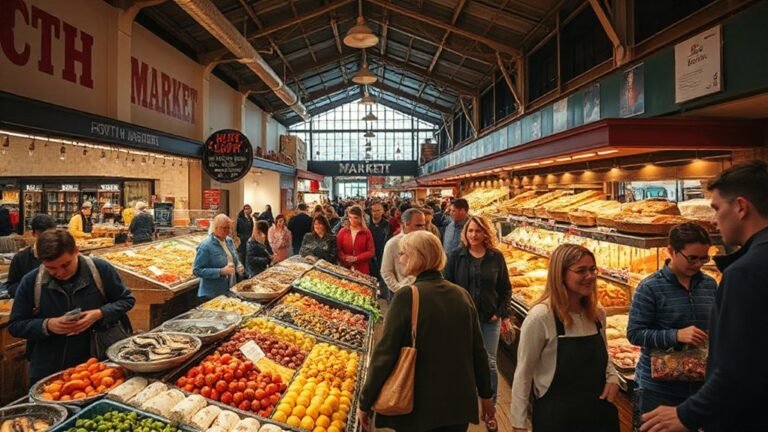
    You’ll stroll into North Market like you own the place, follow your nose past buttery pierogi steam and sizzling gyro fat, and I’ll point out the stalls worth crowding for; vendors banter, brownies wink from glass cases, farmers hand you samples like tiny bribes, and you’ll taste local history built since 1876 in every bite. You’ll want a plan, a loose appetite, and just enough cash — and I’ll tell you where to start next.

    History and Community Roots of North Market

    historical community market experience

    When you step through North Market’s iron gates, you’re stepping into a story that’s been cooking since 1876, and yes, I know that makes me sound like a history nerd—guilty as charged.

    You hear vendors calling, smell roasted coffee and warm bread, and you’ll want to linger. I’ll point out brick walls scarred by time, plaques that nod to the market’s historical significance, and maps that show its rebirth after near-demolition.

    You’ll see neighbors swapping recipes, volunteers organizing events, and kids pressing faces to pastry cases. That community engagement hums here, it’s loud and kind.

    I’ll nudge you toward corners where old meets new, and confess I get goosebumps every time. You won’t leave unchanged.

    Must-Try Vendors and Signature Dishes

    must try food vendors

    You’ll want to start with a hungry belly and comfy shoes, because I’m about to point out the stalls you can’t miss and the dishes that’ll make you brag.

    Try the buttery, garlicky pierogi from the Polish vendor, the smoky brisket sandwich that leaves a sauce-streaked grin, and the citrusy gelato that cools you down between bites — I promise you’ll Instagram at least one guilty pleasure.

    Follow me stall to stall, ask the vendors for their quick stories, and taste your way to a personal top-three before you even hit the exit.

    Signature Dishes to Try

    Because I’m not kidding about food being the North Market’s love language, let me steer you straight to the sights, smells, and eats that’ll make you linger—sometimes uncomfortably—at a counter.

    You’ll want the crispy porchetta, its skin snapping under your teeth, juices flooding your fork, paired with tangy slaw that cuts the richness.

    Grab the wood-fired pizza, blistered and smoky, fold a slice and try not to drool.

    Don’t skip the dumplings, steamed to pillowy perfection, dipped in a soy-chili kiss.

    For signature desserts, seek the tart lemon curd tartlet, bright and flaky, and the molten chocolate cake that demands a spoon.

    Ask vendors about drink pairings, they’ll nudge you toward a zippy cider or coffee.

    Local Vendor Highlights

    If you follow my lead through the market’s aisles, you’ll meet the characters who turn groceries into gossip and meals into mini-celebrations—think a tattooed pizzaiolo who tosses dough like a circus act, a grandma-level dumpling queen who steams clouds into bamboo baskets, and a porchetta guy whose knife sings when he carves.

    You’ll spot local favorites fast, follow aromas, and eavesdrop on vendor stories that double as recipes. Try the charred Margherita, steam a dumpling open, taste porchetta fat melting on crusty bread.

    I’ll point, you’ll queue, we’ll trade banter with cooks who wink more than they should. Bring cash, loosen belts, savor each bite, and don’t pretend you’re not coming back tomorrow.

    Guided Tasting Route and Timing Tips

    smart tasting route tips

    I’ll walk you through the smartest tasting order so you don’t ruin your palate—start light, hit savory midline, finish bold and sweet.

    Go early for freshest bites and shorter lines, or swing a late-afternoon lull when vendors are relaxed and samples flow; trust me, your stomach will thank you.

    We’ll choreograph stops and timing, I’ll point out when to pause for coffee, and you’ll leave full and smug.

    Best Tasting Order

    When you’re ready to eat your way through North Market, start like a strategist and move like someone who knows the good stuff’s worth waiting for—I’ll show you the route that keeps flavors fresh and your stomach happy.

    I’ll ask about your tasting preferences, then nudge you: salty chips first, light ceviche next, richer dumplings after a palate reset.

    Walk clockwise, grab cold bites early, warm fried things later, pause between stations with a cleansing sip.

    Try bright, acidic bites to wake your tongue, follow with savory, umami hits, finish on a sweet note.

    I’ll joke about my weak will around pastries, but you’ll savor smart flavor combinations, avoid overload, and leave buzzing, not stuffed.

    Time-Of-Day Strategy

    Because timing changes everything, we’ll treat North Market like a theater show and you’re getting front-row seats—I’ve timed acts so your taste buds get the best lines.

    Go early if you like calm, sunlight, and vendors who chat; mid-morning brings fresh baking, coffee steam, bright citrus, and smiling bakers.

    Avoid peak hours unless you love elbow battles; noon swarms, lines grow, and the vibe flips lively.

    Plan meal timing: nibble a savory snack, wait forty-five minutes, then hit a heavier plate. I guide you from light to bold, tractors of aroma leading the way—cheese, then spice, then sweet curtain call.

    Pace yourself, sip water, claim a bench, and savor every scene like a critic with a soft spot.

    Local Sourcing and Artisanal Producers

    Two things happen fast at North Market: your nose takes the lead, and your wallet grins nervously.

    You weave past stalls, I point out vendors who obsess over provenance, and you nod like you understand terroir — even if you don’t.

    Artisan partnerships glow on chalkboards, farmers hand you fragrant basil, bakers slice warm sourdough, all under bright, friendly chatter.

    You taste, you ask, you learn quick: who grew it, who cured it, how they keep waste low.

    Sustainable practices matter here, not just buzzwords; you see compost buckets, reusable packaging, smiles that mean business.

    You leave with a tote, a grin, and the smug satisfaction of eating local without pretending you did all the work.

    Tips for Navigating Dietary Restrictions and Kids

    If you’ve got allergies, picky kids, or a vegetarian soul, I’ll help you navigate North Market without tears or mystery ingredients.

    Start at a vendor, ask about dietary modifications, and watch their faces—most beam, they love this. Say “no nuts, please,” or “gluten-free?” and they’ll show options, not lecture.

    Bring kids close, let them sniff spices, point at colorful bowls; they’ll pick faster than you bargain. Hunt for kid friendly options—mini pizzas, simple dumplings, plain tacos—kids eat with their eyes.

    Order one safe thing, then share a tiny taste of your adventurous bite. If a vendor hesitates, I step in, explain allergies clearly, and we all move on, smiling.

    Nearby Attractions and Post-Market Plans

    Now that your bellies are happy and the kids have sticky fingers, let me show you what else Columbus has hiding within a few blocks.

    You can stow the bags, stretch your legs, and turn post market activities into a mini-adventure. Walk east to the Scioto Mile for river views, snap goofy family photos, and let the breeze wipe sugary hands—seriously, nature’s napkin.

    Head north for local shops, vintage finds, coffee that actually wakes you up, and a gallery where you’ll pretend to understand modern art.

    If someone cries, bribe them with nearby attractions like Goodale Park’s playground or a quick carousel ride.

    I’ll keep pace, make bad jokes, and you’ll leave full, smiling, and slightly sticky — mission accomplished.

    Conclusion

    You’ll leave North Market with a belly full of bold flavors and a pocket full of stories, like you smuggled sunshine in a brown paper bag. I promise you’ll taste pierogi that hug your tongue, chocolate that melts conspiracy-level fast, and vendors who talk like old friends. Walk slowly, nibble often, ask questions, buy something weird. I’ll bet you’ll come back, because once the market grabs you, it doesn’t let go.

  • Schiller Park Columbus Tours | German Village Historic Site

    Schiller Park Columbus Tours | German Village Historic Site

    Most people don’t know German Village was nearly bulldozed in the 1950s, and you’d be surprised how the brick sidewalks still creak like old storybooks under your shoes. I’ll walk you past the bandstand, through rose-scented gardens, and point out a house that looks like it time-traveled from 1890, all while cracking a bad joke or two so you don’t nod off. Stay with me — the best part comes when we step inside a sunlit parlor.

    History of German Village and Schiller Park

    historical charm and heritage

    If you walk into German Village with your eyes and ears open, you’ll feel history underfoot — the brick sidewalks crunching like old coins, the air smelling faintly of bakery and rain, and the houses standing like characters from a well‑told novel.

    You trace German heritage in every cornice, you hear immigrant influence in the creak of porches and the laughter from garden gates. You’ll imagine cobblers, brewers, choir voices rising on Sunday, and you’ll poke around brick by brick, wanting to touch a past that’s stubbornly alive.

    I’ll point out plaques, tell a brisk story, and admit I sometimes get misty over a stone marker. You’ll leave knowing the place prefers to speak, not shout.

    Guided Tour Options and Schedules

    guided tours with schedules

    You’ll find a handful of guided tour types here — short walking routes that skim the highlights, longer themed walks that linger over stories and gardens, and private or group options if you want the whole place to yourself.

    Tours run daily at set times, mornings and afternoons, so check the schedule and snag a spot before they fill up; I’ll warn you, the fountain’s photos steal attention.

    Rates vary by group size and customization, and I’ll walk you through the best, wallet-friendly choice once you tell me who’s coming.

    Guided Tour Types

    When I guide a tour through Schiller Park, I lean into variety because you deserve options that fit your mood—curious, romantic, or sprinting-for-coffee kind of curious—and I’m not above making a dramatic pause for effect.

    You can choose hands-on group walks where I point out brick textures, fountain sounds, and secret garden smells. We’ll linger, joke, and you’ll ask the good questions.

    Prefer solo pace? Try self guided tours with crisp maps, or rent audio guides that whisper stories into your ear while you sip a latte on a bench.

    Families get scavenger hunts, couples get twilight strolls with soft lighting, and history buffs get thorough explorations.

    I keep groups small, routes tight, and surprises tasteful.

    Daily Tour Times

    Three tours leave every morning and two glide out in the golden hour, and I’ll tell you which one’s right for your mood before you even ask.

    You’ll pick at the welcome table, finger lingering on a map, smelling coffee and fresh-cut grass. I point out the tour frequency on the board—daily, brisk, reliable—and note subtle seasonal changes: longer summer walks, shorter winter routes, spring blossom detours.

    Mornings are history-rich and brisk, afternoons relaxed, golden-hour walks soft with light and stories. You’ll hear cobblestones underfoot, local accents, my jokes that land about half the time.

    We move at a friendly clip, pause for photos, taste a bakery scent, and finish where you’re smiling, slightly sun-kissed, and glad you came.

    Private & Group Rates

    If you want the park to yourself—or almost—you can book a private tour, and I’ll rearrange my schedule like a circus juggler to make it happen.

    You’ll get a tailored walk, close-up stories, and enough photo stops to fill your feed, no noisy strangers included.

    Private tours start at modest rates, scale with group size, and I’ll quote you fast, honestly, like a friend who hates surprises.

    For larger crews, we offer clear group discounts, discounts that actually matter, so schools, clubs, and reunion planners can breathe.

    Bookings are flexible, I’ll slot evenings or sunny mornings, we’ll meet at the fountain, I’ll point out hidden brickwork, you’ll taste history—literally, if you bring a snack.

    Highlights: Bandstand, Gardens, and Monuments

    historic bandstand vibrant gardens

    You’ll hear the creak of the historic bandstand as I point out where summer concerts still rouse the lawn, and you’ll probably hum along before you mean to.

    Walk with me through bright, ordered gardens and scruffy community plots, smell peonies and cut grass, and I’ll tell you which beds locals swear by.

    Then we’ll stop at the monuments, I’ll explain who they honor with a wink, and you’ll pick a favorite statue before I do.

    Historic Bandstand Performances

    The bandstand’s wooden floor still hums underfoot, like it remembers every stomp, sway, and trumpet blast that ever passed through it, and I’m here to prove it; step closer and you’ll hear echoes of picnics, summer sweat, and someone’s off-key sing-along blending with the thin, sweet smell of roses from the gardens.

    You’ll catch local musicians tuning up, banter bouncing off the posts, and me pretending I’m not jealous of their chops. I tell you stories about the performance history etched into every nail, about dances that wore grooves into the boards, and brass that made pigeons reconsider careers.

    Sit on the edge, feel the breeze, clap when the beat hits, laugh at my attempts to keep rhythm — it’s alive, honest, and a little bit glorious.

    Formal and Community Gardens

    Though the bandstand still steals the spotlight, I want you to wander the paths with me and notice how the gardens quietly do the heavy lifting; they frame every selfie, soften every monument’s edges, and give pigeons something prettier to judge.

    I point out beds of perennial plants, you kneel to sniff rosemary, and we both pretend we don’t cry a little at late-summer scent. Community plots brim with seasonal blooms, bold oranges and shy blues, volunteers tending, chatting, swapping tips like gossiping grandmas.

    Walk a gravel line, feel sun on your neck, hear a mower sigh in the distance. I make bad plant puns, you roll your eyes, then pause — because the colors demand it, and the park rewards slow looking.

    Notable Monuments Explained

    One quick circuit around Schiller Park and you’ll see why the bandstand hogs the postcard—then notice how the gardens and statues quietly elbow their way into every scene, stealing a bit of your attention like polite pickpockets.

    You’ll stroll up, touch the cool rail, hear a distant rehearsal, and I’ll point out the bandstand’s historical significance: community music, rallies, decades of summer nights.

    The gardens scent the air, frame paths, and lead you to monuments with plaques that whisper stories. Look close, you’ll spot artistic features—bronze patina, carved stone, intentional wear from countless hands.

    I jab a finger at a statue, crack a joke, then get serious: these pieces teach, charm, and keep neighborhood memory vivid.

    Architecture and Restored 19th-Century Homes

    While you’re craning your neck at those steep roofs and turned porch posts, I’ll admit I get a little giddy — and yes, I’m the kind of person who names cornices.

    You’ll walk block by block, squinting at gingerbread trim, tracing brick mortar with your eyes, feeling the cool shadow from overhanging eaves.

    Victorian architecture jumps out, all turrets, bay windows, and lace-like brackets, whispering stories through paint and patina.

    You’ll run a hand along a restored banister, smell fresh wood and linseed oil, hear a loose shutter tap like a slow drum.

    Home restoration here isn’t museum-silent, it’s lived-in craft, neighbors swapping tools, contractors cleaning up, history tuned for daily life.

    You’ll grin, I promise.

    Stories of German Immigrants and Community Life

    Those carved banisters and gingerbread brackets don’t just look pretty — they were built by hands that knew hard work and hymns, by German immigrants who made this neighborhood hum.

    You can almost hear clogs on cobbles, smell fresh pretzels and coal smoke, taste coffee thick as gossip.

    I’ll point out small signs: shopkeepers swapping stories, kids learning songs in halting German, neighbors sharing pies after long days.

    Their immigrant experiences shaped kitchens, churches, rhymes you still hear at Oktoberfest-style community festivals.

    Walk with me, and you’ll notice accents in doorways, embroidered aprons on porch swings, laughter that’s stubborn as ivy.

    • Listen for hymns and market calls
    • Try a historic recipe sample
    • Join a backyard singalong
    • Spot hand-lettered shop signs
    • Watch a festival parade up High Street

    Preservation Efforts and Neighborhood Revival

    Because neighborhoods don’t save themselves, I’ve been poking around basements, porches, and city files to show you how Schiller Park fights back against time and neglect — sometimes gracefully, sometimes like a dog with a chew toy.

    You’ll see volunteers sanding trim, tasting broom straw smell, trading paint colors like baseball cards. I talk to neighbors who won’t sit still — they organize cleanups, raise money, lobby city hall, and throw block parties that double as planning meetings.

    Those preservation initiatives aren’t museum stuff, they’re hands-on work, sweat and coffee, heated debates over brick mortar. You get to watch community engagement in action, a neighborhood stitching itself up, stubborn and proud, humming with reclaimed porches and new stories.

    Practical Visitor Information and Accessibility

    All that neighborhood elbow grease is great to admire, but if you’re planning to show up and ogle the restored porches, you’ll want to know how to actually get here and what to expect.

    I’ll walk you through it, plain and slightly cheeky. The park paths are gravel and grass, you’ll hear kids laughing, and benches invite slow people-watching.

    Check parking options before you arrive; street meters and small lots sit nearby, pay-and-display at peak times. Look for clear signage at the main gate. The visitor center has maps, water, and staff who’re honest about restroom locations.

    • Bring quarters or an app for meters.
    • Wear comfortable shoes for uneven paths.
    • Use marked ramps; note accessibility features.
    • Visit midweek for smaller crowds.
    • Pack a light jacket for breezy evenings.

    Nearby Dining, Shops, and Additional Attractions

    If you’re hungry after wandering the park (and you’ll be—those benches are addictive), I’ve scoped out the nearby spots so you won’t end up in a sad gas-station sandwich situation.

    You’ll smell bakeries first, warm crust and cinnamon, and that’ll lead you to cozy local eateries where the coffee hits and the soup feels like a hug.

    Walk down brick streets, pop into unique boutiques, touch handmade pottery, try on a ridiculous hat, laugh at yourself in a tiny mirror.

    Later, drop by art galleries, or stroll to riverside paths for sunset.

    I’ll point out the best pastries, the sandwich shop that actually knows how to toast bread, and the bar with a stubbornly perfect old-fashioned.

    You’re welcome.

    Conclusion

    You’ll love wandering German Village, and Schiller Park ties it all together. I’ve led groups who gasp at the restored brick cottages, then melt into the bandstand’s shade—one couple even renewed their vows on a whim, barefoot on the grass. You’ll hear stories, breathe garden roses, haggle gently with a pastry at a nearby bakery, and leave knowing you’ve stepped into living history. Come curious, bring comfy shoes, and I’ll point out the best bench.

  • Nationwide Arena Tours Columbus | Behind the Scenes

    Nationwide Arena Tours Columbus | Behind the Scenes

    You’re about to walk the spine of Nationwide Arena with me, and yes, you’ll smell popcorn and cold metal, hear the echo of footsteps off steel rafters, and peek into locker rooms where nervous hands tape wrists. I’ll show you the broadcasters’ perches, the ice crew’s midnight ritual, and the backstage chaos of a concert load-in—quick, exact, a little messy—and then I’ll stop right before the best part, so you’ll want to keep going.

    History and Architecture of Nationwide Arena

    historic architectural experience awaits

    When you step up to Nationwide Arena, you can feel its history before you even hit the doors — that low hum of anticipation, the smell of popcorn and hot metal, the concrete that’s been walked smooth by thousands of boots and high heels.

    You’ll trace its architectural significance in the brickwork, the glass, the way light bounces off steel rafters, and you’ll grin at details that whisper decades.

    I point out historical milestones as if they’re old friends — opening nights, big concerts, championship echoes — and you nod, maybe laugh, maybe wipe a tear.

    You touch a rail, hear a distant cheer, imagine locker-room triumphs without peeking inside. It’s honest, tactile, a quick love letter to a living building.

    Behind-the-Scenes Access to Locker Rooms

    locker room traditions revealed

    You’ve felt the roar against the brick and traced the rafters, now come with me down a narrower hall—past the souvenir stand, past the concession steam—where the air gets cooler and the carpet muffles your steps.

    I swing the door and you get a hit of leather, sweat, and fresh paint, a room that smells like victory and hard work.

    Locker room traditions hang in the details: taped shoes, lucky towels, a whiteboard of plays, a forgotten jersey on a bench.

    You lean in as players move through athlete rituals—taping wrists, slapping palms, a quiet prayer or a shouted joke—rituals that stitch a team together.

    I whisper, don’t touch the cups, try not to fanboy.

    Broadcast Booths and Media Operations

    broadcast booth organized chaos

    You’ll step into the broadcast booth and immediately smell warm electronics and coffee, see rows of screens and a tight, ergonomic layout that’s built for speed.

    I’ll point out the audio mixing workflow next—how faders move like tiny metronomes, cues snap into place, and the engineer talks in blunt one-liners while saving the show.

    Then we’ll peek into the media operations hub, a low-lit nerve center where press feeds, timelines, and frantic last-minute graphics all come together, and you’ll feel the organized chaos.

    Broadcast Booth Layout

    Think of the broadcast booth as the brain of the arena—tight, wired, and a little dramatic. You slip in, the air smells faintly of coffee and electronics, and you see broadcast booth design that’s all about sightlines and reach, not romance.

    I point out the row of monitors, the stacked consoles, the tangle of media equipment, and you nod like you get it. Seats are close, knees almost touch, mics hover like curious birds. Cables run like veins, labeled, taped, obedient.

    A producer whispers, “Camera three’s on,” you answer, crisp. Lights are dim so screens pop, you feel the pulse of the game through vibrations in the desk.

    It’s compact, efficient, a tiny kingdom where chaos gets translated into story.

    Audio Mixing Workflow

    When the game noise hits a fever pitch and someone yells “mic check,” I’m already hunched over the console, fingers dancing like they mean it — because audio mixing is the job of making chaos listenable.

    You watch levels, trim leads, carve space so commentary cuts through crowd roar, and you whisper to the board like it owes you money. My playbook mixes smart audio mixing techniques with fast reflexes, EQing chatter, gating stray mics, dialing reverb down when the anthem swells.

    Live sound demands focus, sweat, and tiny victories — a smooth VO fade, a cleaned-up cue. I joke, I curse, I wince at feedback, then smile when the broadcast sounds effortless, even though you know the circus behind the curtain.

    Media Operations Hub

    If you step into the media operations hub, you’ll feel the room breathe—air thick with coffee, cooling fan hiss, and the low, polite roar of monitors warming up—because this is where the broadcast gets assembled like a Lego city under a time bomb.

    You’ll walk past racks of blinking gear, cables coiled like obedient snakes, and booths where commentators sip courage. I point out the routing panels, you squint, and we both pretend it’s simple.

    Here media technology meets old-school elbow grease, and broadcast innovation wears sensible shoes. You’ll hear quick cues, clipped jokes, and the tech’s tiny victories.

    I hand you a headset, you grin, and for a few frantic, perfect minutes, you’re part of the show.

    Ice and Court Preparation Processes

    Because you’re about to see that turning an arena from hockey cool to basketball hot is part science, part choreography, and a little bit of magic, let me take you behind the curtain.

    You’ll smell cold, metal, and fresh paint, hear clunks and soft water-scrub hisses. I show you ice maintenance techniques first, the Zamboni’s slow ballet, shaving and flooding lanes until mirror-smooth glass gleams under the lights.

    Then we lift panels, groove the concrete, and lay court planks with precise clicks; surface preparation isn’t glamorous, it’s exact, and it hums. You watch crews hustle, swap gear, spray sealant, and test bounce.

    I narrate, you grin, we both marvel at how fast a rink becomes hardwood—like a wardrobe change, only wetter.

    Stage Rigging and Concert Load-In

    You’ll notice the air hum when the rigging crew swings into action, ropes creaking, harnesses clicking, and everyone double-checking safety protocols before a single light drops.

    I’ll tell you straight, timing is everything, so you’ve got to master load-in scheduling logistics, staggered truck arrivals, and tight cue windows or the night turns into a calamity you’ll be telling jokes about later.

    Stick with me, we’ll walk the catwalks, call the cues, and keep the show on time without breaking a sweat—or any expensive gear.

    Rigging Safety Protocols

    When we roll up the big black curtains and start hauling trusses into the arena, the air smells like fresh metal and duct tape, and everyone suddenly gets very…intent.

    You check rigging standards like a nervous parent, you run safety inspections with the calm of someone defusing a toaster. You tap, you listen, you squint at tiny welds. You call out loads, we cinch slings, and we never cut corners because gravity has terrible manners.

    1. Feel the thrum of a winch, heart quickens.
    2. Hear the ratchet, tension sings.
    3. Smell oil and coffee, focus sharpens.
    4. See the bolts, breathe easier.

    I joke, you laugh, we keep each other safe.

    Load-in Scheduling Logistics

    If the loading dock were a living thing, it’d have a heartbeat you can hear through your boots, and I’m the one trying to keep it steady.

    You’ll watch me juggling load in timing coordination, clipboard in hand, calling trucks like a reluctant traffic cop, because timing is everything. Trucks arrive, ramps clank, you smell diesel and coffee, and gear moves like a choreographed sprint.

    I tell crews where to stack trusses, you heft cases, we curse gently at a stubborn dolly. Equipment transportation logistics get micromanaged down to a bolt, because one missed cue stalls the whole show.

    I crack jokes to cut tension, hand you a headset, and we slide into rhythm—fast, precise, and a little sweaty.

    Security, Crowd Management, and Safety Protocols

    Because safety’s not optional, I’m going to walk you through how Nationwide Arena keeps things smooth, sane, and surprisingly pleasant—even when 20,000 people all decide to cheer at once.

    You see, you’ll notice staff who’ve had rigorous security training, calm radios, and practiced crowd control moves that look effortless.

    I’ll point out metal detectors that chirp politely, well-lit aisles you can actually walk through, and exits labeled like lifelines.

    You’ll hear a friendly PA voice, one that’s firm but not frightening.

    1. Trained teams ready, steady, reassuring.
    2. Clear signage, bright lights, zero guesswork.
    3. Fast response routes, calm containment lines.
    4. Medical stations visible, staffed, efficient.

    You feel safer, and yes, entertained.

    Concessions, Catering, and Back-of-House Logistics

    You’re standing behind the concession stand with the smell of popcorn and hot oil, and I’m right there with you, pointing out where menu variety, local sourcing, and seasonal options can actually make fans cheer.

    Let’s map who does what—cashiers, cooks, runners—and sketch the tight workflow that keeps lines moving and tempers cool.

    Then we’ll get real about inventory counts, waste bins, and quick fixes when a delivery’s late, because messy back rooms mean unhappy customers and I don’t enjoy drama any more than you do.

    When I walk into Nationwide Arena, my nose does the deciding for me — sweet kettle corn one minute, sizzling bratwurst the next, a whiff of charred BBQ that makes me forget I came for a game and not dinner.

    You follow me to stalls that brag about local sourcing, the seasonal menu changing like Ohio weather, and you nod because fresh tastes different.

    You see chefs tossing, grilling, plating, calling out orders with flourish. You’re tempted, then decisive.

    1. Bite into spicy brat, nostalgia hits.
    2. Spoon a pumpkin chili, warm and clever.
    3. Taste a farm salad, crisp as morning.
    4. Sip a craft brew, cheers to hometown pride.

    You leave full, smug, already planning your next visit.

    Staff Roles & Workflow

    If you think the arena food just appears like magic, step behind the counter with me and you’ll see the choreography: runners darting with trays, a grillman flipping sausages so fast his spatula hums, a bartender cracking a beer with the practiced flick of a magician, and a supervisor shouting orders that somehow sound like encouragement.

    You’ll notice clear staff responsibilities—cashiers, cook lines, expeditors, and catering leads—each with tiny kingdoms and strict handoffs. I point, you watch, and we both laugh when someone calls “Order up!” like a stadium opera.

    Workflow optimization isn’t a buzzword here, it’s the beat everyone marches to: staggered prep, split stations, quick comms, and backups ready, so service stays hot and chaos stays fun.

    Inventory & Waste Handling

    We just watched the kitchen hum like a well-rehearsed band, but behind that rhythm you’ll find the quieter, grittier song of inventory and waste—boxes shuffled, coolers audited, trash bins breathing like tired beasts.

    You learn to read labels by feel, to count cases in the dark, to coax freshness from shifting stock. Inventory management is your backstage gospel, you swear by counts and timestamps. Waste reduction is your small rebellion, you turn scraps into stock, compost into pride.

    1. You wrestle boxes, you win small victories.
    2. You sniff cartons, you trust your nose.
    3. You label, rotate, and grumble with affection.
    4. You measure waste, then celebrate the pounds saved.

    You’re efficient, tired, and oddly proud.

    Mechanical Systems and Venue Engineering

    Because you’re sitting in a building that seats tens of thousands, the invisible guts matter more than the glitter—I’m talking HVAC rigs that hum like distant thunderstorms, boilers that snap awake when winter bites, and chillers that keep the ice on the rink actually ice.

    You feel airflow, not see it; HVAC systems and ventilation strategies move comfort around like a quiet orchestra, while lighting design paints drama without hot spots.

    You glimpse sturdy beams and know structural integrity shoulders every cheer. Electrical infrastructure and plumbing systems hide in plain sight, whispering reliability.

    I joke about robots, yet automation technology runs cues, sensors, and saves energy, boosting energy efficiency.

    Fire safety protocols patrol silently. You hear a wrench. Equipment maintenance keeps the show on.

    Player and Performer Arrival Routines

    When players and performers roll up, the arena shifts gears like a well-oiled secret: you can feel it in the sudden tightening of staff routines, the click of radios, the low thump of load-in trucks backing up.

    You watch, you grin, you pretend you planned this calm chaos. Arrival logistics move like choreography, precise, almost polite. Performer routines are rehearsed down to shoe laces and breathing.

    1. Chauffeured vans arrive, engines hush, doors open like stage curtains.
    2. Security nods, you hand off a clipboard, you smile too big.
    3. Gear carts whisper across concrete, lights hum, scent of coffee and leather.
    4. Quick pep, last-minute jokes, a shared eye-roll, then they’re ready.

    You feel part of something, small but necessary.

    Special Events, Tours, and Community Programs

    If you think the arena just flips a switch and magic happens, think again—there’s an army of tiny revolutions behind every special night, and I get to point them out like a proud, slightly exhausted tour guide.

    You’ll smell popcorn and sawdust, hear walkie chatter and a drummer warming up, and I’ll nudge you toward setups for family nights, themed races, charity galas.

    You join hands with staff, vendors, and schools through community engagement programs that feel less corporate and more neighborhood block party.

    I’ll brag about our clever event partnerships, then confess the time a mascot tripped over cable and saved the show—literally.

    You walk away with a backstage map, a smile, and insider tricks to plan your own knockout event.

    Conclusion

    You’ve seen the guts of Nationwide Arena, smelled the popcorn, heard the rafters creak, and watched ice turn glass-smooth — welcome to backstage reality, not glamour. I’ll admit I pinch myself at the loading dock, then trip over a cable like a true tourist. You’ll laugh, you’ll learn, you’ll nod at the improbably neat toolbox. Take the tour, poke the history, and leave knowing arenas are equal parts sweat, spark, and showbiz wit.

  • Ohio Stadium Columbus Tours | Buckeyes Football Experience

    Ohio Stadium Columbus Tours | Buckeyes Football Experience

    Most people don’t know Ohio Stadium once had a wooden roof — and you can almost hear the echoes of that old roar when you walk in. I’ll show you where the players pace, where reporters squint into blinding lights, and where the crowd’s bass hits your chest like a fist bump; you’ll smell peanuts and fresh paint, feel the concrete cool underfoot, and maybe catch a coach muttering in a corner. Stick around — the best part’s behind a door.

    History of Ohio Stadium: From Construction to Iconic Landmark

    ohio stadium s architectural history

    When you step up onto those broad concrete steps, squinting against the sun and the smell of fresh-cut grass, you can almost hear the first hammer blows—because I’ll tell you, Ohio Stadium didn’t just appear overnight.

    You trace construction milestones with your fingers on plaques, feel the rough stone under your palm, and imagine crews in dusty hats arguing over blueprints. I point out how that sweeping horseshoe shape wasn’t random, it’s architectural significance in plain sight, built to roar.

    You laugh when I admit I still get chills here, every time. We stroll past arched entrances, exchange a snappy aside about old ticket stubs, and I drop a one-liner: history’s louder than the crowd, and it’s all under these rafters.

    How to Book an Official Ohio Stadium Tour

    book ohio stadium tour

    You’re about to pick a tour, and yes, there are options — student-led walks, VIP behind-the-scenes access, and family-friendly routes that keep little feet moving.

    I’ll walk you through how to snag a spot online or by phone, what to bring, and a few tricks to avoid sold-out dates, so you’re not standing on the plaza like a confused extra.

    Stick with me, keep your calendar handy, and we’ll get you into the bowl with less fuss and more high-fives.

    Tour Types Available

    Anyone can snag a spot on an Ohio Stadium tour, and I’ll walk you through the kinds available so you don’t end up wandering the concourse like a lost mascot.

    You’ve got options: guided tours with a lively host who points out locker-room graffiti, field turf texture, and that echo that gives you goosebumps; self guided tours where you move at your pace, stop for photos, and maybe pretend you’re the coach for a minute; and virtual experiences if you’re remote, craving close-ups of memorabilia and narrated clips you can pause between coffee sips.

    I’ll be blunt: guided ones give stories, self guided grants freedom, virtual delivers convenience.

    Pick the vibe, feel the roar in your bones, and know you’ll leave grinning.

    Booking Steps & Tips

    Alright — you picked your vibe, now let’s lock it in. I’ll walk you through booking an official Ohio Stadium tour, step by step, so you don’t fumble the kickoff.

    First, check available tour packages online—dates, times, and add-ons live there. Pick a slot, enter names, and pay with card; receipts land in your inbox, nice and tidy.

    If you want more sparkle, ask about special events or private-group options when you call. Show up early, wear comfy shoes, bring a camera, and hydrate—stadium smells like grass and nostalgia.

    If plans change, cancel or reschedule per the policy, no drama. I’ll say this: booking’s easy, you’ll feel proud, and photos will prove it.

    What to Expect on the Guided Tour Experience

    behind the scenes stadium tour

    You’ll get behind-the-scenes access that lets you walk where players and staff hustle, smell the warm turf, and peek into locker rooms that still hum with game-day energy.

    I’ll point out the spots that matter — the tunnel where cheers hit you first, the press boxes that crackle with urgency — and crack a joke when your jaw drops.

    Expect a guided experience that’s part history lesson, part live-action replay, and all about feeling the stadium’s pulse.

    Behind-the-Scenes Access

    If you like the idea of walking where players stride, then stick close—this guided tour pulls back the curtain in ways a highlight reel never could, and I’ll be your slightly obsessed narrator.

    You’ll step into dim locker rooms that still smell faintly of turf and sweat, run fingers along lockers, and hear guides trade exclusive insights with the swagger of a teammate.

    We’ll slip through tunnels, pause under the press box hum, and I’ll whisper things that make you grin. You’ll touch the grass, feel the cool concrete, and catch echoes of chants.

    It’s intimate, lively, and designed to boost fan engagement. I joke, you listen, we move—fast, curious, and a little reverent.

    Game-Day Atmosphere

    When the tour syncs with a game-day vibe, expect energy that hits you in the chest—literally, like someone just started a brass band there—and I’ll be right beside you, narrating the chaos with less dignity than it deserves.

    You’ll feel the stomp through the concrete, smell popcorn and rain, hear fight songs drilling into your skull — in a good way. I point out where chants echo best, you grin, we high-five strangers, and the tour becomes a live wire of fan engagement and community involvement.

    • Roaring stands, vibrating steps, and tight camera angles
    • Close-up of the tunnel, players’ breath, the kickoff roar
    • Tailgate smells, jerseys, and quick local lore
    • Moments to cheer, pose, and join the crowd

    Behind-the-Scenes Stops: Locker Rooms, Press Box, and More

    Since I get to play tour guide for a few minutes, let me show you the parts of Ohio Stadium that most people only see in movies and highlight reels; they’re louder in memory than they’re in decibels, but they’re every bit as charged.

    You’ll step into locker room experiences that smell like leather, chalk, and history, where lockers creak, cleats thump, and a coach’s voice still seems to echo. I point out faded play diagrams, you poke at a championship banner, we both pretend it’s heavier than it looks.

    Then up to press box insights, where glass frames the field and the air tastes like coffee and urgency, reporters type, radios click, and the city feels unusually small beneath us.

    Gameday Atmosphere: Traditions and Tailgating Culture

    Because you’re not just coming to a game, you’re stepping into a rolling, fragrant, noisy city that smells like charcoal, beer, and something suspiciously like victory, and I promise you’ll love being part of it.

    You step out, your nose leads you, tents flap like flags, grills sizzle, people laugh loud enough to start a small parade. Tailgate traditions rule here: casseroles, specialty cups, handshake rituals. You’ll learn a few fan chants, some are polite, some are gloriously absurd. I’ll warn you: join in or get teased.

    • Bring food that travels well, patience, and a grin.
    • Respect setup lines, they’re sacrosanct.
    • Try a chant; the rhythm’s contagious.
    • Leave space for stories, they multiply fast.

    Follow the noise, you won’t regret it.

    Photography Tips and Best Photo Spots Inside the Stadium

    Anyone can take a picture here, but you’ll want yours to look like you actually knew what you were doing—so listen up.

    I roam the ramps, I squat on concrete, I wait for sunlight to split the seats; you’ll learn to frame the sweep. Use simple photo techniques: lock exposure on the field, tap for focus on a helmet, and shoot in bursts for candid reactions.

    Try low stadium angles to make the bowl feel cinematic, or climb a few steps for symmetric rows that hypnotize. Capture texture—worn turf, echoing metal, cheers tugging at your shirt.

    Talk to strangers, snap a quick portrait, thank them. You’ll leave with pictures that feel like you were part of the noise.

    Accessibility, Parking, and Visitor Amenities

    You’ll want to know the easiest ways in and around the stadium, so I’ll point out accessible entrances and clear routes that keep you moving without a fuss.

    I’ll also walk you through parking options and smart tips — where to park, when to arrive, and how to avoid the worst crowds — with a little local sass because, yes, I’ve been stuck in the same lot.

    Finally, we’ll spot on-site amenities and services you can actually use, like elevators, family restrooms, and concession lines that (sometimes) move faster than your stomach growls.

    Accessible Entrances & Routes

    When I say Ohio Stadium’s entrances are friendly, I mean it — not just in a cheerleader wave way, but in a get-you-in-and-seated-without-a-sweat kind of way.

    I walk you up gradual ramps, point out clear signage, and brag about wheelchair access that’s actually useful, and about designated seating that feels thoughtfully placed, not afterthoughty.

    You’ll hear the crowd before you see it, feel the cool concrete underfoot, and breathe easier knowing routes are wide and well-lit.

    • Smooth ramps with non-slip surfaces
    • Wide entry gates and tactile signage
    • Elevator access to concourses and levels
    • Staff-guided paths for quick, calm entry

    You move, I guide, we get you to your seat.

    Parking Options & Tips

    Even if you’re convinced that stadium parking is a gladiator sport, I’ll show you how to win without bruises — and without camping out at a tailgate two days early.

    You’ll find lots of lots, neighborhood spots, and pre-paid garages, so pick one and stop wandering like a lost mascot.

    Read parking regulations before you arrive, they’re short and mean business; signs will tell you tow zones, permit spots, and time limits.

    If you want zero stress, use shuttle services from remote lots — they’re cheap, fast, and you can nap on the ride in like a VIP.

    I’ll remind you to screenshot maps, pack layers for wind off the stadium, and leave early enough to savor the walk.

    On-site Amenities & Services

    A big, friendly map hangs on the wall in my head whenever I think about on-site amenities at Ohio Stadium — and I’m about to hand you the high points so you don’t wander the concourse like a lost mascot.

    I’ll be blunt: accessibility’s solid, ramps and elevators guide you, and staff’ll steer you where needed. You’ll hear popcorn, feel the concrete buzz, smell bratwurst. Know the concessions options before you queue; lines move, but peak time tests patience.

    Seating arrangements vary, so pick sightlines that suit your knees and nerves. Quick tips, in case you’re scanning:

    • Accessible entrances, elevators, ADA seating locations
    • Multiple concessions options, including local favorites
    • Clear restroom and family room placement
    • Guest services desk, lost-and-found, first aid stations

    Group Tours, Private Experiences, and School Visits

    Bring a group, bring your curiosity, and I’ll handle the rest—because I love herding excited people through cavernous stadium tunnels almost as much as I love the smell of fresh-cut grass on game day.

    You’ll get tailored group tours that double as team bonding sessions, complete with locker-room swagger, sideline views, and a few embarrassing jokes from me. Schools love the educational benefits, I’ll point out architecture, history, and media operations in plain English.

    Want private access? Say the word, and I’ll arrange quieter routes, photo ops on the field, and a chat with staff who actually know details.

    You move, I narrate, you snap shots, kids ask loud questions, and we all leave a little more Ohio-proud.

    Nearby Attractions and Things to Do in Columbus

    Once we’ve stomped through the tunnel and ogled the locker room, you’ll probably be hungry for more than stadium lore — good, because Columbus has stuff that wakes up your other senses.

    I’ll point you to nearby Columbus attractions that mix culture, color, and noise, and to local dining that repairs your energy and dignity.

    Walk, snack, repeat. You’ll smell coffee, hear street musicians, and see art that makes you nod like you understand it.

    • Short strolls in the Short North, galleries and murals
    • Scioto Mile riverside paths, bike or people-watch
    • North Market for local dining, global bites, and gossip
    • Franklin Park Conservatory, planty calm, vivid glass sculptures

    Go explore; I’ll wait.

    Tickets, Pricing, and Seasonal Tour Availability

    You’ll want to sort tickets before you show up, because tours fill fast on game weekends and sunny Saturdays — I’m not kidding, people camp out for the good spots like it’s concert season.

    I’d check the online calendar first, snag a slot, and print or screenshot your QR — trust me, sweaty lines are no one’s idea of fun.

    Pricing varies by tour length; basic runs cheap, behind-the-scenes bumps the cost, and kids get discounts.

    Look for seasonal promotions around homecoming and holidays, they pop up and save real cash.

    Consider ticket packages if you want a combo with museum access or a guided tailgate demo.

    If plans change, refund windows are generous, but don’t dawdle.

    Conclusion

    I’ll let you in: walk Ohio Stadium once, and you’ll feel history like a warm breeze on game day. I’ve showed you locker rooms, press boxes, and tailgate chaos, so go book a tour, taste the grass, hear the crowd in your head, and take the photo you’ll brag about. You’ll leave humming a fight song, grinning like you stole a piece of Buckeye magic — and yes, it’s totally worth it.

  • Book Loft German Village Tour | Largest Indie Bookstore

    Book Loft German Village Tour | Largest Indie Bookstore

    You probably don’t know the Book Loft sprawls through 32 rooms like a bookish rabbit warren, and yes, people get delightfully lost on purpose; I’ll show you how not to panic. You’ll duck under beams, inhale old-paper perfume, and find a chair that claims you for an hour, while I point out the secret nooks, staff favorites, and the one shelf that always surprises me—stick around, it’s worth the detour.

    History and Architecture of the Book Loft

    charming historic bookstore experience

    When you step off the brick sidewalk into the Book Loft, you’ll feel like you’ve ducked into a secret rabbit warren that happens to be full of books and good lighting.

    You’ll trace the bookstore origins, imagine owners tacking up shelves where daylight slips through old windows, and you’ll grin at how history hides in plain sight.

    I point out the exposed beams, the narrow stairways, the gentle creak underfoot, because architectural features here aren’t just pretty, they guide your wandering.

    You breathe old paper, varnish, coffee. I joke about getting lost, you laugh, we both pretend it’s intentional.

    You run fingers along spines, pause at a stained-glass glint, and feel suddenly at home, oddly certain you’ll return.

    navigate with strategic awareness

    You’ve smelled the varnish and adjusted to the creak, so now let me show you how not to wander in circles—too much.

    I’ll walk you through simple navigation strategies so you won’t miss room themes, or end up buying three copies of the same travel guide because you thought it was a different room.

    Stay right of the entrance, follow sightlines, and listen for quiet corners where cats would nap if they were allowed.

    • Start with numbered rooms, note landmarks like stained glass and chandeliers.
    • Use sightlines: peek down aisles to spot clusters of genres quickly.
    • Track your path: left, right, up a narrow stair, and mark mental checkpoints.
    • Pause, smell the paper, map mentally, then immerse yourself in a room.

    Must-See Sections and Hidden Gems

    rare books cozy reading

    You’ll want to start in the Rare & Out-of-Print room, where the air smells faintly of dust and leather, and I’ll nudge you toward a cracked spine that reads like a secret handshake.

    Then swing by the Local Authors Corner — I’ll brag about a poet I met there, you’ll flip through a chapbook, we’ll both pretend we weren’t moved.

    Finally, let me show you the cozy nooks and reading spots, small as fortresses, where you can curl up, hide your face, and actually finish a chapter without guilt.

    Rare & Out-of-Print Finds

    If you’re hunting for books that feel like secret trophies, head straight for the nooks I know and love—those dim aisles where dust motes float like tiny spotlights and the air smells faintly of paper and coffee.

    You’ll find rare treasures tucked behind mismatched spines, out of print gems hiding under stacks, and the thrill of discovery will make you grin like a thief who got away.

    I crouch, I flip, I blow dust off a spine, I read a dedication and feel oddly honored. You’ll overhear a whisper: “Did you see this?” and then you’ll claim it.

    Don’t rush, savor the hunt.

    • First editions with deckled edges
    • Local ephemera and signed copies
    • Vintage children’s books, illustrated plates
    • Catalogs, zines, tiny press runs

    Local Authors Corner

    Some shelves feel like hometowns, and I make a beeline for them—the Local Authors Corner is one of those cozy neighborhoods where the air smells faintly of ink and cinnamon from the cafe next door, and every spine has a story that knows my name.

    You’ll find handwritten notes, dog-eared proofs, and books signed in looping pens, and I’ll nudge you toward a shelf labeled local author showcases, because yes, the community writes back.

    I chat with writers between racks, sample a poem, laugh at a first-chapter confession, and snag recommendations like contraband.

    Look for flyers about community book signings, listen to a quick reading, buy a copy, and leave feeling like you rescued a favorite from obscurity.

    Cozy Nooks & Reading Spots

    After I pry myself away from the Local Authors Corner—yes, it takes willpower—I hunt out the shop’s secret reading spots like a prospector after gold.

    You’ll duck into low-lit alcoves, sink onto a battered armchair that smells faintly of coffee and old paper, and feel time slow. You turn pages, you whisper to yourself, you grin at a perfect sentence like it’s a private joke.

    The Book Loft’s reading nooks hide behind stacks, under stair landings, and beside window sills where rain drums a soft rhythm.

    • A narrow alcove with a lamp, plush chair, and a stack of mystery paperbacks.
    • A window ledge that doubles as a suntrap, ideal for slow afternoons.
    • A tucked booth near poetry, surprisingly quiet.
    • A mini-loft above children’s, full of whimsy and tiny chairs.

    Staff Picks, Local Authors, and Rare Finds

    While you’re letting the book-spine aroma—old paper, lemon oil, a hint of cinnamon from the café next door—settle in, I’ll point you straight to our staff picks, local authors, and the rare gems we hide on the top shelves.

    You’ll find staff recommendations tucked into colorful cards, honest notes about why someone loved a title, and signs pointing toward favorite genres so you don’t wander lost forever.

    I walk you over, tug a ladder, and hand you something odd and wonderful. Local authors sit on a sunlit table, their faces on postcards, their books warm to the touch.

    Rare finds hide behind a curtain of classics, dust motes dancing, waiting for your surprised laugh. Take one, smell it, commit.

    Best Times to Visit and Crowd Tips

    You’ll want to hit the Book Loft on weekday mornings, when sunlight slants through the windows and the stacks smell like old paper and quiet—perfect for snagging staff picks without elbowing strangers.

    Come late afternoon, the crowd thins, people wander slower, and you can actually read a back cover without apologizing; I’ll nudge you to try that time if you hate bustle.

    Just watch the calendar, though—special events pack the place fast, so don’t be the person who shows up expecting peace during a signing.

    Weekday Mornings Best

    If you want the Book Loft mostly to yourself, come on a weekday morning—I promise it’s the smarter, calmer move.

    I slip in with my coffee, the smell of pages and beans mixing, and the weekday mornings hush settles like a soft blanket. You’ll hear whispered pages, a cart’s soft creak, and your own footsteps sounding oddly proud.

    • Arrive around 9:30, beat the brunch crowd, enjoy the quiet ambiance.
    • Start at the back, wander slow, let stacks guide you without interruption.
    • Bring cash for a shelf impulse, grab a seat near a sunlit window.
    • Ask a staffer for hidden gems, they’ll point you to secret nooks with a smile.

    You’ll leave smiling, books tucked, feeling like you cheated time.

    Late Afternoon Lulls

    The late afternoon is my secret happy hour at the Book Loft — come around 4:00 and you’ll catch that slow, golden hush when the sun angles through the old windows and the crowd thins to a few determined browsers and one sleepy cashier.

    I’m telling you, that’s prime afternoon tranquility. You’ll drift from alcove to alcove, fingers skimming spines, inhaling that warm paper-and-coffee scent.

    Don’t rush. Take a chair, flip a page, enjoy leisurely browsing like it’s a tiny holiday. You’ll overhear whispers, a laugh, the soft thud of a book closing — all soundtrack to calm.

    If you want fewer footsteps, aim for weekdays, slip in after work, and claim a quiet corner.

    Trust me, you’ll leave smug, book-laden, smiling.

    Special Event Crowds

    Late afternoons are my soft spot, but when a festival or author reading hits, that hush gets replaced by a glorious racket — and you should be ready for it.

    I tell you, the air fills with laughter, coffee steam, and the squeak of carts. Check event timing so you don’t walk into a crush, or show up early and savor quieter aisles.

    For crowd management, watch staff signs, follow one-way flows, and claim a bench like it’s treasure.

    • Arrive before doors, grab a map, breathe in old-book perfume.
    • Aim for mid-readings, beat the post-talk surge.
    • Use side stacks to escape main corridors.
    • Bring patience, earplugs, or a witty smile to share.

    Shopping Tips: Deals, Holds, and Shipping

    One quick rule I live by: snag the weird little stamps in your receipt and don’t be shy about asking staff to hold a book while you take one last lap — I promise they won’t roll their eyes.

    I’ll tell you what works: learn the discount programs, grab a membership if you’ll visit more than once, and stack deals like a pro.

    Ask for book holds at the counter, they’ll tuck titles behind the desk, and you can breathe while you sip coffee.

    Shipping options are a godsend for heavy stacks; they pack books like careful parents.

    Don’t assume every copy is new — inspect covers, sniff for that old-book musk, and chat with staff.

    You’ll leave lighter in wallet, heavier in joy.

    Nearby Sights and Where to Eat in German Village

    Curious what’s worth wandering to after you’ve hoarded your paper treasures? I tell you, German Village brims with local attractions and dining options that pair perfectly with a stack of books.

    You’ll smell coffee shops down the brick lanes, see historical landmarks, and want to sit in outdoor spaces to read. I drag you to spots I love, you roll your eyes, we laugh, then eat.

    • Sip at cozy coffee shops, then stroll to art galleries for a slow jolt of culture.
    • Grab hearty dining options—pub fare, bakeries, or a quiet bistro, all walkable.
    • Visit cultural experiences: live music, pop-up markets, neighborhood tours.
    • Pause at historical landmarks and lush parks, lay the book down, breathe.

    Conclusion

    You’ll love getting lost here, even if you worry it’s just dusty stacks and confusing stairs. I promise it’s not — the air smells like coffee and old paper, the beams creak like they’re telling jokes, and each narrow turn hands you a tiny treasure. Take your time, grab a staff pick, and collapse into a sunlit nook. If you get turned around, smile, follow the scent, and I’ll meet you by the poetry.

  • Columbus Topiary Park Tour | Unique Garden Experience

    Columbus Topiary Park Tour | Unique Garden Experience

    About 70% of visitors say the Topiary Park feels like walking into a living painting, and you’ll get why in minutes. I’ll guide you past clipped boxwood faces, lavender-sweet air, and the oversized characters from La Grande Jatte—yes, the ones made of greenery—so you can snag the perfect frame and learn a quirky backstory or two. Stick around, because the best photo tip comes right after the bridge.

    History and Inspiration Behind the Topiary Park

    topiary art and history

    Because someone looked at a Monet painting and thought, “This would be better in hedges,” the Topiary Park came to life, and trust me—you want to know how.

    You walk in and I’ll tell you the story: gardeners borrowed topiary origins from ancient Rome, then flirted with Renaissance formality, before Columbus gardeners gave Impressionist light a leafy twist.

    You’ll hear about artistic influences everywhere—the pond mirrors, the clipped figures, the way wind makes edges wobble like brushstrokes.

    You smell fresh-cut green, feel gravel underfoot, hear shears snip like punctuation.

    I’ll admit I geek out here, but it’s addictive—old techniques meeting bold imagination.

    Follow my lead, look close, touch nothing, and enjoy the clever conversation between art and plant.

    What to See: Sculptures and Plant Collections

    sculptures topiary playful plants

    Start with the sculptures—you can’t miss them, because they’re the park’s punchline and its secret handshake.

    You’ll walk among figures clipped from hedges, recognize gestures frozen in green, and laugh because yes, plants can look cheeky. I point out varied topiary styles—formal animals, abstract blocks, and playful human shapes—so you won’t miss the gardener’s jokes.

    Touch the leaves if you like, smell the cut stems, notice texture under your fingertips. Between sculptures, beds of plant varieties add color and scent: lavender, boxwood, sedum, seasonal annuals that wink at sunlight.

    You’ll pause, frame a photo, hear kids calling “look!” and feel pleasantly ridiculous for loving a bush shaped like a hat. It’s tidy whimsy, done with real skill.

    Best Times to Visit and Seasonal Highlights

    spring blooms and winter charm

    You’ll want to hit the park in spring, when peak blooms explode into color and the air smells like cut grass and possibility.

    I’ll admit I’m a little biased toward those busy, photo-ready days, but don’t scoff at late fall and winter—there’s a quiet, sculptural charm then, frost picking out every topiary edge.

    Peak Bloom Periods

    If you time it right — and I’m telling you this like a guilty secret — the topiary figures in the park practically sigh with bloom, wearing soft green curls and pops of color that make you want to clap; walk along the winding paths in late May and early June and you’ll see the shrubs at their fullest, leaves dense and sculpted, petals peeking like confetti, and the air smelling faintly of cut grass and warm stone.

    I’ll tell you where to stand, when to breathe, and how to avoid the photo snags. Peak bloom hits hard, then eases into quieter hues.

    Watch seasonal changes over July, when edges firm and scent fades, and plan short visits during golden mornings for the best light.

    Off-Season Charm

    Though the park looks like a postcard in summer, I’ll argue the quiet months are where the real charm sneaks up on you: stroll in late autumn when the hedges wear bronze and the pond mirrors a pewter sky, or come in February when bare wire frames read like modern sculpture against frost, and you’ll hear the place breathe differently.

    You’ll notice off season beauty everywhere, crisp air biting your cheeks, dry leaves crunching, and that odd hush that makes statues feel like roommates. Go early, bring coffee, watch ducks critique your thermos.

    In snow it’s a winter wonderland, soft muffled steps, branches laced with white, the topiaries oddly theatrical. You’ll leave quieter, oddly smug, and planning a return.

    Guided Tours, Events, and Visitor Experiences

    You’ll want to check the guided tour schedules first, I promise they’re worth waking up for — mornings are calm, guides point out tiny topiary tricks, and you’ll hear the birds photobomb every other story.

    Special events pop up through the year, from twilight music nights to family craft days, so keep an eye on the calendar and bring comfy shoes and a sense of curiosity.

    I’ll also flag accessibility and amenities up front — ramps, benches, restrooms, and sensory-friendly tips are listed so you won’t be surprised, trust me, I’ve learned the hard way.

    Guided Tour Schedules

    Wondering when to catch the next guided stroll through the Topiary Park? I’ll tell you the rhythms, the best beats, and how to slide in.

    Follow posted guided tour timings, they’re usually morning and late afternoon, when light flatters leaf and statue. You’ll smell cut grass, hear chatter, and I’ll point out sculpted foxes that look scandalized.

    • Weekday morning tours, casual pace, perfect for photos.
    • Weekend late-afternoon walks, lively, great for families.
    • Private group tour options, tailored routes, we’ll bend the facts (a little).
    • Seasonal twilight tours, cooler air, glowing lamps, quieter benches.

    Sign up early, bring a hat, and don’t worry, I won’t let you get lost.

    Special Event Programming

    When you step into the Topiary Park for a special program, I’ll meet you at the gate with a grin and a clipboard, ready to turn shrubs into stories. You’ll hear birds, scissors snip in memory, and my voice cutting through the green with a joke or two.

    I’ll guide you on themed walks, spotlighting sculptures, history, and quirky plant facts, while you touch textures, smell damp earth, and laugh at my terrible puns.

    Special events pop up—twilight tours, sketch nights, seasonal celebrations—each built for curiosity and community engagement.

    We’ll pause for a mini-quiz, a photo, maybe a silent minute to absorb the scene. You leave wiser, smiling, convinced hedges have personalities.

    Accessibility and Amenities

    Although the path winds and the sculptures loom like botanical celebrities, I make the Topiary Park feel like a place everyone can enjoy—so come as you are, and leave with fewer questions and dirt under your nails.

    I guide you, I joke, I point out the best angles for photos, and I mention wheelchair access up front, because obvious things shouldn’t be a scavenger hunt.

    You’ll hear birds, touch trimmed leaves, smell fresh soil, and laugh at my terrible botanical puns. Tours adapt to needs, and events include quiet hours for sensory experiences, so you won’t be startled by a brass band mid-stroll.

    • Accessible paved routes and ramped entrances
    • Sensory-friendly tour options
    • Rest spots, benches, shaded nooks
    • Guided group and private bookings

    Practical Information: Getting There and Accessibility

    If you’re coming to Topiary Park by car, bus, bike, or on foot, I’ll help you get there without drama—promise.

    You’ve got solid transportation options: street parking nearby, a few paid lots, and public transit stops within easy walking distance, so pick your lane.

    I’ll say it plain: driving’s convenient, but traffic and tight spots exist; bikes glide in, you’ll feel triumphant.

    From the bus stop you’ll hear city sounds soften, then the clipped snips of gardeners, that green smell hits you—ah.

    Paths are level, ramps present, benches dot the route, so rest when you need to, I do.

    Bring comfy shoes, a refillable bottle, and expect friendly staff if you ask for help.

    Photography Tips and Nearby Attractions

    You’ve got your comfy shoes and water bottle, you’ve scoped the paths and ramps, now let’s make that park look like a postcard — without you flubbing every shot.

    I’ll walk you through quick photography techniques and composition tips that actually work. Watch light, tilt for depth, crouch for drama, and don’t be shy about zooming in on leaf texture — you’ll feel like a plant paparazzo.

    • Shoot golden hour for soft highlights, and use reflections in the pond for symmetry.
    • Frame topiaries with arching branches, follow the rule of thirds, and vary focal lengths.
    • Bring a small tripod, low ISO, and a cloth to wipe pollen off lenses.

    Afterward, stroll to the nearby Short North galleries, or grab coffee at a local café.

    Conclusion

    You’ve strolled the painted hedges, smelled lavender on the breeze, and felt history hug the paths. I’ll say it plain: this park is a quiet stage where clipped green actors freeze a Sunday scene, and you get to wander between their lines. Walk slow, snap a silly photo, sit on the bench like you belong—these plants hold more than shape; they keep stories. Take one home in your memory, and visit again.