Blog

  • Campus Area Columbus Tours | Ohio State University Guide
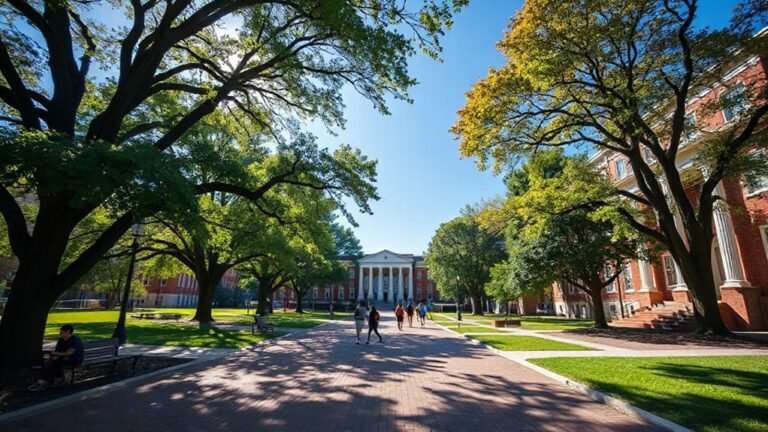
    Campus Area Columbus Tours | Ohio State University Guide

    Quiet quad, booming stadium—you’re about to feel both at once, and yes, it’s mildly disorienting. I’m your guide, I’ll point out the secret mural, the best late-night pizza run, and where alumni trade war stories like trophies; you’ll hear marching band brass one moment and skateboard wheels the next. Walk with me down High Street, breathe in coffee and turf, and we’ll get to the bits everyone forgets to mention.

    Welcome to the Ohio State Campus Experience

    vibrant campus life experience

    If you’re stepping onto Ohio State’s campus for the first time, prepare to be loudly impressed — and yes, I mean loudly. You’ll hear the band practice across the quad, smell coffee from a corner café, and feel old brick under your palm as you trace campus history with a grin.

    I’ll walk you through the vibe: students rushing, laughter ricocheting off buildings, quirky student traditions popping up like confetti. You’ll join a chant, accidentally learn a secret handshake, and taste victory in dollar-slice pizza after late study nights.

    I’ll point out where stories started, give you a wink about campus myths, and drop quick directions so you’re not that lost tourist — yet. Trust me, you’ll want seconds.

    Iconic Campus Landmarks and Architecture

    campus architecture speaks volumes

    Look — start at the Oval and you’ll get the lay of the land fast, because the buildings here talk back.

    You’ll trace marble steps, hear gravel underfoot, and spot a mix of historic buildings and modern lines that wink at each other. I’ll point out favorites, you’ll nod like you knew them all along.

    1. Thompson Library — domed silhouette, shelves that smell like history, perfect for dramatic selfies.
    2. Ohio Stadium — concrete roar, you feel the scale in your chest, it hums on game day.
    3. Orton Hall — fossil-rich stone, grotesques that make me smirk, geology classroom come to life.
    4. Wexner Center — sharp planes, experimental vibes, a splash of tomorrow.

    Different architectural styles meet, argue, then hug. You’ll love that.

    Student Life Hotspots and Neighborhoods

    campus life and hotspots

    While you’re roaming between classes, I’ll steer you toward the real campus heartbeat — the spots where pizza’s still warm, the music leaks onto the sidewalk, and students trade cram tips like contraband; I’ll point out the coffee shops that double as study dens, the green lawns that become impromptu concert stages, and the narrow streets where thrift stores and late-night food carts argue for your attention.

    You’ll find clusters of student organizations meeting in basements and porches, flyers flapping, voices overlapping, everyone recruiting like it’s a friendly coup.

    Walk a block and the scene flips: indie shows, rooftop laughs, nightlife options pulsing under string lights.

    I’ll nudge you into alleys with murals, introduce you, and then pretend I didn’t force it.

    Dining and Coffee Favorites Near Campus

    Because you’ll be spending more time here than in your dorm, you should know where the coffee actually wakes you up and where the pizza forgives your three-a.m. mistakes.

    You’ll find local eateries that feel like secret living rooms, and coffee shops that smell like caramel and hope. I point you to spots I actually go to, no pretense, just good food and stronger espresso.

    1. Short walk, crispy slices, greasy bliss — pizza that owns late nights.
    2. Tiny café, indie playlist, lattes with latte art that tries its best.
    3. Taco counter, bright salsa, cilantro that makes you forgive calories.
    4. Bakery window, warm bread, pastries that mend study-induced despair.

    Trust me, explore, taste, repeat.

    Green Spaces, Trails, and Outdoor Activities

    A green ribbon of parks and paths threads through campus, and I’ll drag you to the best parts — trust me, I know where the trees give perfect shade and where the breeze smells like cut grass and cheap sunscreen.

    You’ll wander through urban parks that feel surprisingly wild, picnic on sun-dappled lawns, and kick a soccer ball like you meant it.

    I’ll point out secret benches, a pond that mirrors clouds, and a hedged garden that smells like mint after rain.

    Follow me onto nature trails that loop quietly near the river, listen for cardinals, watch turtles sun themselves, breathe deep.

    We’ll laugh at my bad bird impressions, sit until shoulders relax, then move on when the light turns honey-gold.

    Transit, Parking, and Getting Around Columbus

    How do you get from a dorm room or coffee shop to the good parts of Columbus without losing your mind?

    I’ll walk you through transit, parking options, and the tiny joys of not circling for an hour. Use public transport when you can — COTA buses hit key spots, they’re cheap, and you can nap on short runs.

    If you drive, scout permit lots and hourly meters early.

    1. Map COTA routes, time your transfer, grab a seat by the window.
    2. Reserve a garage space for events, parking options fill fast.
    3. Bike lanes are comfy, lock your ride to a sturdy post.
    4. Rideshares win late-night, split fares, and call it community.

    Trust me, you’ll get there.

    Practical Tips for Prospective Visitors

    If you’re coming to campus for the first time, bring comfortable shoes and curiosity, because I’ve learned the hard way that cute flats and three-hour walking tours don’t mix.

    I’ll tell you straight: check the calendar, aim for off-peak hours, and scout the best times to avoid tours clashing with classes. Pack a small water bottle, sunscreen, and earbuds for quick podcast breaks.

    Taste campus life: grab coffee, listen to marching band echoes, watch squirrels dart. Ask students one question, not ten—people are busy, and you’ll get a better answer.

    Join a short campus events stroll, snap photos, but also sit on a bench and just watch—those quiet minutes teach you more than a brochure.

    Conclusion

    You’ve seen the landmarks, tasted the late-night pizza, felt the green lawns underfoot. I’ll bet you’re already picturing the orange sunset over Ohio Stadium, the hum of campus at midnight. Walk a little slower, listen—someone’s busking by Thompson, a laughter burst around the corner. Go, explore with a curious grin, get deliciously lost. If you promise to come back, I’ll keep a spot on the bench warm for you.

  • Grandview Heights Columbus Tour | Local Favorites

    Grandview Heights Columbus Tour | Local Favorites

    Did you know over 60% of visitors to Grandview Heights end up coming back for a second meal? You’ll find great coffee, quirky shops, and a surprising amount of green space packed into a few tidy blocks, so plan to stroll, snack, and linger—I’ll point out the best bites, the hidden benches, and the bar with the best playlist, but first you’ll want to know where to park and which café will save your morning.

    Getting to Grandview Heights and Where to Park

    public transit and parking

    How do you even get here without feeling like you’ve joined a scavenger hunt? I’ll admit, I almost turned into a GPS whisperer.

    You can take public transportation—buses run from downtown, they’re predictable enough, and you’ll hear neighborhood chatter as you roll in. If you drive, scan curbside meters and small garages; parking options include short-term lots and a few street spaces, so aim for midweek or early evening.

    Walkable blocks make unloading easy, you’ll smell bakery ovens and hear bike bells. I tell you, stash a parking app, but don’t stress if you circle once—people do.

    Step out, breathe, lock the car, and let the neighborhood lead; I promise it’s less confusing than my sense of direction.

    Morning Stops: Coffee Shops and Breakfast Spots

    caffeine breakfast local charm

    Because mornings in Grandview start with caffeine and a little local theater, you’ll want a plan that’s equal parts efficient and indulgent.

    You’ll hit bright cafes where espresso hiss meets buttery croissant, and you’ll taste current coffee trends—oat lattes, single-origin pours, playful nitro—without the pretension.

    I’ll point you to spots that nail breakfast staples: perfect eggs, crisp bacon, flaky pastries.

    Order at the counter, grab a window seat, watch bikes hum by. Ask for suggestions, they’ll grin and steer you right.

    Sometimes you’ll linger, sometimes you’ll dash to the next street, but you’ll always leave with a warm cup and a smirk.

    Pro tip: try the house jam, you’ll thank me.

    Midday Activities: Boutiques, Galleries, and Vintage Finds

    boutiques galleries vintage treasures

    You’ll leave the coffee shop with a lighter step and a slightly sticky napkin, and then I’ll pull you onto Grandview’s main drag where small storefronts keep secrets better than any guidebook.

    You duck into a sunlit boutique, feel soft fabric, and laugh because you never knew boutique fashion could hug your shoulders like that.

    We’ll pop into a gallery next, colors buzzing, paint smells mixing with new-paper tang, and I’ll pretend to understand the abstract stuff.

    Vintage treasures wink from crowded shelves, metal and lace and postcards with handwriting.

    You’ll try on hats, I’ll make a terrible joke, we’ll haggle with playful smirks, then leave triumphant, hands full, pockets lighter, planning where to show off our finds.

    Green Spaces and Quiet Corners to Explore

    If we want to actually catch our breath, Grandview’s green spots are where I pull you aside and insist on a ten-minute detour that stretches into an hour.

    You’ll wander short nature trails, leaves tapping like tiny cymbals, while I point out a hidden bench and pretend I know the birds. Urban gardens pop up between bricks, fragrant basil and tomatoes leaning toward us like gossiping neighbors.

    You smell damp earth, hear kids distant and a lawn mower sighing, and suddenly time loosens. We’ll sit, trade snack bites, and I’ll make a terrible pun to earn a smile.

    Then we’ll stand, shoulders lighter, ready to rejoin the street’s hum — but not without one last, reluctant look back.

    Evening Eats: Local Restaurants and Neighborhood Bars

    When evening slides in and the streetlights start flirting with the sidewalks, I tug you toward Grandview’s restaurant row like it’s my civic duty — and your stomach’s about to thank me.

    You’ll chase sizzling aromas, hear plates clink, and pick a table that feels like it’s been waiting just for you. Try small plates to share, savor bold flavors, and let the servers guide your dining experiences — they know the secrets.

    Later, duck into a neighborhood bar, order a signature drink, and watch cocktail culture do its smooth, clever thing. I’ll tease the menu, you’ll raise an eyebrow, we’ll clink glasses, and everyone’s suddenly friends.

    Trust me, your night gets tastier by the minute.

    Live Music, Events, and Community Happenings

    After dessert and that last witty sip, I’ll steer you down toward the park-side stage where the town’s heartbeat gets louder — because food is only half the fun.

    You’ll catch live performances under string lights, drums and guitars filling the cool air, neighbors clapping like they invented rhythm. I point out the vendor tents, you sample a savory bite, we trade commentary like seasoned critics with zero credentials.

    Summer brings community festivals, kids chasing bubbles, an announcer joking into a mic, you laughing because I already made the bad pun for you. Sometimes we dance poorly, sometimes we sway, always we leave feeling lighter.

    Stick around late, and you’ll know Grandview by its soundtrack — imperfect, warm, and utterly inviting.

    Conclusion

    You’ll leave Grandview Heights humming, like a favorite song you didn’t know you needed. I’ll say it straight: grab one last espresso, breathe the bakery steam, and stroll past the boutiques one more time — you’ll spot a hidden mural if you look. We laughed, tasted, browsed, and rested on a sun-warmed bench. Go home full, snap a photo, tell a friend, and plan to come back sooner than you think.

  • Easton Town Center Columbus | Shopping & Dining Tour

    Easton Town Center Columbus | Shopping & Dining Tour

    You’re walking into Easton like you own a weekend, coffee in hand and a mental list that’s half shopping, half snacks; I’ll point you to the can’t-miss stores, clever boutiques, and where to grab a burger that actually deserves the hype. You’ll see tech demos flashing, outdoor patios humming, and a dessert case that makes you lie to yourself about dinner. Stick with me—there’s a rooftop spot and a secret sale you’ll want first dibs on.

    Getting There and Parking Tips

    north garages save time

    One quick tip before you pile into the car: aim for the north parking garages if you want to save time, because I learned the hard way that circling the outer lots at noon is cardio nobody asked for.

    You’ll pull into covered rows, breathe easier, and hear less tire-squeal drama. If you’re not driving, hop on public transport — the bus drops you a short, lively walk from the entrances, so you’ll feel like a local and skip ticket-meter panic.

    Park near a landmark, note your section — I slap a mental sticky note on the nearest lamp — then lock up, grab your tote, and stroll toward the promenades.

    Trust me, small choices make the whole outing smoother and happier.

    Must-Visit Flagship and Specialty Stores

    flagship artisan specialty stores

    You’ll want to hit the iconic flagship stores first, those glass-fronted emporiums that smell like new shoes and ambition, where I’ll nudge you toward the best displays.

    Then we’ll zig into local artisan boutiques, touching handmade pottery, hearing the soft clink of jewelry, and snagging gifts you won’t find anywhere else.

    Finally, we’ll pop into specialty lifestyle shops—tea bars, vinyl havens, outdoor outfitters—so you can taste, try, and brag about the finds.

    Iconic Flagship Stores

    Think of Easton’s flagship stores as the place where shopaholic dreams get a deluxe upgrade—I’m talking soaring storefronts, staff who actually know their product, and displays that practically beg you to try something on.

    You’ll spot flagship features like immersive windows, tech-forward fitting rooms, and curated floors that follow current shopping trends, and yes, it’s as Instagrammable as it sounds.

    I guide you past gleaming entrances, I nudge you toward scent bars, I confess I linger by shoe walls. You touch buttery leather, hear soft playlist beats, taste a complimentary soda while a salesperson measures you with friendly precision.

    These aren’t just stores, they’re stage sets for retail theater—big, polished, and oddly comforting, like a favorite show with better lighting.

    Local Artisan Boutiques

    Picture a sunlit shopfront, hand-lettered sign swaying, and me sidling in like I belong—because here’s the thing: local artisan boutiques at Easton feel like someone pressed fast-forward on charm.

    You’ll bump into shelves of handcrafted jewelry that sparkle under warm bulbs, necklaces clinking like tiny congratulations, and you’ll try them on, admire, then buy one because you’re weak for silver.

    Racks hold artisanal clothing, fabrics that smell faintly of dye and adventure, pieces stitched with stories you can almost hear.

    I’ll nudge you toward the counter for a chat with the maker, we’ll trade bad jokes, you’ll walk out with a tote and a treasure.

    These shops make shopping feel human, deliberate, and a little dangerous.

    Specialty Lifestyle Shops

    After we’ve poked around the cozy artisan nooks and swapped a bad joke with a maker, I pull you toward the bigger players—those flagship and specialty shops that give Easton its personality in widescreen.

    You’ll love the way glass clinks, labels smell like promise, and staff greet you like an old friend who knows your size.

    We duck into a store heavy with trendy homeware, I point out a lamp that looks expensive but isn’t, you roll your eyes, we both laugh.

    Other shops brim with unique gift ideas—candles, clever gadgets, socks that declare war on boring.

    Try things, hold them up, pose dramatically.

    Buy one silly treasure, or leave rich with finds, feeling smug and oddly accomplished.

    Best Places to Eat: Casual to Fine Dining

    culinary adventure awaits you

    One bite into a spicy Korean taco at the food hall and I’ll dare you not to grin—chewy tortilla, punchy gochujang, a toothsome crunch that sings.

    You’ll wander from casual dining spots where fries steam and burgers snap, to sleek tables with linen where servers glide and wine breathes.

    I’ll point out a taco stand that slaps flavor, then drag you to a bistro that plates art you almost hate to mess up.

    You’ll savor tang, heat, butter, crisp, all in one afternoon.

    Say yes to shared plates, say yes to solo splurges.

    I’ll gossip about a chef who tweaks recipes nightly, and you’ll leave full, a little smug, already planning your next bite.

    Coffee Shops, Bakeries, and Sweet Treats

    You’ll want dessert before you even decide which coffee to order — yes, I’m that persuasive — because Easton’s pastry cases glare at you like tiny, sugared sirens: glossy tarts, flaky croissants puffed to golden perfection, and cookies that snap when you bite them.

    You wander in, inhale roasted, citrusy beans, and join the local coffee culture ritual: order, wait, savor. Try a latte art heart, watch steam rise, pretend you’re cultured.

    Bakeries here follow dessert trends, offering salted caramel everything, matcha whispers, and gravity-defying layer cakes. Grab a warm bun, sit by the window, people-watch, and I’ll judge you only a little if you take seconds.

    Trust me, your sweet tooth will thank you, loudly and gratefully.

    Family-Friendly Activities and Attractions

    Bring the kids — or borrow some if yours are being dramatic — and you’ll find bright play areas and shady playgrounds where they can burn energy while you sip something strong.

    I’ll point out kid-friendly dining spots with menu wins like mini burgers, colorful pasta, and ice cream that melts just fast enough to be fun.

    It’s easy to mix a relaxed meal and a playground pit stop, so plan for quick bites, lots of laughs, and sticky little hands.

    Play Areas & Playgrounds

    Playtime’s serious business here, and I’m not kidding—Easton’s playgrounds are where kids act like tiny tornadoes and parents secretly cheer. You’ll spot bright slides, splash zones, and shaded benches, and I’ll admit I sometimes race a toddler down a slide — don’t tell.

    The park blends interactive exhibits with hands-on sculptures, so kids poke, push, and learn, while you watch, amused. Maintenance crews keep playground safety front and center, ropes tight, mulch fresh, so you relax instead of panicking.

    Expect laughter, squeaky sneakers, sun on your face, and the occasional heroic rescue of a lost sneaker. I point out features, you pick a spot, we stake our turf, and the afternoon unfolds with playful, loud perfection.

    Kid-Friendly Dining Options

    While the kids chase the last drops of energy around the fountains, I’m already scheming our next move: kid-friendly food that makes everyone happy and doesn’t require a Ph.D. in negotiation.

    You’ll hit spots with picky-pleasing kids’ menus and grown-up choices, where fries crunch, soft tacos steam, and fruit cups glisten like tiny suns.

    Pick restaurants with healthy menus for balance, or treat them—your call, I won’t judge, mostly.

    Sit near windows, listen to the distant carousel music, watch toddlers point at passerby dogs.

    Some places have play zones, so you eat warm pizza while they burn off dessert calories—brilliant.

    You’ll order extra napkins, claim a high chair, and savor a quiet sip of coffee, victorious and slightly sticky.

    Nightlife, Breweries, and Live Entertainment

    If you’re up for a night that hums instead of sleeps, I’ll lead you through Easton’s after-dark scene with the kind of confidence usually reserved for people who’ve misplaced only one drink at a time.

    You’ll hear live music spilling onto the sidewalks, smell hops and pretzels from nearby breweries, and taste clever craft cocktails that wink at you from the bar.

    I’ll point you to spots where the bass is firm, conversation stays possible, and bartenders remember your face—eventually.

    1. Catch a band, dance a little, laugh louder than you planned.
    2. Sample local brews, note the citrus, the roast, the cheeky names.
    3. Sip a signature cocktail, savor the garnish, write a mental postcard.

    Seasonal Events, Sales, and Insider Tips

    Nightlife winds down and the mall lights soften, but Easton keeps its calendar loud — and you can be louder. You’ll catch holiday parades, pop-up markets, and pumpkin patches that smell like cinnamon and ambition, plus seasonal sales that make your wallet both nervous and excited.

    I’ll tell you when to go, where to snag limited-edition bites, and how to beat the crowds — insider tips that sound smug because they work. Text alerts, early-bird hours, and weekday strolls are your secret weapons.

    Hear vendors call, taste hot cocoa that hums, grab a discounted jacket, smile like you planned it. I mess up parking sometimes, you’ll laugh, but the deals? You don’t miss those.

    Conclusion

    You’ll love Easton — I promise. Walk, park, snack, shop; you’ll hit over 200 stores and eateries, yes, 200 — that’s a lot of tasting and impulse buys. I grabbed a latte, sampled a pastry, ducked into a tech showroom, and heard live music spilling into the square. Play tourist for an afternoon, linger for dinner, and leave with bags, memories, and a goofy grin. Trust me, you’ll come back.

  • Scioto Mile Columbus Tours | Riverfront Experience

    Scioto Mile Columbus Tours | Riverfront Experience

    Like discovering Pandora in your backyard, the Scioto Mile sneaks up on you with water, art, and a skyline that winks; I’ll show you the best viewpoints, the murals that beg for selfies, and the little benches where locals sip coffee like it’s a ritual. You’ll hear river stories, paddle past fountains, and spot sculptures that make you squint and smile—stick around, because the best photo op comes when you least expect it.

    Why the Scioto Mile Is Columbus’s Must-See Riverfront

    riverfront attractions and views

    Envision this: you’re standing where the river breathes easy into the city, and suddenly Columbus feels like a small town with big-city swagger.

    You’ll hear water sighing against stone, see joggers glide past, and notice riverfront attractions that pull you along like a magnet.

    I nudge you toward benches with perfect views, where gulls argue and coffee steams in your hands.

    Walk a little, pause a lot, snap photos from scenic viewpoints that make your feed look cinematic without trying too hard.

    I’ll point out bright murals, fountains that flirt with the sun, and a skyline that leans in, curious.

    You’ll leave thinking, not bad for a river—Columbus nailed this one.

    Guided Walks and Historical Insights

    historical walks with insights

    You’ve soaked in the benches, fountains, and skyline—now let me walk you through the stories those stones whisper.

    I’ll lead you on guided history strolls that mix facts with neighborhood gossip, and yes, I occasionally misplace my note card.

    You’ll touch weather-warmed brick, hear ducks argue, smell fryer oil from a nearby vendor, and I’ll point out plaques that wink at forgotten scandals.

    My walking routes loop past monuments, floodplain markers, and a park bench that’s seen more proposals than my dating app.

    We pause, I tell a crooked joke, you laugh or groan, we move on.

    These tours make the riverfront human, messy, and unforgettable — you leave knowing the city’s pulse, not just its skyline.

    Kayak, Boat, and Water-Level Tours

    kayaking boating playful guidance

    Down at water level, I’ll hand you a life jacket and a warning: the river has better comebacks than I do.

    You’ll slip into a kayak, feel the cool splash against your calves, and I’ll talk kayak safety—how to brace, steer, and laugh when you tip (you will, probably once).

    Or choose a quiet boat rentals option, glide under bridges, and smell wet wood and riverweed.

    I’ll point out currents, call out safe lines, and crack a joke when the wind steals your snack.

    You’ll paddle, listen to water whisper, and I’ll narrate tight turns with playful sarcasm.

    Public Art, Parks, and Photo Spots

    We haul the kayaks onto the grass, wring out our socks, and I point you toward the promenade where the city dresses itself up in metal and color.

    You follow, squinting at sparkling river light, and I nudge you to the first public installations — a cluster of gleaming sculptures that catch wind and make little music.

    The parks tuck benches under oaks, smell like cut grass and summer sunscreen. You’ll snap photos on a low wall, pose with a quirky mural, laugh when pigeons photobomb.

    I tease you about your best angles, you pretend not to care. Artistic expressions pop around every bend, bold and friendly.

    We wander, we pose, we hoard images, and the river keeps its secrets, cool and steady.

    Seasonal Events and Special Experiences

    When the seasons flip, the Scioto Mile does a little costume change and I drag you along to see the best parts — festivals, light shows, and weirdly delicious food trucks you didn’t know you needed.

    You’ll smell cinnamon in fall, popcorn in summer, and something gloriously spicy at midnight. I point out the stage for riverfront concerts, we dance like nobody’s watching, then admit we both look ridiculous.

    Seasonal festivals pack the park with color, crafts, and loud laughter. You’ll taste weird pies, hear brass bands, feel lights blink on your face. It’s playful, honest, and loud in the best way.

    • Glitter on your cheeks, sincere strangers smiling
    • Hot cocoa steam, winter lights humming
    • Salsa on your shirt, music in your bones
    • Confetti stuck to guilty shoes

    Practical Tips: Getting There, Tickets, and Nearby Eats

    You’re gonna want a plan before you show up—think where you’ll park, whether you’ll snag a paid lot or gamble on street spots, and how much hoofing you’re willing to do.

    I’ll tell you about ticket options, best times to go for smaller crowds, and what’s reasonable to pay, so you don’t get sticker shock or miss golden-hour photos.

    Oh, and I’ll point out tasty nearby bites you can inhale after the tour, because you’ll be starving and I’m not above bribing you with food.

    Getting There & Parking

    If you’re aiming for the Scioto Mile, plan like a local and expect to walk a little—parking’s available, but the best parts are earned on foot.

    I’ll tell you straight: check public transport first, hop a COTA bus or bike-share if you’re feeling spry, and avoid circling for ages. Look up parking options ahead, garages and metered spots hug the river, some free areas exist a short stroll away.

    • You’ll smell coffee and river breeze, shoulders relax, city noise softens.
    • You’ll claim a bench, watch kayaks cut glass-slick water, feel sun on your face.
    • You’ll grab fries nearby, steam fogs your glasses, laughter bubbles up.
    • You’ll discover a quiet path, pause, and think, “Yep, worth the trek.”

    Tickets, Timing & Costs

    Because I want you relaxed and not hunting for exact change, I’ll say this up front: most Scioto Mile attractions are free, but timing and tiny fees shape the day more than you’d think.

    You’ll stroll parks, hear fountains, and only pay for extras — boat rentals, special exhibits, or a guided river cruise. Check ticket pricing online before you go, because weekend slots fill fast and surprise fees sting like cold water.

    I check tour availability the night before, you should too; call or book apps, get a time that matches golden hour. Bring a little cash, a card, and comfy shoes.

    Eat nearby — tacos, coffee, or ice cream — then savor the skyline as the light softens, satisfied and not broke.

    Conclusion

    You’ll love the Scioto Mile, I promise—walk the river, gape at murals, hop a kayak, taste city breeze, feel spray on your face. One quick stat: over 50,000 people visit the Mile each year, so you’re joining a lively crowd, not a ghost tour. I’ll bet you’ll snap a photo that makes friends jealous. Go early, grab coffee, linger on a bench—this riverfront rewards curious feet and loud laughs.

  • Ohio Statehouse Tours Columbus | Free Guided Visits

    Ohio Statehouse Tours Columbus | Free Guided Visits

    Forty percent of visitors say the Grand Rotunda stops them mid-tour — and you’ll see why the moment you step in. I’m here to walk you through the free guided tours at the Ohio Statehouse, point out the best murals, and tell you the quirky backstories guides love to drop, so you can decide which tour fits your schedule and curiosity. Stick around — there’s a secret doorway I promise you’ll want to find.

    Why Visit the Ohio Statehouse

    civic engagement through history

    Why would you walk past the Ohio Statehouse like it’s just another building?

    You’d be missing marble halls that smell faintly of polish and history, sunlight stabbing through tall windows, and the hum of voices debating ideas.

    I’ll say it plain: this is where civic engagement gets real, not just a headline.

    You’ll touch bannisters worn smooth, listen to guides who turn law into story, and leave with a sharper educational experience than a classroom can promise.

    I nudge you to look up at frescoes, squint at plaques, ask questions—loud if you must, I’ll join in.

    You’ll laugh at my bad jokes, learn something surprising, and feel a small, stubborn pride in being part of the conversation.

    Tour Options and Schedules

    flexible tour options available

    If you’re short on time or brimming with curiosity, I’ve got a tour for you—really. You can pick quick highlights, a full walk-through, or themed specialty tours, and I’ll help you choose. Each listing shows tour duration, so you won’t commit to a marathon by accident.

    Short tours zip through grand halls, you’ll hear echoing footsteps and spot carved stone details; long ones linger in chambers, you’ll lean in to catch stories. Weekend offerings change, weekday times suit commuters, and seasonal schedules shift for holidays and legislative sessions, so check ahead.

    Tours run by upbeat guides, we joke, point, and move briskly. Reserve online or drop in, I’ll say the best times, and you’ll be set.

    What to Expect on the Guided Tour

    guided tour logistics explained

    You’ll start at the grand rotunda, where sunlight pours through the dome and you can practically hear the old marble whispering stories.

    I’ll point out the tour’s highlights—chamber rooms, historic artwork, and the spots that make great photos—while also calling out where you’ll find ramps, elevators, and the best place to sit if your legs start complaining.

    Stick with me, ask questions, and I’ll steer the logistics so your visit’s smooth, pleasant, and worth bragging about later.

    Tour Route Highlights

    One short loop, lots to see—so strap on comfortable shoes, because I’m going to walk you through the highlights the guide actually shows you.

    You’ll enter beneath marble columns, feel the cool echo, and hear the guide crack a joke about legislators’ parking.

    We pause at the rotunda, gaze up at the fresco, and I point out tiny painted scenes you’d miss alone.

    You touch a brass rail, hear footsteps drum, and get visitor insights about secret murals and historic light fixtures.

    The Senate and House chambers gleam, with polished desks and a hush that makes your voice private.

    You’ll snap photos, ask questions, and leave knowing the building’s stories, plus a grin that says, “Worth the stop.”

    Accessibility and Logistics

    Three quick things before we step inside: I’ll tell you where to line up, what sounds to expect, and how to move so nobody trips over a marble column.

    You’ll find clear signage for parking options nearby, but I’ll admit downtown parking can be a puzzle, so allow extra time. If you’re coming by public transportation, buses stop a few blocks away and the routes are listed on the Statehouse website — easy peasy.

    The building’s ramps and elevators are in working order, I checked. Wear comfortable shoes, bring a light jacket, your phone for photos, and your ears — whispered tour chatter mixes with echoing footsteps and soft carpeted creaks.

    Stay close, ask questions, and don’t be the person who blocks the door.

    Architectural Highlights and Artwork

    You’ll step into the Grand Rotunda and feel the cool marble under your hand, the dome towering above like a giant, painted umbrella — I’ll point out the carved details and the light that spills through the oculus.

    You’ll also see historic murals that tell Ohio’s stories in bold colors, and sculptures that practically whisper their own gossip if you stand close enough.

    Stick with me, I’ll name the artists, crack a bad joke about my art-critic credentials, and make sure you don’t miss the best views.

    Grand Rotunda Details

    Step into the Grand Rotunda and I’ll bet your jaw does that small, involuntary drop people get when something’s unexpectedly grand—don’t worry, it’s allowed here.

    You’ll feel the cool marble underfoot, hear footsteps echo, and spot the soaring dome pulling your eyes up like a magnet.

    I’ll point out grand rotunda architecture, the layered columns, the intricate cornices, and how light pours through the oculus, making dust motes dance like tiny showboats.

    I’ll tell you a bit of grand rotunda history, quick and juicy, because timelines bore me and you don’t need every date to be amazed.

    Touch the rail, lean in, ask questions. I’ll joke, you’ll smile, and the space will do the rest.

    Historic Murals & Sculptures

    While you’re craning your neck at the dome, don’t miss how the walls are doing most of the talking—I’m talking murals that span whole bays and sculptures that sit like dignified party guests, all carved and painted to tell the state’s story.

    You’ll smell old varnish, see gold leaf wink, and feel the hush that comes with historic significance. I point out scenes of pioneers, industry, courtroom drama, each brushstroke full of artistic inspiration.

    Get close, you’ll spot tiny faces, tool marks, a painter’s smirk. I joke I’d bribe a statue for secrets, it only stares nobly.

    Your guide will pause, tap a plaque, then whisper a fun fact.

    1. Pioneer murals
    2. Allegorical figures
    3. Relief sculptures
    4. Conserved details

    History and Notable Events

    If you listen close—because I promise it’s worth leaning in—you’ll hear the Statehouse breathe history: limestone that smells faintly of dust and lemon polish, echoing footsteps that once argued law and whispered secrets.

    You trace plaques, touch cool railings, and I’ll point out the rooms where debates shaped Ohio, the historic significance stitched into every cornice.

    You’ll meet stories about notable figures, from reformers to rascals, their portraits glaring or winking from frames.

    I narrate quick scenes: a gavel bang, a hush, a scandalous letter slid under a door. You chuckle, I roll my eyes—together we digest layered pasts.

    Accessibility and Visitor Services

    Because I want you to actually enjoy the tour, not just survive it, I’ll tell you straight: the Statehouse works to be welcoming, and I’ll point out what that really means.

    You’ll feel marble underfoot, hear hushed guides, and spot ramps and elevators—wheelchair access is solid, not an afterthought. Ask at the desk for visitor assistance, they’re friendly, efficient, and human (yes, even on Mondays).

    I’ll cue you to quieter rooms, bright exhibits, and rest spots when your feet complain.

    1. Accessible entrances and ramps for easy arrival.
    2. Elevators, wide doorways, clear signage.
    3. Visitor assistance at the information desk, plus printed guides.
    4. Seating zones, restroom access, and sensory-friendly options.

    Group Visits and School Tours

    Got a group? Bring them in — I’ll help you navigate group dynamics so everyone’s engaged, not bored stiff.

    You’ll see kids craning necks up to the dome, teachers nudging hands toward plaques, you’ll hear whispers and sudden laughs. I’ll book your slot, confirm chaperones, and tailor explanations to grade level, so lessons hit home.

    The educational benefits are real: history comes alive, civics feels practical, and questions fly faster than pigeons on the plaza. You’ll touch marble balustrades, smell coffee from nearby carts, feel the echo of debates in the galleries.

    I crack a few jokes, you keep order — it’s a smooth choreography. Come ready, expect wonder, leave with curious minds and slightly better behavior.

    Tips for Making the Most of Your Visit

    1. Time it: arrive early, beat the crowd, savor light on the dome.
    2. Camera care: follow photography tips—no flash in chambers, steady hands, respectful framing.
    3. Ask one bold question; historians love it, guides brag later.
    4. Snack after, not during; preserves smell and patience.

    Conclusion

    You’ll love the Statehouse, I promise—walk into the Grand Rotunda, breathe in that old‑stone cool, and let the murals whisper history. Take a free guided tour; guides lead 60+ daily sessions, so you’ve got options. You’ll laugh at my bad jokes, nod at real artifacts, and maybe snap a jealous selfie by a sculpture. Go curious, bring comfy shoes, ask questions, and leave knowing Ohio’s story a little brighter—and funnier—than you expected.

  • German Village Vs Short North Tours | Which to Choose?

    German Village Vs Short North Tours | Which to Choose?

    Like a coin with two faces, you get to pick which story to tell—quiet cobblestones or neon murals—and I’ll help you decide; you’ll hear history in German Village, smell wood smoke and fresh pretzels, feel brick underfoot, or you’ll immerse yourself in Short North’s buzz, gallery doors swinging, cocktails clinking, color everywhere. I’ll point out where to linger, where to snap the best shot, and who’ll love each vibe—so tell me: do you want calm charm or electric hustle?

    Why Choose a Walking Tour of German Village?

    charming historical walking experience

    If you want charm served with a side of history, a walking tour of German Village is your best bet — and I say that as someone who usually prefers a good nap to guided chatter.

    You’ll smell baking bread, hear brick whispers underfoot, and I’ll nudge you toward a courtyard where time slows so you can actually breathe.

    You learn about cultural heritage here, small rituals handed down like secret recipes, local traditions that stick to your shoes.

    I’ll point out carved doors, a tucked bakery, a stoop where neighbors trade gossip and rhubarb pie.

    It’s intimate, tactile, real. You won’t just hear facts, you’ll touch them, taste them, laugh at my terrible jokes, then want more.

    Why Choose a Short North Walking Tour?

    vibrant immersive city exploration

    You loved the cozy, brick-and-bread intimacy of German Village — I did too — but Short North slaps a different kind of energy against your face, in the best way.

    You walk into a gallery alley, neon humming, and your local guides point out a mural trick that makes you gasp, not just admire. They drop cultural insights between jokes, quick as espresso shots, so you actually remember them.

    You’ll peer into indie shops, smell roasted coffee, hear vinyl crackle, and the guide’ll nudge you, “Try it,” like a friend daring you to be curious.

    It’s fast, colorful, messy in a charming way, and you’re led, not lectured. You’re part of the city, for a few bright hours.

    Historic Architecture and Sights in German Village

    charming historic german village

    You’re going to like this part, I promise — picture long rows of red brick homes, their stoops warm from the sun, where you can almost hear footsteps from a century ago.

    Walk with me past St. Mary’s Church, whose steeple slices the sky and whose bells make you slow down, and then we’ll spill into Schiller Park, all green lawns, laughing kids, and chestnut trees rustling like they’ve got secrets.

    I’ll point out the little carved doorways and ironwork, you’ll take the photos, and we’ll trade a knowing grin when the neighborhood proves it’s got more charm than it has room for.

    Brick Row Homes

    Walk past the low brick row and you’ll hear the click of heels and the distant hiss of a kettle — it’s that cozy, lived-in sound that tells you this place isn’t a museum, it’s someone’s daily backdrop.

    You stop, tilt your head, and take it in: red-brown bricks, narrow stoops, window boxes like badges. I point out how historic preservation kept these streets honest, not stagey.

    You notice varied architectural styles — Italianate cornices, simple Federal lines, quirks from Victorian hands — every house a small argument about taste. You run fingers along mortar, smell coffee, laugh at a cat that judges you.

    We trade barbs, I drop a useless fact, you sigh, delighted. You leave knowing these homes hold ordinary lives, stubbornly beautiful.

    St. Mary’s Church

    If you think churches are all hush and marble, wait until I show you St. St. Mary’s Church in German Village crackles with stories, and yes, you get to eavesdrop.

    I’ll point out St. Mary’s History, the carved wood, the stained-glass glow that smells faintly of beeswax. You’ll lean in, I’ll grin, we’ll both pretend we don’t take photos like tourists.

    1. Foundation: built by immigrant hands, history you can trace in mortar.
    2. Vaulted interior: listen—your footsteps echo like old hymns.
    3. Stained glass: colors flood the pews at golden hour.
    4. Ornamentation: Gothic flourishes, tiny saints peeking from columns.

    The Architectural Significance is obvious, and you’ll leave feeling politely awed, slightly damp from incense, very satisfied.

    Schiller Park Greenery

    St. roll down your mental map to Schiller Park, and you’ll find lush landscapes that beg you to pause.

    You stroll gravel paths, I point out the oak that leans like it’s listening. Sun warms the brick, you smell cut grass and roast coffee from a nearby bench. I joke about my amateur bird calls, you laugh, then spot a flash of blue—cardinal, bold as punctuation.

    The playground squeaks, couples share sandwiches, and historic homes frame the scene, their bricks telling stories without lecturing. You touch a wrought-iron fence, cool under your palm, and I admit I still get goosebumps here.

    Schiller Park feels lived-in, curated by nobody, perfect for slow wandering, photos, or just pretending you belong.

    Art, Murals, and Galleries in the Short North

    Color hits you first — bright, splashy, impossible to ignore — and I promise you’ll grin like a kid who just found extra dessert.

    You stroll, you stare, you snap photos like it’s a sport. Short North’s mural festivals turn blank walls into block-party-sized paintings, and gallery openings spill chic crowds and wine into the street.

    I point out must-sees, you decide which one steals your heart.

    1. Stop at towering murals, touch the smooth paint (don’t really), inhale spray-can ozone.
    2. Duck into a tiny gallery, whisper to a canvas, pretend you’re cultured.
    3. Catch an opening, clink a plastic cup, hear artists explain their chaos.
    4. Walk alleyways, find secret pieces, grin again.

    Typical Tour Lengths and Suggested Routes

    Because you’ve only got so many hours in a day, I’ll tell you what works: quick pop-ins, relaxed strolls, and full-immersion rambles — pick your vibe.

    If you’ve only got an hour, aim for a tight tour duration: hit three highlights, snap a photo, grab a pastry.

    Two to three hours lets you dawdle, smell coffee, pop into a gallery, chat with a shop owner.

    Half a day? That’s a proper wander — sit, people-watch, linger in a park bench sunspot.

    Full-day rambles let you eat, nap, explore side streets until your feet protest.

    My route recommendations: loop routes that start at a transit hub, zigzag through main streets, then detour down a quieter block for surprise finds.

    Accessibility, Walkability, and Transportation Options

    Feet first: you’ll notice the differences the moment you step out the door. I’ll tell you straight — both feel walkable, but they move to different beats.

    German Village curls narrow, brick underfoot, you smell bakery yeast; Short North hums, wide sidewalks, gallery light and music.

    1. German Village: tight blocks, great neighborhood accessibility, flat strolls, cozy benches for people-watching.
    2. Short North: broader avenues, more crowds, art-lined walks, easier to weave between spots.
    3. Public transport: buses hit Short North more often, streetcar options expand choices, taxis and rideshares serve both.
    4. Mobility tips: bring comfy shoes, check schedules, plan a seat break — your feet will thank you.

    I nudge you to match pace to vibe.

    Best Places to Eat, Drink, and Snack in Each Neighborhood

    Food: I’ll say it plain — you’re about to eat your way through two very different moods.

    In German Village, you’ll follow cobblestones to bakeries that smell like butter and cinnamon, sit under brick arches with a stout in hand, and nibble sausages at family-run spots that feel like local favorites passed down with a wink.

    In the Short North, you’ll hop between art-lined bars, grab craft cocktails that fizz and sting, and split small plates at edgy kitchens serving spicy, inventive bites — hidden gems tucked behind murals.

    You’ll savor soft pretzels and sharp cheeses, photograph neon signs, and overhear witty banter.

    I’ll point you to honest, delicious places, you’ll taste the city, and we’ll both smile.

    Who Will Enjoy German Village Versus the Short North?

    You’ll feel right at home in German Village if you crave brick-lined streets, cozy bakeries that smell like butter and cinnamon, and a slower pace that invites you to stroll and stare.

    If you want loud art, pulsing bars, and late-night gallery hopping, the Short North will grab you by the wrist and won’t let go.

    Historic Charm Seekers

    If you like cobblestone crunch under your sneakers and the hush of brick houses watching over flowering window boxes, German Village is your kind of slow-morning romance; I’ll admit I get a little sentimental stepping past the original bakery, inhaling that yeasty warmth like nostalgia in real time.

    You’ll love historic preservation here, the careful repairs, stories stitched into mortar, and the cultural heritage humming in every porch swing. You move slower, you listen more, you photograph details others ignore.

    Try this checklist:

    1. Trace vintage brickwork with your fingertips, feel the cool.
    2. Peek into restored gardens, smell jasmine and old soil.
    3. Sit at a corner cafe, sip coffee, eavesdrop on local lore.
    4. Compare house plaques, hunt dates, nerd out proudly.

    You’ll leave fuller, oddly softer, and grinning.

    Nightlife and Art Lovers

    You loved the soft-sung history of German Village this morning, and now we’re out after dark, where bricks meet neon—two different moods, same city.

    You’ll find German Village quieter, lamps casting amber puddles, cobblestones humming underfoot; it’s for you if you want cozy live music, hidden courtyards, and a mellow crowd that lingers, not rushes.

    The Short North hits with glitter, a parade of gallery openings, street murals, and late-night crowds who cheer good work and witty banter.

    You’ll chase nightlife hotspots there, pop into pop-up shows, and wink at strangers over provocative canvases.

    I’ll admit I prefer elbowing through energy, you might like whispering beneath porch lights; both feed curiosity, both reward the patient explorer.

    Food and Drink Explorers

    While your fork still remembers the morning’s pastry, let me point you toward two very different appetites:

    German Village feeds slow, deliberate cravings—think wood-fired warmth, chewy pretzels, and low-lit taverns where bartenders know your type of beer before you do—while the Short North blitzes the palate with late-night cocktail labs, buzzing tapas, and neon-lit bar counters that flirt with your name.

    You’ll savor measured culinary delights in brick-lined rooms, slow sips, cozy drink pairings, a nod and a smile.

    Or you’ll chase bright flavors, fizzy experiments, bar banter, and plated fireworks.

    Pick by mood, not ego. I’ve tasted both, spilled one drink, learned humility.

    Decide: comfort stew or electric small plates?

    1. Cozy taverns
    2. Cocktail bars
    3. Pretzels & pastries
    4. Tapas & tapas-style bites

    Tips for Making the Most of Your Walking Tour

    Since crisp air and cobblestones make everything feel more cinematic, I’ll tell you how to get the most out of a walking tour without sounding like your overenthusiastic aunt.

    You’ll want walking tour tips up front: comfy shoes, layered clothes, portable charger, and water. I recommend planning essentials—route, meeting spot, and a backup café—so surprises are charming, not chaotic.

    Walk, but pause, smell bakery heat, touch brick, ask questions. If you’re tired, skip the last loop, buy a pastry, declare it research.

    Chat with guides, they love nerdy questions. Snap photos, then put the phone away; memories beat pixels.

    Be curious, be flexible, have fun, and don’t pretend you’re fluent in German if you’re not.

    Conclusion

    You’ll pick German Village if you want cobblestones, brick rowhouses, and the quiet clink of a coffee cup; Short North if you crave murals, neon, and the buzz of a bar crowd. I’ll admit, I love both — I’m indecisive and blame good food — so go by mood: tranquil history tonight, electric art tomorrow. Walk, taste, pause, snap a photo, then wander again. You’ll know when your feet decide.

  • Columbus Neighborhoods Tour | Explore All Districts

    Columbus Neighborhoods Tour | Explore All Districts

    You’re about to tour Columbus neighborhoods with me, and yes, I’ll point out the best coffee, the weirdest murals, and where to grab late-night pierogis; walk with me through Short North’s neon, smell brick oven pizza in German Village, then swap stories in Franklinton’s gritty studio spaces, and we’ll end—maybe—in a quiet Worthington square that feels like a small town dropped into the city. Stick around, I’ve got a map and a few surprises.

    Short North Arts District

    vibrant art filled district

    Picture a paint-splattered storefront, neon sign buzzing like it’s gossiping—welcome to the Short North Arts District, and yes, you’re about to like it more than you should.

    You stroll past windows, stop, peer in; art galleries pull you like good coffee, bright frames, cheeky sculptures, catalogs you’ll pretend not to buy. The air smells like roasted beans and someone’s spicy street taco, mingling with acrylic and paint thinner, strangely comforting.

    You dodge a bike, laugh, point at a huge street mural, we both agree it’s incredible and slightly smug. You talk to a gallery owner, they wink, drop a local tip.

    You leave with a quirky print, lighter pockets, heavier heart, already planning your next return.

    German Village

    charming historic neighborhood stroll

    You’ll want to stroll German Village’s historic brick streets, feel the uneven warmth under your shoes, and practically taste the past.

    Pop into cozy shops and cafés, grab a pastry that makes you say “worth it,” and I’ll shamefully admit I judge neighborhoods by their coffee.

    Then head for the parks, where kids chase pigeons and you can pause, breathe, and pretend you planned the whole charming day.

    Historic Brick Streets

    When I wander into German Village, the brick streets tap out a slow, old-time rhythm under my shoes, and I never fail to slow down to listen; they’ve got a way of making everything feel a size or two smaller, cozier, like an invitation to notice.

    You follow the curve, you hear the click of heels, the shuffle of dog paws, the whisper of wind through maples, and you can’t help but admire the care: historic preservation signs, careful mortar work, that cobblestone charm everyone brags about.

    I point out quirks, you grin, we compare favorite patches of uneven bricks — yes, they’ve been stepped on by a hundred years of feet.

    It smells faintly of espresso and rain. You breathe easier here.

    Shops, Cafés, Parks

    Three block-long stretches of storefronts make you rethink what “small-town” charm can do inside a city. You stroll past brick facades, smell roasted coffee, hear a barista call your name like you’ve been coming for years, and you grin because you haven’t.

    Pop into boutiques run by local artisans, touch handmade pottery, haggle with your conscience over one more mug. Sit on a park bench, taste lemon pastry, watch kids chase bubbles, feel grass under your sneakers.

    Community gardens tuck themselves into alleys, tomatoes sunbathe, neighbors trade seeds and gossip. I point out my favorite corner café, you roll your eyes, we share a table, and I promise the pie’s worth the calories.

    It’s cozy, lively, and completely addictive.

    Victorian Village & The Hilltop

    victorian charm and community

    Start with a walkable block or two and you’ll think you’ve stumbled into somebody’s scrapbook—ornate brackets, tall bay windows, and porches that beg for lemonade and gossip.

    You’ll spot Victorian architecture up close, paint peeling like confetti, and feel the hush of shade from maples. I’ll nudge you toward a bakery, you’ll inhale cinnamon and butter, we’ll trade knowing smiles with a neighbor pruning roses.

    Then we cross into the Hilltop community, where porches sit lower, stories feel louder, and murals shout local pride.

    You can slow to examine a brick stoop, hear kids play, or order coffee and watch life glide by. It’s cozy, real, and just eccentric enough to charm your socks off.

    Arena District

    Bright lights, hard seats, and a smell of pretzel salt that follows you like a small, devoted dog — that’s the Arena District greeting you, loud and unapologetic.

    You step into a pulse, where Arena Events crank the city’s volume up and you can’t help but join the chant. You’ll feel bass in your ribs, beer in your hand, and the crowd’s breath like wind off the river.

    Sports Culture threads every corner, from jerseys in the bar to high-fives on the sidewalk.

    I’ll point you to late-night food trucks, muraled alleys, and a plaza that’s equal parts rally and rendezvous.

    You’ll laugh, shout, maybe sing off-key — and that’s exactly the plan.

    Old Worthington

    One block of brick storefronts, one crooked lamppost that’s probably older than my sense of direction, and you’ve got Old Worthington — a place that makes small-town charm feel like a deliberate lifestyle choice.

    You wander in thinking you’ll grab coffee, but you stay for stories, because Worthington history seeps from plaques, porches, and the bakery’s cinnamon air.

    I nudge you toward the square, we eavesdrop on a vendor hawking vintage postcards, I joke about my own lost compass, you laugh.

    Seasonal Worthington events fill the calendar, parades and farmers markets that smell like sugar and sun.

    Walkable streets invite lingering, benches beg for people-watching, and the pace tells you to slow down — reluctantly, gladly, with your hands full of pie.

    Clintonville

    You’ll stroll tree-lined streets in Clintonville, where brick cottages whisper history and porches invite you to sit a spell — I’ll brag that I know the best bench.

    You’ll smell fresh-baked bread and coffee from corner cafés, hear clinking forks from cozy diners, and spot indie shops with window displays that make you pause.

    Come on, let’s wander those sidewalks together, peek into a bakery, then pretend we meant to buy something.

    Historic Residential Charm

    Think of Clintonville as a well-loved cardigan — comfy, a little quirky, and full of pockets you didn’t know you had.

    You’ll stroll tree-lined streets, hear leaves crack underfoot, and spot porches where neighbors wave like they’ve got nowhere else to be.

    I point out restored bungalows, Tudor cottages, and Colonial revivals, proof of architectural styles that tell neighborhood stories.

    You’ll notice careful historic preservation — plaques, lovingly repaired trim, paint choices that whisper “we remember.”

    You run a hand along a wrought-iron fence, inhale cut grass and fresh paint, feel the calm.

    I joke about my map-reading skills, you laugh, we duck into a shaded yard.

    It’s cozy, lived-in, and quietly proud, exactly like that cardigan.

    Local Shops & Eateries

    After we linger a beat on those porch steps, I steer you toward the street where the real neighborhood gossip happens — the row of shops that smell like roasted coffee, fresh bread, and something suspiciously like cinnamon.

    You’ll drift past local markets, where a vendor flips a pancake, and you pretend you don’t want three.

    Pop into unique boutiques, shelves humming with odd gifts, vintage jackets, and jars of jam that taste like sunshine.

    I nudge you toward the bakery window, you’ll point, I’ll order—the classic teamwork.

    We duck into a tiny café, the barista winks, steam fogs her glasses, we sip something bold.

    You’ll leave with crumbs, a small bag, and a story you’ll enjoy telling.

    Franklinton

    Franklinton feels like Columbus’s scrappy younger sibling — gritty, loud, and full of surprises, and I’m already a little in love.

    You’ll wander streets where the art scene announces itself in bold, community murals that slap you awake, and studios humming with paint and music.

    You duck into a warehouse gallery, breathe that solvent-and-coffee air, and grin because something smart and messy spoke to you.

    You’ll hear locals trading jokes, get nudged toward a popup with amazing tacos, and watch street artists sketch on ladders like it’s the most natural thing.

    I’ll admit I’m biased; I keep coming back, boots dusty, camera ready, pretending I discovered it first — but you’ll forgive me.

    Italian Village

    You’re stepping into Italian Village with your shoes still warm from the riverfront, and I’ll point out the brick row houses that whisper its immigrant history while we sniff espresso from a corner cafe.

    Taste is the tour here—grab a slice, let the garlic and oregano hit you, then look up at ornate cornices and rounded windows that double as neighborhood trophies.

    I’ll tell quick stories about who built these blocks, where to eat like a local, and which landmarks make great photos—no boring lectures, just good food and better views.

    History and Origins

    If you listen close, you can almost hear the clink of forks and the hum of Italian spoken in the doorways, because Italian Village didn’t just appear overnight—it grew, stubborn and flavorful, from families who rolled up their sleeves and stayed.

    You’ll notice Columbus history stamped in brick, the neighborhood origins tied to waves of immigrants, and settlement patterns that shaped narrow streets.

    You smell laundry, hear children, see porches alive with stories.

    Community evolution shows in restored homes, side-by-side with historical landmarks that nod to the past.

    Demographic changes ripple through parks and markets, cultural influences fold into festivals, and architectural heritage keeps you guessing which porch came first.

    You grin, you linger, you learn.

    1. Settlement patterns and migration
    2. Architectural heritage highlights
    3. Community evolution over decades
    4. Cultural influences and landmarks

    Dining and Eateries

    When I say Italian Village smells like dinner, I mean it—garlic sizzling, tomatoes simmering, fresh bread cracking under your fingers. You wander in, follow steam and laughter, and pick a table where the light hits your plate just right.

    You’ll find cozy trattorias, playful bistros doing farm to table proud, and espresso bars that pretend to be quiet but aren’t. Servers joke, you nod, you order more. Street carts join the chorus on weekend nights, and food festivals turn sidewalks into a buffet you didn’t know you deserved.

    Taste is honest here, simple techniques, bold ingredients. Go hungry, bring friends, leave with sauce on your chin and a plan to come back tomorrow.

    Architecture and Landmarks

    Brickwork tells the story here, and I’m happy to read aloud.

    You’ll stroll past stoops worn smooth, catch sunlight on cornices, and I’ll point out where modern design nudges old brick, like a polite argument.

    You smell roasting coffee, hear distant laughter, and you’ll trace Victorian cornices with your eyes, not your hands—trust me.

    1. Know the landmarks: the old church, muraled warehouses, and a clock tower that ticks like a metronome.
    2. Spot architectural styles: Italianate brackets, Federal symmetry, and sharp modern design inserts.
    3. Touchpoints: sidewalk plaques, wrought-iron gates, and a corner cafe with red awnings you’ll remember.
    4. Map it: I’ll lead, you’ll follow, we’ll pause for photos and one dramatic sigh.

    Grandview Heights

    Think of Grandview Heights as Columbus’s compact, well-dressed cousin who shows up with a tote of craft beer and a confident smile.

    You’ll stroll tree-lined streets, catch community events in the square, and bump into neighbors who actually say hi.

    I point out local parks where kids chase frisbees, picnic blankets scent the air, and weekend family activities fill the calendar.

    The historical significance peeks from preserved brick facades, tasteful plaques, and a few proud old porches.

    You’ll spot a lively art scene — murals, pop-up galleries, and a gallery owner who sells you a print while recommending tacos.

    Dining options range from casual bites to date-night plates.

    It’s small, stylish, and full of neighborhood charm; you’ll want to stay.

    Upper Arlington

    If you like tidy lawns, tree-canopied streets, and the kind of Sunday morning calm that makes you lower your voice, Upper Arlington will feel like someone organized a really nice picnic and forgot to tell you it was happening.

    You’ll stroll paths at Upper Arlington parks, smell cut grass, hear kids shout from playgrounds, and think, yeah, this is neat. You’ll notice homes with porches, neighbors waving, and a rhythm that whispers “stay awhile.”

    Upper Arlington schools show up in conversations, you’ll spot backpacks, and academic pride sits next to local coffee. I’ll point out the highlights, you’ll take the walk, and we’ll both pretend we don’t already want to move in.

    1. Tree-lined avenues
    2. Community greens
    3. Strong schools
    4. Local cafés

    Conclusion

    You’ve met the neighborhoods, now go taste, touch, and talk your way through them — I’ll bet you’ll find a favorite in the first block. Take a breath of Short North air, crunch a German Village brick underfoot, snag a patio seat in Italian Village, then wander Franklinton’s murals until your phone dies. Remember, “variety is the spice of life.” I’ll be here when you want another lap—maps ready, coffee in hand.

  • Franklinton Columbus Tours | Arts & Culture District

    Franklinton Columbus Tours | Arts & Culture District

    Like wandering into a Banksy sketch that learned to brew coffee, you’ll find Franklinton’s streets loud with color and strangely polite. I’ll walk you past murals that shout and alleys that whisper, point out studios where clay still smells of kiln, and nudge you toward a bar where the tap list doubles as local history; you’ll hear artists swap stories, taste stout that’s proud but not arrogant, and leave wondering whether you came for the art or the company—so stick around a minute.

    What to Expect on a Franklinton Columbus Tour

    vibrant artistic neighborhood exploration

    If you’re picturing a sleepy neighborhood tour, think again — Franklinton hits you with color, clanging galleries, and that unmistakable scent of coffee and sawdust the minute you step off the curb.

    You’ll get a quick primer in Franklinton history, but not a dusty lecture; expect lively stories about floods, rebirth, and stubborn artists who turned warehouses into playgrounds.

    You’ll wander alleys, duck into studios, sample a local roast, and hear tour highlights from guides who know the shortcuts and the best photo ops.

    I’ll point out odd details, crack a joke when you need it, and nudge you toward a hidden courtyard.

    Bring comfy shoes, curiosity, and a readiness to be pleasantly surprised.

    Must-See Public Murals and Street Art

    vibrant murals ignite senses

    Three murals will stop you dead in your tracks, and that’s just the warm-up.

    You’ll stroll corners where color bellows, paint smells faintly of fresh work, and your phone camera gobbles frames.

    I point out pieces that thrum with local stories, you lean in, squint at tiny signatures, notice bold mural techniques—stenciling, rollers, spray fades—that give each wall its voice.

    Street art here isn’t polite; it high-fives your senses, then tells a joke.

    You trace textures with your eyes, count layers, hear distant traffic like percussion.

    I’ll nudge you toward a rooftop piece, you’ll gasp, then joke about my taste.

    We linger, snap a portrait, compare notes, then move on—satisfied, slightly paint-splattered, already craving the next wall.

    Local Galleries, Studios, and Maker Spaces

    creative community and collaboration

    While you’re still coming down from the mural high, I’ll pull you into a rabbit warren of galleries, studios, and maker spaces where the air smells like coffee, oil paint, and sawdust—a strangely attractive combo—because Franklinton’s creative scene refuses to be polite.

    You wander in, I point out a neon sketchbook on a windowsill, you touch a clay bowl still warm from the wheel, we trade jokes with a painter wiping charcoal off her knuckles.

    Local artists pop up in tiny rooms, open studios, shared benches, they’ll invite you to try a brush, or critique a draft, blunt and kind.

    Creative collaborations happen over soldering irons and cheap pizza, and you leave with a postcard, a smudge, and a new friend.

    Unique Performance Venues and Event Spaces

    You’ve smelled the paint and heard the wheel hum, and now I’m dragging you down the block where the noise gets louder and the lights get stranger.

    You duck into converted warehouses, feel bass through the floorboards, and grin because these alternative venues refuse to be polite. I point out a black-box theater squeezed next to a metal shop, we slip into a rooftop deck where a poet reads beneath string lights, and you clap like you mean it.

    You’ll find pop-up stages, courtyard raves, and tiny rooms hosting community performances that feel personal, raw, and unpolished in the best way.

    I nudge you toward late shows, hand you a flyer, and whisper, “Trust me, this is where it happens.”

    Coffee Shops, Breweries, and Local Eateries to Visit

    If you follow my lead, you’ll hit a loop of sanctuaries where coffee steam fogs your glasses, taps sing brass notes, and fryers pop like applause.

    I steer you into snug cafes where coffee culture hums — beans ground, milk steamed, laptops tapping — and you breathe in chocolate and citrus.

    Then we duck into breweries, where local brews pour amber and dark, you clink glasses, I joke about my clumsy toast, and we taste hops that smell like pine and summer.

    Street tacos sizzle nearby, a bakery sends warm bread like a hug, and a diner flips pies under neon light.

    You sample, I narrate, we trade grins.

    Come hungry, leave caffeinated, slightly tipsy, very satisfied.

    Stories of Franklinton’s Industrial Past and Revival

    You’ll feel the weight of Franklinton’s factory-era foundations under your boots, hear the ghostly clank of machinery in the bones of brick buildings, and wonder how places that smelled of oil and sweat now hum with paint and ideas.

    I’ll point out bold adaptive reuse projects, where warehouses shed grime for glass and studios, and we’ll stop at a converted loft so you can cup your coffee and watch artists at work.

    Trust me, the arts-driven economic revival here isn’t just a hashtag — it’s a neighborhood that patched its wounds with creativity, grit, and a stubborn sense of style.

    Factory-Era Foundations

    Smokestacks and grit greet you like old friends when I walk into Franklinton’s factory district — the air smells faintly of oil, hot metal, and coffee from a place that still does lunch right.

    You step under brick arches, run fingers along peeling paint, and notice factory architecture that bragged about strength and now brags about stories.

    I point out rivets, tall windows, freight doors, and the way light slices through dust — it’s tactile history, you can almost hear the machines.

    We talk about historical significance, then I tease you for asking obvious questions, you laugh, I keep going.

    You imagine workers, grit-streaked faces, and river haul; you touch a rail, feel the past, and nod like you already knew.

    Adaptive Reuse Projects

    Want to know what happens when a coal-black warehouse gets tired of being just a warehouse?

    You walk inside with me, you smell sawdust and espresso, you see brick warmed by string lights, and you grin because adaptive reuse turned rust into riches — well, into studios and a bike repair nook.

    I point out a mural, you touch cool steel, we laugh at my bad directions.

    Creative spaces hum here: glass-blowing clinks, printers whirr, a potter sings to her wheel.

    You grab a flyer, I snag a coffee, we trade nods with a sculptor who borrowed a welder.

    It’s gritty, bright, honest, and unapologetically inventiveold bones, new heartbeat, and you’re invited.

    Arts-Driven Economic Revival

    If you walk these streets now, you’ll hear the clink of a glassblower’s pipe and the low rumble of a printing press where freight trains once roared, and I promise you, the change smells like coffee and sawdust more than oil.

    You wander in, I nod, we both grin at murals that used to be soot. Artists set up shop in old warehouses, artistic entrepreneurship sparking studios, cafes, tiny galleries.

    You touch a reclaimed beam, it’s warm. Cultural investments rewired infrastructure, brought jobs, and yes, hipsters, but real makers stay.

    I point to a neon sign, you roll your eyes, then buy a poster. The place hums with possibility, history polished into craft, and frankly, it’s suddenly fun to be here.

    How to Meet Artists and Join Community Events

    When I wander down West Broad, I’m on high alert for paint-splattered shoes and people who smell faintly of espresso and enamel — that’s how you spot an artist in Franklinton.

    You’ll find artist meetups in converted warehouses, galleries, and rooftop patios; I crash them like a polite spy, introduce myself, and ask what they’re making. Say hi, trade a story, offer to help install a piece.

    Community workshops pop up every weekend — clay, screen printing, zine-binding — join one, get messy, leave with a new friend and ink on your fingers.

    Listen more than you speak, bring snacks, and follow local socials for pop-up alerts. If you’re shy, bring a dog or a bold question. It works, trust me.

    Practical Tips for Planning Your Franklinton Visit

    You’ve said hi, traded paint stories, and left with ink on your fingers — now let’s get you there without a sweat.

    I’ll tell you how to plan smart, so your Franklinton visit feels like a curated playlist, not chaos. Consider transportation options, bring layered clothes — weather considerations change fast here — and pack a small tote for finds.

    1. Walk cobblestone alleys, hear boots click, smell coffee roasting.
    2. Hop a bus or rideshare, count on easy stops, save cash for snacks.
    3. Ride a bike, feel wind, lock it near murals, take a selfie.
    4. Check event calendars, RSVP, show up early, grab front-row vibes.

    You’ll arrive calm, curious, and ready to chat.

    Conclusion

    You’ll stroll past murals that shout color, sip coffee that hums warmth, and overhear artists trading barbs like old friends — I’ll nudge you toward the good stuff. Think of Franklinton as a small Metropolis, cape optional: gritty history, sudden beauty, people doing brave things. You’ll leave with paint on your shoes, a new favorite playlist, and a story that outlives your selfies. Go, get lost, and come back with something real.

  • Italian Village Columbus Walking Tour | Hidden Gems

    Italian Village Columbus Walking Tour | Hidden Gems

    A lone lamppost might be the neighborhood’s secret handshake, flickering you into place as you step off the park path — and I’ll bet you’ll want to follow it. You’ll smell espresso before you see the café, hear porch swings and distant laughter, and I’ll point out a mural that’ll make you stop and grin; we’ll duck into an alley that hides a sunlit garden, argue about the best slice, and end up where vinyl spins and pints clink — but there’s one tiny doorway I’m saving for last.

    Start at Goodale Park and the Victorian Rowhouses

    charming park and architecture

    Goodale Park greets you with wide lawns and a pond that glints like someone polished it for the weekend; I like to pretend it was waiting just for us.

    You stroll in, breathe fresh-cut grass, hear ducks argue like old neighbors, and I point out the park history with a grin — it used to be a grand public square, and yes, trees have better gossip than most folks.

    Turn your head, there’s Victorian architecture staring back, lacey porches and brick that refuses to look old. You’ll trace ironwork with a fingertip, imagine parties and parades.

    I joke about my terrible directions, you laugh, we move on slowly, savoring stones, sunlight, that polite city hush before the next café.

    Coffee and Pastries on North Fourth Street

    coffee pastries friendly atmosphere

    We peel away from the park’s polite hush and head north, feet leading us toward Fourth Street where the air starts to smell like roasted beans and butter.

    You duck into a tiny shop, the bell jingles, and the barista greets you like an old friend you haven’t yet embarrassed. You order artisan coffee, hot and unapologetic, black if you’re brave, milky if you’re not.

    Steam fogs your glasses, you inhale espresso and cinnamon, life improves.

    Pastry culture reigns here: flaky croissants, jam-stuffed brioche, a savory slice that makes you reconsider dinner plans.

    We share a bench, trade bites like contraband, and plot our next move.

    I crack a joke, you laugh, crumbs everywhere — perfectly civilized chaos.

    Mural Walk: Public Art Between Oak and Buttles

    colorful community art walk

    If you follow the sidewalk from Oak toward Buttles, you’ll hit a sudden, colorful conspiracy: murals sneaking up on brickwork, alleyways dressed like galleries, and a radiator humming under a painted sky.

    You’ll slow, you’ll grin, you’ll point. I tell you which panels stop me: a grandmother’s hands, a bicycle frozen mid-pedal, a fox wearing a tiny crown.

    The mural significance hits quick — history, pride, a wink at tomorrow. You can touch the paint, not because you should, but because it feels inviting.

    Neighbors wave from porches, artists chalk signatures on curbs, and you overhear a joke about townies becoming models.

    It’s public art, it’s lived-in, and it’s proof community engagement can be loud and lovely.

    Historic St. Mary Church and Surrounding Architecture

    You peel away from the mural alley, still smiling, and there it is: St. Mary’s steeple, tilting sunlight like a cue. You pause, breathe, the stone smells faintly of rain and old hymns.

    You trace St. Mary architecture with your eyes — Romanesque arches, brickwork that talks, stained glass catching a promise of color. You duck under the gateway, fingers brushing iron cold as history, and you feel the past press friendly and firm.

    I crack a joke about kneeling, you laugh, we keep walking the perimeter, noting plaques that shout historical significance without sounding stuffy.

    You snap a photo, listen to a distant bell, and leave feeling steadier, like the neighborhood just handed you a small, useful map for remembering.

    Boutique Shopping on West Fifth Avenue

    A little bell over a shop door jingles like it’s announcing our arrival, and I’ll admit—I’m already on the lookout for something I don’t need but absolutely want.

    You pull me toward display windows stacked with scarves, notebooks, and ceramics, the light catching glaze like tiny suns.

    We duck into a bright shop, breath fogging slightly, smell of coffee from next door sneaking in. Local boutiques line West Fifth, each window a promise of unique finds, and you nod when I pick up a hand-thrown mug that feels just right.

    The owner jokes, I haggle with my conscience, we leave with a paper bag and a grin.

    Walk on, there’s always another shop calling our names.

    Lunch at a Local Trattoria or Backyard Garden Spot

    My stomach speaks louder than my shopping habit, so I steer us away from the last boutique with the smugness of someone who knows where the good pasta hides.

    You follow, curious, nose already tracking tomato and garlic. We slip into a sun-dappled trattoria, where the chef brags about local ingredients and the waiter winks like he knows our order.

    Outdoor seating hums with neighbors, clinking glasses, a dog begging under a table. You taste the first bite, and I watch your face for offense—none. Fresh basil, chewy rigatoni, a sauce that refuses to be polite.

    We trade jokes about calorie counting, then agree to ignore it. Conversation flows, forks move, the city slows. Lunch becomes the kind of memory you want to bookmark.

    Hidden Alleyways and Courtyard Gardens

    Cobblestones, narrow as a whispered secret, pull us off the main drag and into a quilt of alleys where sunlight sifts like tea through a strainer.

    You duck under a low arch, I mutter about poor posture, and we find tiny courtyards tucked like postcards between brick faces.

    You’ll spot potted herbs, creeping ivy, a café chair sleeping in the sun.

    These secret pathways lead to hidden treasures: a mural half-hidden, a fountain that speaks in drips, a bench that insists you sit a minute.

    You trace ironwork, smell tomato vines, hear a distant bicycle bell.

    I point out a doorway, you peek, we grin.

    It feels private, lived-in, like the neighborhood handed you its softest secret.

    Evening Drinks and Live Music at a Neighborhood Taproom

    Warm light spills from the taproom like an invitation you can’t politely refuse, and you follow it in because that’s what you do on a good night.

    You hang your coat, inhale roasted barley and citrus, and claim a stool like you own it — you don’t, but attitude helps. The bar’s lined with brass, chalkboard taps list local craft beer, and a bartender winks when you ask for a recommendation.

    Live performances start soft, guitar up close, then burst; you lean in, you laugh, you clap off-beat because rhythm isn’t your strong suit. Conversations orbit like friendly satellites, someone offers fries, you accept.

    The soundtrack is human, the lighting forgiving, and by last call you feel like you belong, almost intentionally.

    Conclusion

    You’ll leave Italian Village smelling espresso and basil, pockets a little lighter, heart a lot fuller. I’ll bet you’ll linger at a mural, fingers sticky from pastry, smiling like a tourist who just found a secret map. Walk the alleys, peek in courtyards, sip at a taproom as twilight paints the brick—this neighborhood hums like a friendly jukebox. Go, get pleasantly lost, and bring a friend who’ll thank you later.

  • Victorian Village Columbus Tour | Historic Homes Guide

    Victorian Village Columbus Tour | Historic Homes Guide

    A gaslamp flickers at the corner of memory and you step into Victorian Village like a curious time traveler—you’re welcome. I’ll point out cornices you’ll want to touch, mansions that gossip through stained glass, and cozy row houses that hide grand stories; I’ll admit I sometimes get distracted by carriage-house doors. Stick with me a bit, and you’ll learn which porches are worth a linger and why some bricks still sigh.

    History and Early Development of Victorian Village

    victorian village s bustling charm

    If you wander down Neil Avenue on a sun-washed afternoon, you can almost hear the clatter of carriage wheels and the murmur of neighbors trading gossip — that’s because Victorian Village grew out of exactly that kind of noisy, buttoned-up bustle.

    You’ll notice how Victorian influences show up in the street rhythm, the porches where folks once tipped hats, and the gaslamp imagination that still colors the blocks.

    I’ll point out where early residents, merchants and lawyers set up shop, planting trees and social rituals you can almost smell — coal smoke, horse hay, fresh bread.

    Walk with me, listen close, and I’ll nudge you to the corners where stories gather, supply a grin, and admit I’m biased toward charming decay.

    Architectural Styles and Signature Details

    architectural details and charm

    You’ll notice the gingerbread trim and carved brackets first, they practically grin from porches and bay windows, begging you to touch the wood grain and trace the patterns.

    I’ll point out how mansard roofs, steep gables, and ornate turrets give each house a distinct silhouette, casting dramatic shadows and knocking the skyline into little theatrical scenes.

    Stay with me, and we’ll compare cornices and cresting like costume details, I’ll crack a joke about my own cluelessness, and you’ll start seeing the neighborhood as a parade of personalities.

    Victorian-era Ornamentation

    While I’m not promising you’ll suddenly start spotting gingerbread trim in your dreams, stroll close enough to a Victorian porch and you’ll hear its story in the wood’s tiny sighs and the crisp shadow of a spindle—ornamentation here isn’t just decoration, it’s a loud, proud signature.

    You’ll lean in, squint, trace ornate facades with your eyes, and catch decorative motifs that wink like secret punctuation. You touch a turned baluster, feel the grain, smell old paint and rain.

    I’ll point out friezes, brackets, and medallions, you’ll nod, pretend you knew all along. We trade quips about excess, I mock my own taste, you admit you love the fuss.

    These details talk—listen closely, they gossip about craft, wealth, and bold afternoons.

    Rooflines & Silhouettes

    Something about a house’s roof is like its headline—bold, dramatic, and impossible to ignore. You’ll tilt your head, squint, and decide whether that cresting gable is flirting or feuding with the sky.

    I point out roofline variations, you nod, we both feel smarter. The silhouette impact is immediate; it frames the porch, shadows the sash windows, whispers stories.

    1. Steep gables — sharp, theatrical, they slice clouds and demand attention.
    2. Mansards — squat and elegant, they hide extra rooms like a magician’s pocket.
    3. Turrets & towers — vertical punctuation, they proclaim eccentricity, invite imagination.
    4. Dormers & eaves — subtle, practical, they soften edges and catch light.

    Walk with me, look up, judge politely.

    Notable Mansions and Their Stories

    mansions stories architecture secrets

    You’re about to stroll past the grandest houses on the block, and I’ll point out who built them, why they mattered, and which quirks still whisper through the halls.

    Run your hand along the carved banister in your mind, notice the stained glass winking in sunlight, and ask me which mansion hid a speakeasy — I’ll tell you with relish.

    Stick close, I’ll throw in the architectural highlights, the scandalous footnotes, and a neat one-liner when the tour gets too proper.

    Prominent Mansions’ Histories

    If you want to know why these Victorian mansions still draw gawkers, let me walk you through a few that refuse to stay quiet.

    You’ll feel the rumble of footsteps on worn stairs, smell old wood and pipe tobacco, and hear neighbors swap gossip like currency.

    I point out mansion ownership changes, note each house’s historical significance, and toss in a sarcastic quip when a butler would be convenient.

    1. The Gilded Hill: built by a railroad magnate, later a school, now private — secrets in the attic.
    2. Marlowe House: heiress parties, Prohibition stashes, restoration that sings.
    3. Eastwood Manor: political salons, quiet betrayals, portraits that stare.
    4. Lockridge Place: factory fortune, donated wing, a gardener who knows everything.

    Architectural Highlights

    We’ve talked about who lived behind these doors and the gossip that stuck to the wallpaper; now let me show you what made them worth building in the first place.

    You’ll notice Victorian influences everywhere: steep gables, ornate trim, and stained glass that throws tiny rainbows across the foyer.

    Walk up the creaky steps, run your hand along carved banisters, inhale old wood and lemon polish.

    Each mansion flexes architectural diversity—Queen Anne turrets sit beside Italianate brackets, brickwork patterns wink at you.

    I point out a widow’s walk, you squint at a hidden carriage entrance, we both grin at an absurdly long porch that begs for lemonade.

    It’s showy, subtle, theatrical, honest—these houses tell their own juicy stories.

    Row Houses, Carriage Houses, and Adaptive Reuse

    Though the row houses march down the street like a politely stubborn line of sentries, they’re anything but stiff; I stroll past their stoops, tapping my cane (imaginary, for dramatic effect), and I swear you can hear history humming through the brick.

    You’ll notice varied row house designs, narrow facades, ornate cornices, and windows that wink at you. Behind them, carriage house conversions hide modern warmth—kitchen light spills, hardwood that remembers horses, insulation pretending it always belonged.

    You get the charm, the clever reuse, and the surprise of contemporary life tucked into old bones.

    Consider these scenes:

    1. A tight façade widening into airy rooms, clever space tricks.
    2. Exposed brick, new plumbing, lived-in glow.
    3. Garden courtyards, private, fragrant.
    4. Lofted carriage house conversions, tall ceilings, big windows.

    Prominent Architects and Influential Residents

    Picture a stout, horn-rimmed architect striding down Perry Street, blueprints under one arm, cigarette—never lit—tucked behind an ear; that’s how I like to imagine the minds who shaped Victorian Village, and you’ll spot their fingerprints everywhere if you know where to look.

    I point out cornices, you squint up, we trade guesses. Prominent architects left clever quirks: a bow window that winks at noon, a bracket that looks like a laughing face. Influential residents added soul, hosting salons, running businesses, changing the block’s hum.

    You’ll hear their names in plaques, feel them in door knockers polished by decades of hands. I joke that these houses collect personalities like stray cats, and somehow, you want to pet every one.

    Preservation Efforts and Neighborhood Revival

    When preservation came knocking—actually, it rattled the storm door like a neighbor with a casserole—you could feel the block hold its breath.

    You step into the mix, hands dusty, heart steady, watching volunteers scrub cornices and argue over paint swatches like it’s high art and family dinner.

    You hear laughter, the scrape of ladders, the satisfying clack of reclaimed brick.

    1. You join community engagement meetings, bring coffee, listen, make decisions together.
    2. You sign petitions for historical preservation, file forms, celebrate small wins.
    3. You tour rehabbed porches, touch railings, snap photos for proud neighbors.
    4. You pitch in on cleanup days, fry up burgers, swap stories, keep the revival real.

    Self-Guided Walking Route and Map Highlights

    If you like wandering with purpose, I’ve mapped a loop you’ll actually enjoy—no tour guide’s microphone, just your feet and a phone (and maybe a coffee).

    You start at Victorian Row, where brick smells faintly of rain, and I’ll point you to picture-perfect porches, manicured hedges, and ironwork that begs to be traced.

    Follow my self guided exploration route clockwise; it’s about 1.5 miles, gentle hills, plenty of benches.

    Tap the interactive map on your screen, watch pins pop, read my quick notes, and choose detours when a doorway calls.

    I’ll warn you about a steep step, joke about my sense of direction, and nudge you toward a shady tree for a breather.

    Simple, lively, mapped.

    Tips for Photography and Seasonal Visits

    Although light changes faster than my sense of direction, I’ll show you how to catch Victorian Village at its most photogenic without turning the stroll into a production shoot.

    I’ll point out simple photography techniques, timing tips, and when to lean into seasonal events that dress the streets in magic. You’ll feel the brick warmth, hear leaves underfoot, and know when to whisper, “perfect.” I fuss so you don’t.

    1. Shoot golden hour, backlight façades, use shadows for drama, and bracket exposures.
    2. Visit during spring blooms or holiday parades, blend crowds into context, not clutter.
    3. Pack a small tripod, wide lens, and a spare battery, keep hands warm.
    4. Respect private property, smile, ask before close-ups, be curious, not intrusive.

    Conclusion

    You’ve wandered Victorian Village with me, seen gingerbread trim up close, smelled peat-smoke (don’t ask), and heard creaky porches whisper stories. You’ll spot mansions, row houses, carriage houses, each with a personality. Take photos, tip your cap to preservationists, respect lawns. I’ll brag I knew a secret staircase—then sheepishly admit I was just following a cat. Go, explore, savor that lived-in history, and call me when you need a redo.