
You’ve got front-row tickets to the stretch: Huntington Park buzzes, beer fizzes, and the scoreboard makes your heart skip; I’ll admit I’m a little nervous, too. You’ll watch starters battle tired lineups, rehabbing big-leaguers jog the bases, and a prospect suddenly crush a pitch into the right-field gap — crowd roars, you grin, high-five a stranger. Stakes tighten, managerial choices bite, and every game feels like a playoff; stick around, because the next series might decide everything.
Team Outlook Entering August

Even though the calendar’s flipped to August, I’m not panicking — yet — because this Clippers squad still smells like opportunity: fresh-cut grass, hot pretzels, and that faint tang of late-summer pressure.
You watch them warm up and you know something’s clicking; team chemistry isn’t a stat, it’s how they joke in the dugout, slide into bases, and cover for mistakes.
You notice player development in small things — a steadier throw, a calmer at-bat, a pitcher’s tweak that actually works.
You shrug, grin, and think, “Okay, we might be onto something.”
You want excitement, not hype, and this feels earned.
Key Home Matchups to Watch

You’re going to want to watch the pitching matchups, because when their ace toes the rubber the whole park leans in and you can almost taste the leather and pine tar.
I’ll point out the key offensive threats you should boo or cheer at the top of your lungs, and we’ll see how their bats line up against tough arms.
Then we’ll test the bullpen depth — late innings, heart-rate spikes, and my nervous pacing in the stands — to see who holds and who folds.
Pitching Matchup Impact
When the Clippers take the mound at Huntington Park, the pitching matchups are the secret sauce that can make a good night feel electric or leave you squinting at the scoreboard wondering what went wrong, and I’m here to point out which duels matter most.
You’ll watch arm angles, pitch sequences, and breathing between batters. I’ll call out pitching strategies and matchup advantages, the fastball-slider scripts that shut crowds up, the sinker work that eats bats, the lefty-righty chess moves that confuse hitters.
You can feel the seam on a heated pitch, hear leather smack, see coaches whisper signals. Pay attention to bullpen readiness, how starters handle traffic, and which reliever’s heater wakes the neighborhood.
I’ll cheer, grumble, and keep it real.
Key Offensive Threats
Alright — let’s talk offense, because the Clippers’ bats are the reason Huntington Park gets loud enough to rattle your peanuts.
You’ll watch lineup balance, the chase for offensive consistency, and a parade of guys who don’t just hit, they make the whole park lean in.
Picture crisp contact, cleats digging into dirt, and balls kissing glove leather before sneaking through gaps.
You’ll love the power hitters, the ones who clear fences and change the scoreboard with one swing, but don’t forget the guys who bunt, steal, and grind for one more pitch.
I’ll call out matchups that matter, point to hot streaks, and crack a joke when we need one.
You’ll leave knowing who can win a series.
Bullpen Depth Tests
You’ve loved the pop of the bats, now watch how the game gets handed off — bullpen depth will tell you whether that noise turns into a win or a long night of nail-biting.
You’re at the dugout, sun in your eyes, feeling every pitch. Watch the warmups — towels, spit, the ball snapping out of a reliever’s hand — that’s where games bend.
I’ll point out matchups where bullpen performance matters most: late-inning lefty vs. lefty, long relief after a short start, back-to-back high-leverage frames.
You’ll note roster adjustments on the fly, a fresh arm, a quick conference. I’ll tease the likely arms, call out the risky swings, and promise to complain when a closer blows it — because I’m human, too.
Impact of Rehabbing Major-Leaguers
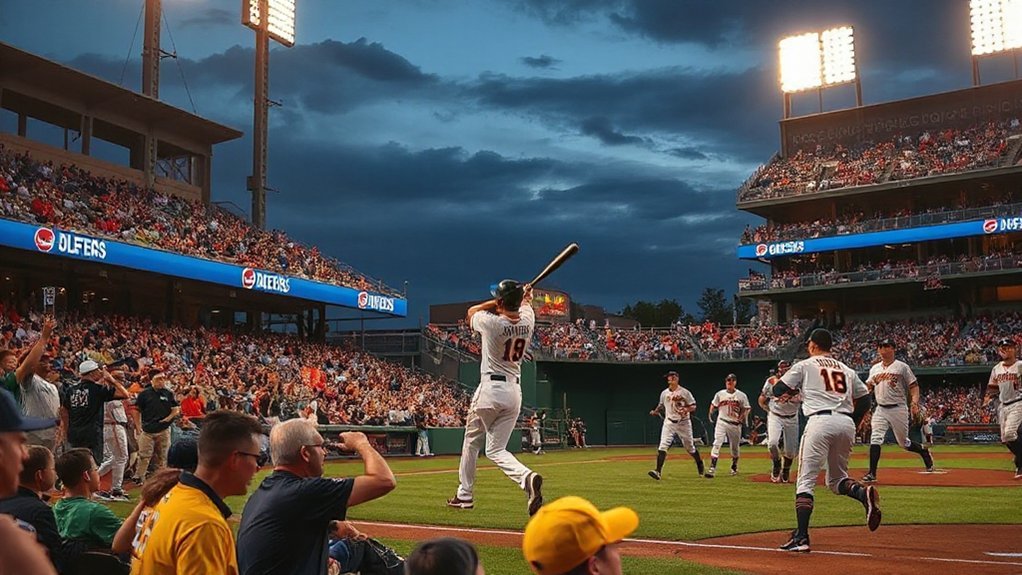
Even though rehab stints are supposed to be quiet, low-key pit stops, they light up the stadium like a surprise fireworks show—I’ve watched fans lean forward the second a familiar big-leaguer jogs out of the tunnel, ears catching every tap of cleats on warning-track dirt, eyes tracking that famous swing.
You notice rehabbing players change the vibe immediately, attendance perks up, vendors sell out faster, and broadcasters whisper like they’re sharing a juicy secret.
You get better pitching depth, a veteran bat to steady the lineup, and clubhouse leadership that perks up younger guys — major league impact in three innings or one at-bat.
It’s not magic, it’s timing, careful management, and the crowd’s collective grin. Don’t overplay them, but don’t hide them either.
Prospects Likely to Influence the Roster
If a hot prospect breaks camp with the Clippers, you’ll know it the minute he jogs in — helmets click, bats rattle, and the crowd leans in like it’s expectant at a magic trick.
You’ll watch prospect evaluations flash across dugout charts, scouts nod, and you’ll bite your lip because you love drama.
I point to the kid stealing signs with a grin, you squint, we both whisper about timing.
Player promotions hum like backstage whispers, then blast into game time.
You feel the grass under cleats, hear the pop of leather, and the announcer’s surprised tone.
I joke I’ve got a crystal ball, but really I’ve got notes, eyes, and a stubborn hope — ready to pounce.
Managerial Decisions Under Pressure
When the ninth inning arrives and the stadium hums like a pressure cooker, I’m the one squinting at the bench and feeling my pulse in my throat, because managerial choices don’t play out on paper — they happen in real time, noisy and messy.
You watch me tap my tablet, smell popcorn and sweat, and know the clock’s louder than the scoreboard. In pressure situations, my playbook shrinks, instincts talk louder, and decision making strategies matter more than stats.
- Signal a reliever, wink at the dugout, trust the arm you’d bet your hat on.
- Go small ball, bunt, or swing for the fences — pick a mood, then own it.
- Hold a runner, risk a steal, read the pitcher’s eyes.
- Call timeout, breathe, bluff with a substitution, then commit.
Fan Atmosphere at Huntington Park
Because you can feel it the minute you hit Huntington Park’s turnstiles, I’ll say this plainly: the crowd does half the playing.
You walk in, smell peanuts and beer, hear a wave of cheers, and suddenly you’re part of it. I point at the guy leading the rally cry, you clap, the kid behind you who can’t sit still mimics you, and that loop of fan engagement feeds the dugout.
The lights flash, the organ hits a goofy riff, and crowd energy swells like tidewater. You yell, the pitcher hears, the infield tightens — maybe that’s superstition, maybe it’s science, but it works.
You leave hoarse, happy, convinced Huntington Park isn’t a ballpark, it’s a battleground you helped build.
Scenarios for Securing a Playoff Spot
You’re going to watch the standings like a hawk, I’ll squint at the numbers and we’ll map out the division math together, because every win and loss shuffles the deck.
We’ll talk magic-number scenarios, I’ll point out where one clutch series can erase a deficit, and you’ll see which games are true season-deciders.
Then we’ll mark the key remaining matchups on the calendar, grab peanuts and cold beer, and treat each pitch like it could be the moment that gets us in.
Division Standings Math
So here’s the deal: I’ve been crunching the Clippers’ numbers like a caffeine-fueled accountant, and you’re about to get the play-by-play on what they actually need to lock up a playoff spot.
I’ll keep it sharp, you’ll nod, we’ll both pretend math is fun.
- Win the head-to-heads: beat key rivals, reduce reliance on a division tiebreaker, and you’ll erase messy playoff implications before they start.
- Protect run differential: every extra run matters, it smells like salt and cold leather, and it can flip tie scenarios.
- Avoid sweep losses: losing three straight costs momentum, morale, and tiebreak leverage.
- Track rival schedules: pick off soft spots, pounce when opponents travel, that’s where points live.
Magic Number Scenarios
Magic number talk is the part where the spreadsheets stop whispering and start shouting at you, and I’ll walk you through it without asleep-by-inning six.
You watch the board, you feel the buzz in the stadium air, and you track the magic number like it’s the last slice of pizza.
I’ll show you how wins subtract, rivals’ losses add, and tie-breakers sneak in like surprise rain.
Playoff scenarios get tidy when you lock combinations: clinch with X wins plus Y opponent losses, or hope for a three-way collapse that feels cinematic and unlikely.
You’ll root, curse, refresh the scorefeed, and calculate on the fly — I’m with you, loud and oddly calm.
Key Remaining Matchups
When the schedule squeezes tight and every at-bat feels like a coin flip, I want you leaning in — not nervously, but ready to pounce.
You smell the chalk, hear the crowd, and you know the remaining opponents matter more than ever. I’ll call out the matchups that make or break this stretch, explain playoff implications, and give you a simple plan.
- Series vs. division leader — win two, shift momentum; taste the upset, savor it.
- Visiting wild-card rival — split or sweep here changes math; pressure mounts.
- Road trip vs. lower seeds — treat these like finals; take care of business.
- Home stretch vs. streaking team — crowd noise, crisp defense, clutch hitting: your playoff ticket.
Conclusion
You feel the buzz at Huntington Park like static before a storm, and I’m right there with you, palms sticky from a hot dog, eyes on the scoreboard. You’ll cheer, groan, and watch young arms buckle then bounce back. We’ve got clutch hitters, shaky depth, and a magic number that won’t wait. Root loud, nitpick managers, savor the close plays — this race’s finale is ours to shape, one raucous inning at a time.